Buying a Used Japanese Import Cars: What You Need to Know
Estimated reading time: 8 minutes
Buying Japanese import cars have become increasingly popular among UK drivers. Many buyers are attracted by the unique models, high specifications and often excellent condition of vehicles originally sold in Japan. You will often see Japanese imports advertised on websites such as eBay Motors, specialist importer websites or enthusiast forums. Popular imports include the Nissan Elgrand, Toyota Alphard Hybrid, Toyota Prius, Honda Stepwgn and many others. Japanese domestic market vehicles often come with features that were not available on equivalent European models. Higher specifications, premium interiors and advanced technology make them attractive choices for buyers looking for something different. However, while Japanese imports can be fantastic vehicles, there are also several important things buyers should understand before purchasing one.
Why Japanese Import Cars Are Popular
There are several reasons why Japanese import cars are highly sought after in the UK. One important factor is that Japan drives on the left-hand side of the road, just like the United Kingdom. This means Japanese vehicles are right-hand drive and do not require steering conversion when imported. Japanese drivers are also known for maintaining their vehicles carefully. In many cases cars are serviced regularly and kept in very good condition. Another key reason is Japan’s strict vehicle inspection system known as Shaken.
Understanding the Japanese Shaken Inspection System
The Shaken inspection is a rigorous vehicle inspection similar to the MOT in the UK but often more demanding. Cars in Japan must pass this inspection every two years. As vehicles become older the inspection costs increase significantly due to higher taxes and maintenance requirements. Additional taxes also apply to vehicles older than thirteen years, including weight tax and environmental surcharges. Because of these increasing costs many Japanese owners choose to replace their cars earlier than drivers in Europe might. This means many exported vehicles are still in relatively good mechanical condition.
Popular Japanese Import Models
Many Japanese domestic market vehicles have become very popular among UK buyers. However due to shortage of 10 year old quality vehicles in UK many importers have started to import all European makes like BMW, VW, Mercedes, Audi’s too. Check vehicles history if the vehicle is registered in the UK already.
Some of the most common historical imports include:
Nissan Elgrand
Toyota Alphard Hybrid
Honda Stepwgn
Toyota Prius
Mazda Bongo Friendee
Nissan Figaro
Mazda Eunos Roadster
When buying Japanese import Cars it’s important to know what to look for and why these cars are imported. The Mazda Bongo Friendee has developed a cult following in the UK thanks to its camper van conversions and practical design. Another iconic import is the Nissan Figaro, a retro-styled convertible from the early 1990s that remains highly desirable among collectors. Many luxury Japanese vans such as the Nissan Elgrand and Toyota Alphard offer features like leather seating, electric sliding doors, powerful petrol engines and spacious interiors designed for seven or eight passengers.
Advantages of Buying a Japanese Import
Japanese import cars offer several potential benefits for buyers.
High Specification
Japanese domestic market vehicles often come with higher specification levels than their European equivalents. Features may include advanced infotainment systems, premium interior materials, electric seats, climate control systems and additional comfort options.
Low Mileage
Due to Japan’s excellent public transport system many vehicles accumulate relatively low mileage compared with similar cars in Europe.
Well Maintained Vehicles
Japanese drivers generally follow strict service schedules and keep their cars in very good condition.
Unique Models
Many models available in Japan were never officially sold in the UK or Europe. This allows buyers to access vehicles that are rare or unusual in the British market.
Potential Downsides of Japanese Import Cars
Despite their advantages, Japanese imports also come with certain challenges.
Warranty Limitations
Most UK extended warranty providers do not cover imported vehicles. This means buyers may have fewer warranty options compared with cars originally sold in the UK.
Insurance Considerations
Insurance for imported vehicles can sometimes be more complicated. Some insurers may require specialist policies depending on the model and modifications.
Infotainment Systems
Many Japanese domestic vehicles have infotainment systems designed for the Japanese market.
Common issues include:
Japanese language menus
Navigation systems that do not work in Europe
Radio frequencies incompatible with UK stations
In many cases buyers replace the original audio unit with an aftermarket system.
Speedometer Conversion
Japanese cars typically display speed in kilometres per hour. Some sellers convert the speedometer to miles per hour before selling the vehicle in the UK.
Tyre Regulations
Tyres must meet European safety standards and carry an E marking such as E4. If tyres do not have proper EU markings the vehicle may not be road legal in the UK.
Corrosion Protection
Japanese roads are generally less affected by winter salt than those in the UK or Europe. As a result some imported cars may have less factory underbody protection. Applying additional corrosion protection after import can help protect the underside from rust.
Always Check Japanese Vehicle History
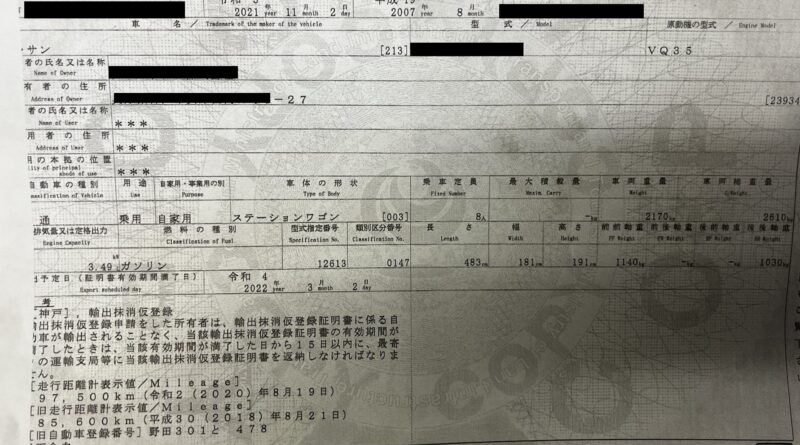
Before purchasing any imported vehicle it is important to verify its history ask seller for a copy they would always do one prior buying vehicle from Japan. Most Japanese vehicles are sold through large auction houses. These auctions provide detailed reports describing the vehicle’s condition.
Important documents to request include:
Auction sheet or auction report
Export certificate
Previous mileage records
Shipping documentation
The export certificate often includes recorded mileage readings from the final inspections carried out in Japan. Comparing these figures with the vehicle’s current odometer reading can help verify whether the mileage is accurate and minimise to avoid mileage clocking.
Japanese Auction Grades Explained
Auction vehicles are typically graded according to condition.
For example:
Grade 5 – Excellent condition
Grade 4 – Very good condition (do not consider anything less than grade 4)
Grade 3.5 – Average condition with minor wear
Grade 3 or lower – Significant wear or damage
Understanding these grades helps buyers evaluate the vehicle before purchase. However, auction grades are not always perfect and professional inspections remain important.
Consider a Professional Inspection
Even if a vehicle appears clean and well maintained, hidden issues may still exist. A professional vehicle inspection can identify problems such as:
Accident repairs
Diagnostic faults
Engine wear
Transmission issues
Suspension damage
Independent inspections provide an objective evaluation of the vehicle before you commit to buying.
Finding a Reputable Importer
If you are not importing the vehicle yourself, choosing a reputable dealer is extremely important. Look for companies that specialise in Japanese imports and have experience with specific models. Online communities and enthusiast groups can also be helpful sources of information. Many popular import models have dedicated forums or social media groups where owners share advice and experiences.
Registration Requirements and Process in the UK
Japanese cars imported to the UK under 10 years old must pass an Individual Vehicle Approval (IVA) test, be carefull of buying Japanes import car as these cars do not require IVA test in the uk and car traders can get away with various requirements. IVA test is anaged by the DVSA (formerly VOSA), to ensure they meet British safety and environmental standards.
Key requirements include – converting the speedometer to MPH, adding a rear fog light, and adjusting headlights.
Key Aspects of the Japanese Import IVA Test
- Purpose: Ensures vehicles, especially those under 10 years old, are safe for UK roads.
- Test Components: Includes checks on headlights (beam pattern), speedometer (must be in MPH), rear fog light installation, and emissions.
- Modifications: Often required to comply with, for instance, lighting regulations.
- Age Exemption: Vehicles over 10 years old do not require an IVA test, only a standard MOT.
- Process: Involves submitting a V55/5 form, obtaining a NOVA declaration, and booking an inspection, which can be done at a Vehicle and Operator Services Agency (VOSA) site.
Common Failure Points
- Lights: Incorrect headlight aim, lack of rear fog light, or improper markings.
- Speedometer: Displaying only in kilometers per hour (km/h).
- Emissions: Highly modified vehicles may fail emission tests.
Important Notes
Costs: The IVA test fee is £199, with potential modification costs exceeding £400. Shaken System: Japan has its own strict, bi-annual inspection system called ‘Shaken’. Documentation: Ensure all necessary documents are prepared for the DVLA application.
Final Thoughts
Japanese import cars offer an exciting alternative to traditional European vehicles. Their high specifications, unique models and often excellent condition make them attractive options for many buyers. However, purchasing an imported vehicle requires careful research. Checking the vehicle history, reviewing auction documentation and arranging a professional inspection are essential steps. By taking the time to verify these details you can significantly reduce the risks and enjoy the benefits of owning a Japanese import vehicle.
FAQs
Are Japanese import cars reliable?
Many Japanese import cars are known for reliability because they are often well maintained and exported while still in good condition.
Do Japanese cars work in the UK?
Yes. Japanese vehicles are right-hand drive and compatible with UK roads, although some features such as radio frequencies or navigation systems may need modification.
What is a Japanese auction sheet?
An auction sheet is a report created by Japanese vehicle auction houses that describes the vehicle’s condition, mileage and any damage before the sale.
Are Japanese imports difficult to insure?
Insurance may require specialist providers depending on the model, but many insurers in the UK offer policies for imported vehicles.
Should I inspect a Japanese import before buying?
Yes. A professional inspection can identify accident repairs, mechanical faults and other hidden issues before you purchase the vehicle.