Wheel Bearing Replacement Cost Explained: Symptoms and Maintenance
Estimated reading time: 5 minutes
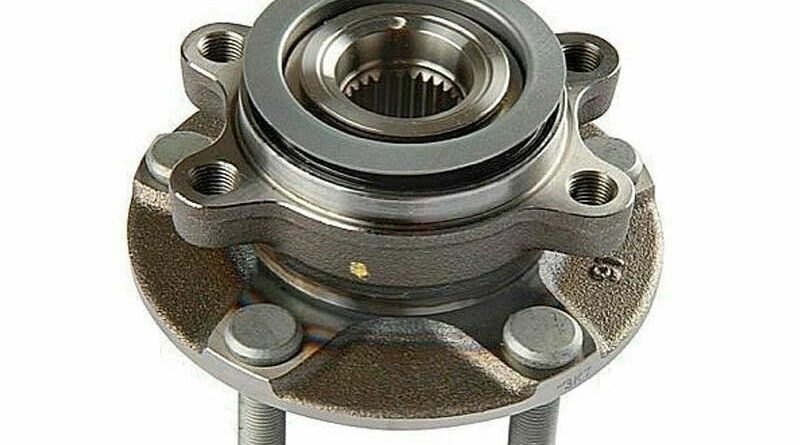
Wheel bearings are small but critical components within your vehicle’s suspension and wheel assembly. Their job is to allow the wheels to rotate smoothly while supporting the weight of the vehicle. Without properly functioning wheel bearings, driving would become noisy, unstable, and ultimately unsafe. They sit inside the wheel hub and reduce friction between moving parts. Over time, they wear out due to constant use, exposure to water, dirt, and road debris. When they begin to fail, the effects can quickly become noticeable.
Common Signs of a Failing Wheel Bearing
Recognising early symptoms can save you significant repair costs and prevent dangerous situations.
• A constant humming or grinding noise that increases with speed
• Noise that changes when turning left or right
• Steering instability or looseness
• Vibration felt through the steering wheel
• Uneven tyre wear in some cases
• ABS warning light in modern vehicles
Noise is usually the first and most obvious sign. It often starts quietly and becomes louder over time.
What Causes Wheel Bearings to Fail
Wheel bearings are designed to last for many years, but several factors can shorten their lifespan.
• High mileage and normal wear over time
• Driving through water or flooded roads
• Poor road conditions such as potholes
• Improper installation or low-quality parts
• Lack of lubrication or contamination
Once contamination enters the bearing, internal damage accelerates rapidly.
Factors That Influence Wheel Bearing Replacement Cost
The cost of replacing a wheel bearing varies depending on several key elements.
Vehicle Make and Model
The type of vehicle has a significant impact on cost.
• Small cars usually have lower replacement costs
• SUVs and larger vehicles require more robust bearings
• Luxury and performance vehicles often use specialised components
Premium vehicles can significantly increase both parts and labour costs.
Type of Wheel Bearing
Different bearing designs affect pricing.
• Ball bearings are common and generally affordable
• Roller bearings offer higher load capacity
• Tapered bearings are often used in heavy-duty applications
Modern vehicles frequently use sealed hub assemblies, which include the bearing and hub as a single unit.
Quality of Parts
The choice between OEM and aftermarket parts also affects cost.
• OEM parts provide exact fit and long-term reliability
• Aftermarket parts are cheaper but vary in quality
Choosing high-quality parts is important for safety and durability.
Labour Costs
Labour is often the largest portion of the total cost.
• Simple replacements may take one to two hours
• Complex jobs involving hub assemblies or seized components take longer
• Labour rates vary between independent garages and main dealers
In some vehicles, removing the bearing requires dismantling additional suspension components.
Additional Components
Wheel bearing replacement may involve extra parts.
• Wheel hubs
• Seals and retaining clips
• Axle nuts
• ABS sensors in some cases
These additional items can increase the final bill.
Average Wheel Bearing Replacement Cost in the UK
Here is a realistic breakdown of UK pricing.
Standard Vehicles
• £100 to £300 per wheel
Mid Range Vehicles
• £200 to £500 per wheel
Premium and Performance Vehicles
• £300 to £700 or more per wheel
The larger and more complex the vehicle, the higher the cost.
Why Timely Replacement Is Critical
Ignoring a worn wheel bearing can lead to serious consequences.
• Increased risk of wheel failure
• Reduced steering control
• Damage to tyres and suspension components
• Potential safety hazard at high speeds
In extreme cases, a failed bearing can cause the wheel to detach from the vehicle.
Replacing a worn bearing early is far cheaper than dealing with additional damage later.
How Wheel Bearings Affect Driving Safety
Wheel bearings play a direct role in vehicle stability and handling. A failing bearing can make the car feel unpredictable, especially during cornering or braking.
Even slight play in the bearing can affect wheel alignment and braking efficiency. This makes early diagnosis essential.
The Role of Vehicle Inspection
Many wheel bearing issues are not immediately obvious during a quick test drive. Noise can sometimes be mistaken for tyre or road noise.
This is why a professional inspection is important, especially when buying a used car. A service such as Carexamer can identify early bearing wear, suspension issues, and hidden faults before they become expensive problems.
A detailed inspection helps ensure that you are not buying a vehicle with underlying mechanical issues.
Can You Drive with a Bad Wheel Bearing
Technically, yes, but it is not advisable.
Driving with a faulty bearing increases wear on surrounding components and raises the risk of sudden failure. The longer it is ignored, the more damage it can cause.
If you notice symptoms, it is best to have the vehicle checked immediately.
How to Extend Wheel Bearing Life
There are simple ways to reduce wear and extend the life of your wheel bearings.
• Avoid driving through deep water or flooded roads
• Slow down over potholes and rough surfaces
• Ensure proper installation when replacing bearings
• Use high-quality replacement parts
• Have your vehicle inspected regularly
Preventative care reduces the likelihood of unexpected failures.
Final Thoughts
Understanding wheel bearing replacement costs helps you plan for maintenance and avoid unexpected expenses. While prices vary depending on vehicle type, parts, and labour, early detection is the key to keeping costs manageable.
Wheel bearings are essential for safe driving, and ignoring warning signs can lead to serious consequences. Whether you are maintaining your current vehicle or considering a used car purchase, combining routine checks with a professional car inspection is the best way to protect your investment and ensure long-term reliability.
FAQs
1. How much does a wheel bearing replacement cost in the UK?
It typically ranges from £100 to £700 per wheel, depending on the vehicle and parts used.
2. What noise does a bad wheel bearing make?
A worn bearing usually produces a humming, grinding, or rumbling noise that increases with speed.
3. Can I drive with a faulty wheel bearing?
It is not recommended, as it can lead to further damage and safety risks.
4. How long do wheel bearings last?
Most wheel bearings last between 70,000 and 150,000 miles, depending on driving conditions.
5. Does a wheel bearing affect steering?
Yes, a worn bearing can cause steering instability and vibrations.