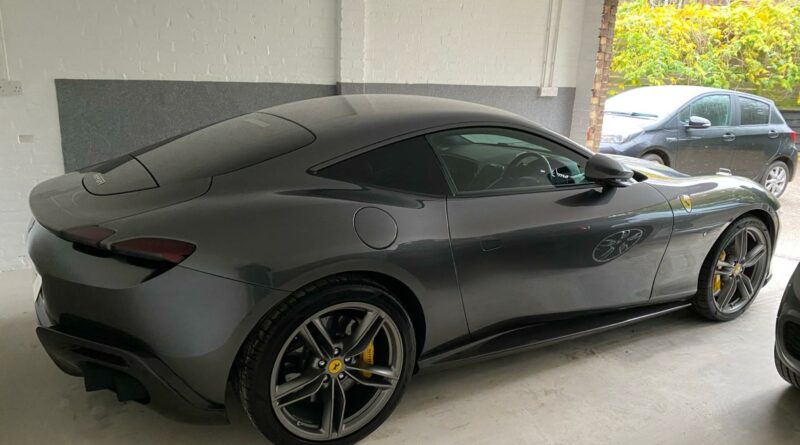
Ferrari Roma Service Schedule Explained: Maintenance Guide for Long Term Performance
Estimated reading time: 5 minutes
Owning a Ferrari Roma is not just about performance and luxury, it is about preserving engineering excellence. The Roma combines cutting-edge technology with a powerful V8 engine, and maintaining this level of performance requires strict adherence to a structured service schedule. Unlike standard vehicles, high-performance cars like the Ferrari Roma operate under greater stress, higher temperatures, and tighter tolerances. Skipping or delaying maintenance can lead to costly repairs and reduced performance over time.
Ferrari 7 Year Genuine Maintenance Programme
One of the key advantages of owning a modern Ferrari is the official 7-year Genuine Maintenance Programme. This programme is included with all Ferrari models produced from 2015 onwards.
It covers scheduled servicing for the first seven years, regardless of mileage. This includes labour, original parts, engine oil, and filters.
This programme ensures that the vehicle is maintained according to factory standards, helping preserve both performance and resale value.
Ferrari Roma Service Intervals Overview
Ferrari recommends servicing the Roma every 20,000 km or 12,000 miles, or every two years, whichever comes first.
However, certain components require attention at different intervals based on wear, usage, and environmental conditions.
Every 2 Years Maintenance Tasks
At the two-year mark, essential fluid maintenance is carried out.
Brake fluid replacement is critical as it absorbs moisture over time, reducing braking efficiency. Regular replacement ensures consistent braking performance and safety.
Every 20,000 km or 12,000 Miles Service Tasks
This is the core service interval where most routine maintenance takes place.
Key inspections and replacements include:
Engine oil and oil filter replacement
Engine oil level check
Gearbox oil level inspection
Clutch oil level inspection
Inspection for gearbox leaks
Cooling system level and hose inspection
Brake fluid level and line inspection
Condition of exhaust system
Inspection of engine ancillary belts
Check and reset service indicators
Inspection of suspension components
Verification of engine and gearbox mountings
Check of electric parking brake system
Inspection of seals and fluid tightness in engine bay
Check of hoses and lines subject to wear
Tyre pressure and wheel bolt torque check
Air conditioning system check
Replacement of cabin pollen filter
Lubrication of moving controls and mechanisms
Full lighting system test
Windscreen washer fluid check
Road test to confirm vehicle performance
Brake pads and discs are inspected and replaced if required based on wear.
Every 40,000 km or 24,000 Miles Service Tasks
At this interval, additional air intake components are addressed.
Air filter replacement is carried out to ensure optimal airflow into the engine. Clean filters improve engine efficiency, fuel combustion, and performance.
Every 60,000 km or 36,000 Miles Service Tasks
Spark plug replacement is required at this stage.
Spark plugs play a crucial role in engine combustion. Worn plugs can lead to misfires, reduced power, and increased fuel consumption.
Every 80,000 km or 48,000 Miles Service Tasks
Engine ancillary belts are replaced.
These belts drive essential systems such as the alternator and cooling components. Failure of these belts can result in serious engine damage.
At 100,000 km or 60,000 Miles
Gearbox and differential oil replacement is carried out.
Fresh oil ensures smooth gear changes and protects internal components from wear.
Every 15 Years
Safety-critical components such as seat belts and pre-tensioners are inspected thoroughly.
Even if they appear functional, long-term ageing can reduce their effectiveness in an accident.
Additional Maintenance Considerations
Ferrari advises that vehicles used in demanding conditions may require more frequent servicing.
Examples include:
Frequent short journeys in heavy traffic
Driving in extreme temperatures
Use in dusty or sandy environments
High-performance or track driving
These conditions accelerate wear and may require earlier inspections or replacements.
Real World Ferrari Roma Maintenance Costs
While the 7-year maintenance programme covers scheduled servicing, additional costs can still arise.
Items such as tyres, brake pads, discs, and unexpected repairs are not included. High-performance braking systems, in particular, can be expensive to replace.
Insurance, servicing beyond seven years, and specialist repairs should also be factored into long-term ownership costs.
Why a Vehicle Inspection Still Matters
Even with a full Ferrari service history, a professional inspection remains essential, especially when buying used.
A service record confirms maintenance has been carried out, but it does not always reveal underlying issues, wear levels, or previous damage.
Using a professional inspection service such as Carexamer ensures a thorough evaluation of the car’s condition. This includes mechanical checks, diagnostics, and verification of components that may not be visible during routine servicing.
Common Ferrari Roma Wear Points
Despite its engineering quality, certain areas should be monitored closely.
Brake components wear quickly due to performance demands
Tyres degrade faster due to high torque output
Battery health can decline if the car is not driven regularly
Cooling system components must be monitored for leaks or degradation
Regular checks help prevent minor issues from becoming major repairs.
Tips to Maintain Ferrari Roma Performance
Stick strictly to the service schedule and do not delay maintenance
Drive the car regularly to maintain battery and mechanical health
Use only approved Ferrari parts and fluids
Keep detailed service records for resale value
Arrange car inspection before buying or selling
Final Thoughts
The Ferrari Roma service schedule is designed to preserve performance, safety, and long-term value. By following the recommended intervals and using authorised service centres, owners can ensure their vehicle remains in peak condition.
While the 7-year maintenance programme offers significant value, responsible ownership still requires attention to wear items and proactive care.
Whether you are maintaining your current Ferrari or considering purchasing one, combining proper servicing with a professional inspection is the best way to protect your investment and enjoy the full Ferrari experience.
FAQs
1. How often should a Ferrari Roma be serviced?
The Ferrari Roma should be serviced every 12,000 miles or 2 years, whichever comes first.
2. What is included in Ferrari’s 7 year maintenance programme?
It includes scheduled servicing, labour, genuine parts, oil, and filters for the first seven years.
3. Are brake pads included in Ferrari servicing?
Brake pads are inspected but only replaced if worn, and replacement costs are usually not included in the maintenance programme.
4. Is Ferrari servicing expensive after 7 years?
Yes, servicing costs can increase significantly once the free maintenance period ends.
5. Should I inspect a used Ferrari Roma before buying?
Yes, a professional inspection is highly recommended to identify hidden issues beyond service history.