How to Read and Understand a Car Purchase Agreement
Estimated reading time: 7 minutes
When buying a car, whether new or used, one of the most important steps is understanding the contract you are about to sign. A car purchase agreement is a legally binding document that sets out the terms and conditions of the sale between you and the seller. Many buyers focus on the vehicle itself and overlook the paperwork. However, the agreement you sign can have long term financial and legal consequences. Misunderstanding even a small detail could lead to unexpected costs or disputes later. This guide explains how to read and understand a car purchase agreement in clear, practical terms so you know exactly what you are agreeing to before signing.
What Is a Car Purchase Agreement
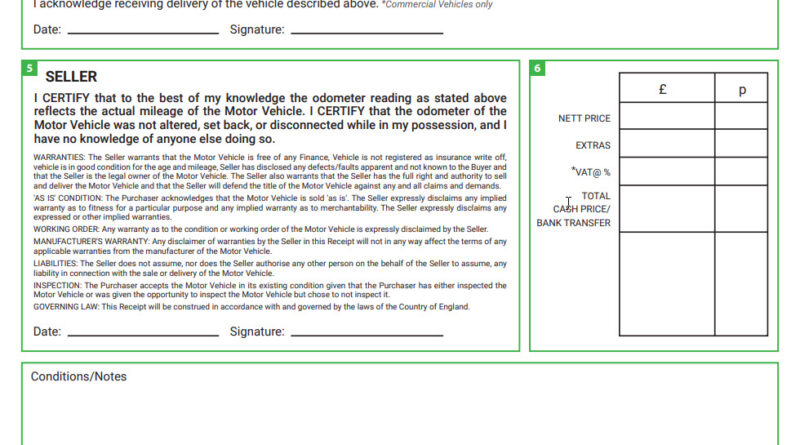
A car purchase agreement is a formal contract between a buyer and a seller that outlines all aspects of a vehicle sale. It includes details about the vehicle, the agreed price, payment terms, warranties and the responsibilities of both parties. In the UK, this agreement may be presented as a sales invoice, order form or finance agreement depending on how the car is being purchased. Regardless of the format, once signed, the document becomes legally binding. This means both the buyer and the seller are expected to follow the terms outlined in the agreement. Understanding what is included in this document is essential to protect yourself as a buyer.
Buyer and Seller Information
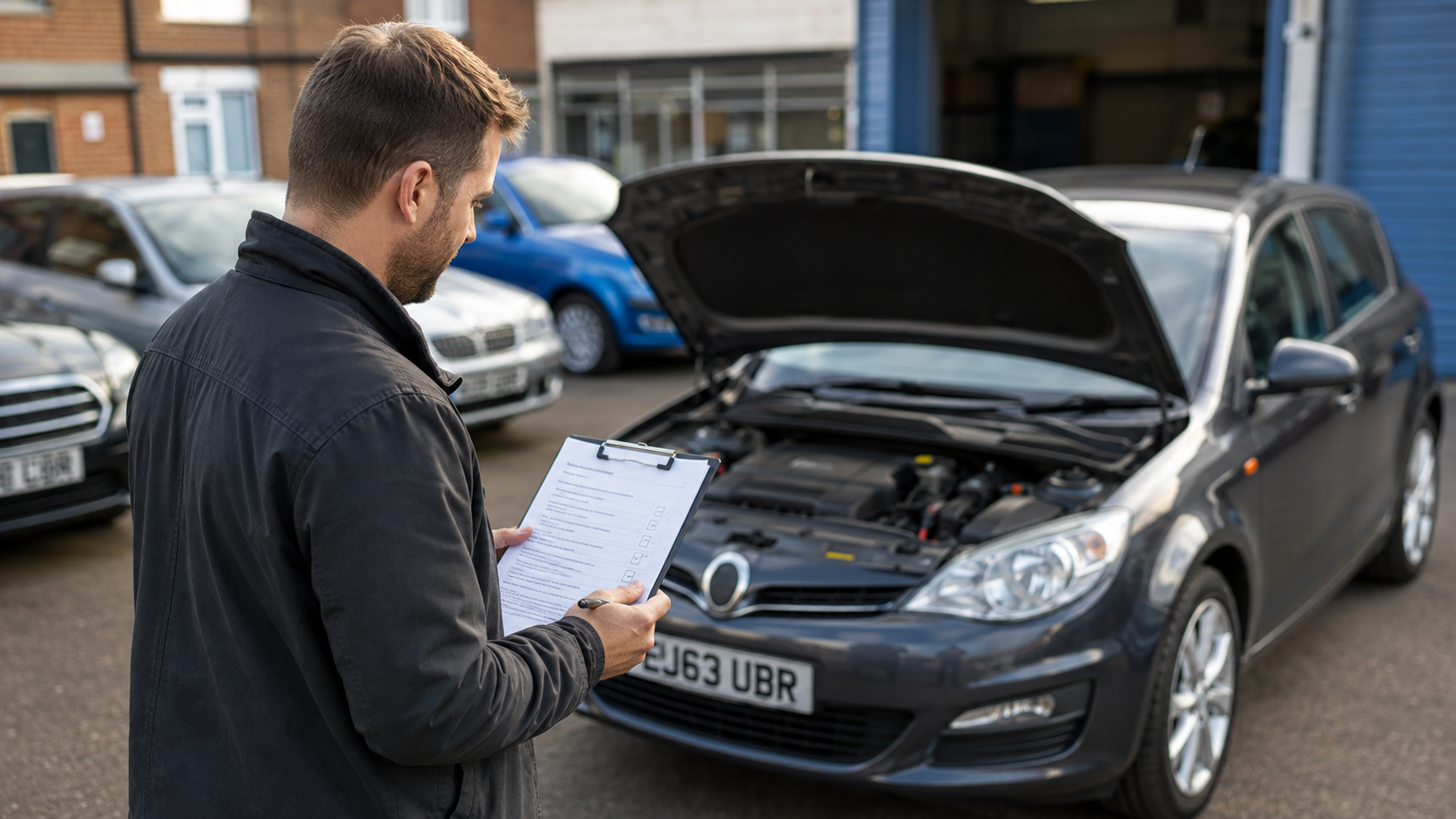
The first section of a car purchase agreement identifies the parties involved in the transaction. This will include your name and address as the buyer, as well as the seller’s details. If you are buying from a dealership, this will include the business name, registered address and contact information. If you are buying from a private seller, their personal details should also be clearly listed. Always check that this information is accurate. Any errors in names or addresses could cause complications later, particularly if disputes arise or legal action becomes necessary. Before signing any agreement buyer should exercise they right to inspect the used goods, always carry out pre purchase inspection and carry out vehicle history check.
Vehicle Details and Description
The agreement must clearly describe the vehicle being sold. This typically includes the make, model, year, registration number, vehicle identification number (VIN) and current mileage. This section is crucial because it confirms exactly what you are buying. Make sure the details match the actual vehicle. Check the registration number, VIN and mileage against the car itself and any supporting documents. If the agreement mentions any existing damage or previous repairs, read this carefully. This information may affect your ability to make a claim later if issues arise.
Purchase Price and Fees
The agreement will state the agreed purchase price of the vehicle. It should also include a breakdown of any additional costs such as administration fees, delivery charges, optional extras or warranty upgrades. Make sure you understand the total price you are paying, not just the advertised price of the car. In some cases, additional costs may be added during the purchasing process. Always review the final figure before signing. If anything is unclear, ask the seller to explain it in writing.
Payment Terms and Finance Agreements
The payment section outlines how you will pay for the vehicle. If you are paying in full, this section will confirm the total amount due and the payment method. If you are using finance, the agreement will include additional details such as the deposit amount, monthly payments, interest rate and total cost of credit. In the UK, finance agreements are regulated and must clearly show the Annual Percentage Rate (APR), total payable amount and payment schedule. Take time to review these figures carefully. The monthly payment may appear affordable, but the total cost over time can be significantly higher due to interest. Make sure you understand exactly how much you will pay over the full term of the agreement.
Warranty and Consumer Rights
The warranty section explains whether the vehicle comes with any form of guarantee. This may include a dealer warranty, manufacturer warranty or third party warranty. The agreement should clearly state what is covered, how long the warranty lasts and any exclusions. It is important to understand that a warranty is separate from your legal rights. In the UK, consumers are protected by the Consumer Rights Act 2015 when buying from a dealer. This means the car must be of satisfactory quality, fit for purpose and as described. If the vehicle does not meet these standards, you may have the right to repair, replacement or refund depending on the circumstances. Do not rely solely on the warranty. Make sure you understand your statutory rights as well.
Additional Terms and Conditions
Most car purchase agreements include a section covering additional terms and conditions. This may include details about delivery, cancellation rights, returns policy and responsibilities for taxes or registration. For example, the agreement may state when ownership of the vehicle transfers from the seller to the buyer. It may also specify who is responsible for road tax, insurance and registration. Read this section carefully, as it often contains important legal information that is easy to overlook.
Common Clauses to Watch Out For
There are several clauses that buyers should pay particular attention to. One common clause relates to deposits. Some agreements state that deposits are non refundable, even if you decide not to proceed with the purchase. Another important clause relates to vehicle condition. Some contracts may include wording that limits the seller’s responsibility for faults, especially in private sales. If you are buying from a dealer, they cannot exclude your statutory rights, but the wording may still be confusing. Always read the small print and ask for clarification if needed.
Why a Written Agreement Matters
A written car purchase agreement protects both the buyer and the seller. It provides a clear record of what was agreed, including price, vehicle details and any promises made during the sale. If a dispute arises later, the agreement can be used as evidence to support your position. For example, if the seller claimed the car had full service history but this was not accurate, the agreement may help demonstrate what was represented at the time of sale. This is why it is important to ensure that all key details are included in writing. Verbal agreements are much harder to prove.
Should You Get Legal Advice
For most standard car purchases, legal advice is not necessary. However, if you are dealing with a high value vehicle, complex finance agreement or unusual contract terms, it may be worth seeking advice before signing. Even a brief review by a professional can help identify potential risks.
Final Thoughts
A car purchase agreement is one of the most important documents you will encounter when buying a vehicle. It defines your rights, your obligations and the terms of the sale. Taking the time to read and understand the agreement fully can help you avoid costly mistakes and protect yourself from potential disputes. Always check the details carefully, ask questions where needed and never feel pressured into signing something you do not fully understand. With the right approach, you can complete your purchase with confidence and peace of mind.
FAQs
What is a car purchase agreement
A car purchase agreement is a legally binding contract that outlines the terms of a vehicle sale between a buyer and a seller.
What should be included in a car purchase agreement
It should include buyer and seller details, vehicle information, purchase price, payment terms, warranty details and additional conditions.
Is a car purchase agreement legally binding
Yes. Once signed, it becomes a legally binding document that both parties must follow.
What should I check before signing a car purchase agreement
You should check the vehicle details, total price, payment terms, warranty information and any additional conditions or clauses.
Can I cancel a car purchase agreement after signing
This depends on the terms of the agreement and whether consumer protection laws apply, particularly if the purchase was made online or at a distance.