What Is Car Service History and Why It Matters When Buying a Used Car
Estimated reading time: 7 minutes
When purchasing a used car, it is important to know exactly what you are buying. Most buyers focus on the vehicle’s appearance, mileage and price, but one of the most important factors is often overlooked: the vehicle’s service history. A vehicle’s service history tells the story of how the car has been maintained throughout its life. It provides valuable insight into the care the car has received and whether it has been properly looked after by previous owners. Just as you would never buy a used car without test driving it, you should never ignore its service history. Understanding this information can help you avoid buying a poorly maintained vehicle that may require expensive repairs later. In this guide, we explain what vehicle service history is, why it matters and how to read service records properly before purchasing a used car.
What Is Car Service History
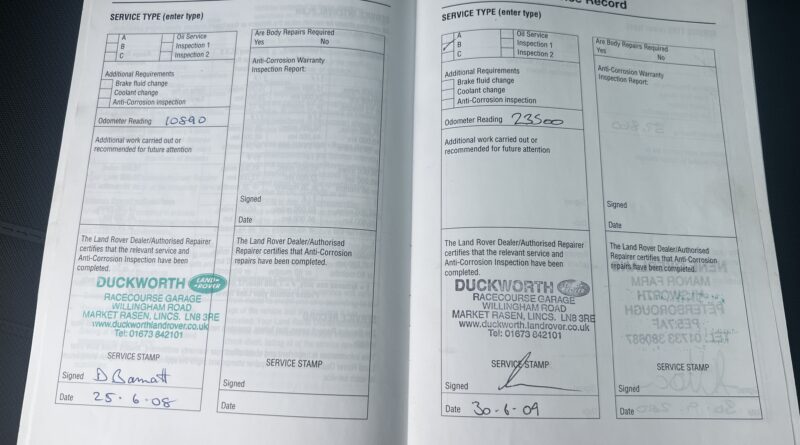
Vehicle service history is a documented record of all maintenance and repair work carried out on a vehicle during its lifetime. This information is usually recorded in a service book, sometimes called a service booklet, which is supplied with the vehicle when it is new. Each time the car is serviced, the technician or dealership records the date, mileage and details of the work performed. Service history can also include invoices, digital service records and dealership maintenance records stored by the vehicle manufacturer. Typical items recorded in a vehicle’s service history may include oil changes, brake replacements, timing belt replacements, tyre changes, filter replacements and other routine maintenance tasks. If the vehicle has experienced faults or repairs, these may also appear in the service records.
Why Vehicle Service History Is Important
Service history is one of the best indicators of how well a vehicle has been cared for. Cars that receive regular maintenance are more likely to remain reliable and safe over time. Routine servicing helps prevent mechanical problems before they become serious issues. For example, regular oil changes help protect the engine by ensuring that internal components remain lubricated and free from excessive wear. Brake servicing ensures the braking system functions correctly and safely. Cooling system checks prevent overheating and potential engine damage. Without proper maintenance, these systems can deteriorate over time, leading to costly repairs. For buyers, reviewing the service history helps confirm that the vehicle has been maintained according to the manufacturer’s recommended schedule. This can significantly reduce the risk of unexpected mechanical problems after purchase.
Full Service History vs Partial Service History
When buying a used car, you may hear sellers mention several types of service history. The most desirable type is Full Service History, often abbreviated as FSH. A full service history means the vehicle has been serviced regularly throughout its life according to the manufacturer’s recommended intervals. Each service is recorded and documented. This usually indicates that the car has been carefully maintained. Some vehicles may have partial service history, meaning some services were recorded but others may be missing. This does not automatically mean the car was poorly maintained, but it may raise questions about whether certain services were skipped or simply not documented. Cars with no service history carry a much higher level of risk because there is no evidence of proper maintenance. For many buyers, purchasing a car without any service history should be approached very carefully.
What Should Be Included in a Service Record
A typical service record should include several important pieces of information. Each service entry should normally contain the service date, vehicle mileage at the time of service, details of the maintenance carried out and the name or stamp of the workshop or dealership that performed the work. Many service books also include official stamps from authorised dealers or recognised specialists. These stamps provide additional reassurance that the work was carried out by trained professionals using the correct parts and procedures. In modern vehicles, service records may also be stored digitally by the manufacturer. Some brands now use electronic service histories instead of traditional paper booklets. In these cases, dealerships can access the records through manufacturer databases.
Why Manufacturer or Specialist Servicing Matters
When reviewing service history, it is also important to consider where the work was carried out. Vehicles serviced by authorised dealers or recognised brand specialists are often considered more desirable because these technicians have specific training and access to manufacturer approved parts. Full dealer service history is often seen as a positive selling point because it demonstrates that the vehicle was maintained according to manufacturer standards. However, independent specialist garages can also provide high quality servicing if they are experienced with the particular brand or model. What matters most is that the servicing was completed correctly and at the proper intervals.
Warning Signs in Service History
While service history is usually a positive indicator, it can sometimes reveal warning signs. For example, large gaps between services may indicate that the car was not maintained regularly. If the vehicle travelled a long distance without servicing, this may increase the risk of mechanical wear. Frequent repairs appearing in the history may also suggest ongoing problems with the vehicle. For example, repeated electrical repairs or suspension work may indicate underlying faults. Pay attention to the dates and mileage listed in the service records. These should progress logically over time. If the records appear inconsistent or suspicious, it may be worth investigating further.
Service History and Vehicle Value
Service history can also have a significant impact on a vehicle’s resale value. Cars with full service history often sell faster and command higher prices because buyers feel more confident about their condition. In contrast, vehicles without service records are often harder to sell and may need to be discounted. For this reason, maintaining proper service documentation is important not only for reliability but also for preserving the car’s value.
Should You Avoid Cars Without Service History
A vehicle without service history is not necessarily a bad car, but it does present a higher level of risk. Without records, it is impossible to confirm whether important maintenance tasks were completed. For example, timing belt replacements are critical on many vehicles. If this service is missed, engine damage can occur. If you are considering a car with missing service history, it is strongly recommended to arrange a professional inspection. An inspection can help determine the vehicle’s current mechanical condition and identify potential problems that may not be visible.
Final Thoughts
Vehicle service history is one of the most valuable tools available when evaluating a used car. These records provide insight into how the car has been maintained, what repairs have been performed and whether important maintenance tasks were completed. Understanding service history allows buyers to make informed decisions and avoid unexpected mechanical issues. Whether you are buying from a dealer or a private seller, always take the time to review the service history carefully. If the records are incomplete or missing, consider arranging a professional vehicle inspection before completing the purchase. With proper research and attention to detail, service history can help you find a reliable vehicle that will serve you well for many years.
FAQs
What is vehicle service history?
Vehicle service history is a record of all maintenance and repair work carried out on a vehicle during its lifetime, including oil changes, brake servicing and other scheduled maintenance.
Why is service history important when buying a used car?
Service history shows how well the car has been maintained and can help identify whether the vehicle has been regularly serviced according to manufacturer recommendations.
What does full service history mean?
Full service history means the vehicle has been serviced regularly throughout its life with documented records of each service.
Is it risky to buy a car without service history?
Yes. A car without service history carries more risk because there is no evidence that essential maintenance has been completed.
Can service history affect a car’s value?
Yes. Vehicles with full service history usually have higher resale value and are more attractive to buyers.