What Should Your Used Car Budget Be? A Complete Guide to Buying Within Your Means
Buying a used car is often one of the most sensible financial decisions many drivers can make. Compared with purchasing a brand new vehicle, used cars allow buyers to save money, avoid steep depreciation and access a much wider range of models within their budget. However, before you start browsing listings or visiting dealerships, it is important to answer one key question: what should your used car budget actually be? Setting a realistic budget is one of the most important parts of the car buying process. Without proper planning, buyers may end up spending more than they can comfortably afford, especially once running costs are included. This guide explains how to determine a sensible used car budget, what additional costs you should consider and how to avoid common financial mistakes when purchasing a used vehicle.
A Brief Look at the History of the Automobile
To understand why cars are such a significant investment today, it is interesting to look briefly at how the automobile developed. Early vehicle experimentation began as far back as the seventeenth century. One of the earliest examples of self powered transport was created in 1769 by French inventor Nicolas Joseph Cugnot, who built a steam powered vehicle designed for military transport. During the early nineteenth century, engineers continued developing new technologies. The de Rivas engine became one of the earliest internal combustion engines, while early electric motors were also being tested. Samuel Brown later demonstrated one of the first industrial internal combustion engines in 1826. The true birth of the modern automobile is generally credited to Karl Benz, who patented the first practical automobile on 29 January 1886. His invention laid the foundation for the vehicles we use today. Since then, cars have become one of the most important forms of personal transport worldwide.
Why Used Cars Are a Popular Choice
For most buyers, purchasing a used car offers several clear advantages. The most obvious benefit is affordability. Used cars are usually significantly cheaper than brand new vehicles because they have already gone through the steepest part of their depreciation. New cars can lose around 20 to 30 percent of their value in the first year alone. Within three years, many vehicles may lose more than half of their original price. By purchasing a used car instead, buyers allow the first owner to absorb that depreciation. This means you may be able to afford a better specification, a higher trim level or even a more premium brand within the same budget. Used cars also provide a much wider variety of options. Instead of being limited to the latest models available from manufacturers, buyers can choose from several years of production across many different models. This flexibility allows buyers to focus on vehicles that suit their needs rather than simply choosing what is currently being produced.
How Much Should You Spend on a Used Car
The most common financial guideline for car buyers is the 20 percent rule. This suggests that you should avoid spending more than around 20 percent of your annual income on a vehicle purchase.
For example:
If you earn £30,000 per year, a used car budget around £6,000 may be considered sensible.
If you earn £40,000 per year, a budget closer to £8,000 may be comfortable.
However, this rule is only a rough guideline. The right budget will depend on several personal factors, including your savings, financial commitments and lifestyle needs. Some buyers may choose to spend more if they drive long distances every day or rely heavily on their vehicle for work. Others may prefer to spend less and prioritise lower running costs. The important thing is ensuring that the total cost of ownership remains manageable.
Understanding the True Cost of Car Ownership
One of the most common mistakes buyers make is focusing only on the purchase price of the vehicle. In reality, owning a car involves several ongoing costs that must be included in your budget. These include insurance, fuel, servicing, tyres, MOT tests, road tax and potential repairs. Insurance costs can vary significantly depending on your age, driving experience and the type of vehicle you choose. Fuel costs will depend on engine size, fuel type and how often you drive. Servicing and maintenance are also important considerations. Even reliable vehicles require regular oil changes, brake replacements and occasional repairs. Some cars are significantly more expensive to maintain than others. Luxury vehicles and high performance cars often require specialised parts and specialist technicians, which can increase servicing costs considerably.
Why Reliability Should Influence Your Budget
When planning a used car budget, reliability should play a major role in your decision. Choosing a cheaper car that frequently breaks down may end up costing more in repairs than a slightly more expensive but reliable model. Researching reliability ratings and owner reviews can help buyers identify models with strong long term reliability. Vehicles known for durability may provide better value even if the initial purchase price is slightly higher. Common examples often recommended for reliability include certain Toyota, Honda and Mazda models, although many other brands also produce dependable vehicles.
Why Inspections Are Essential for Used Car Buyers
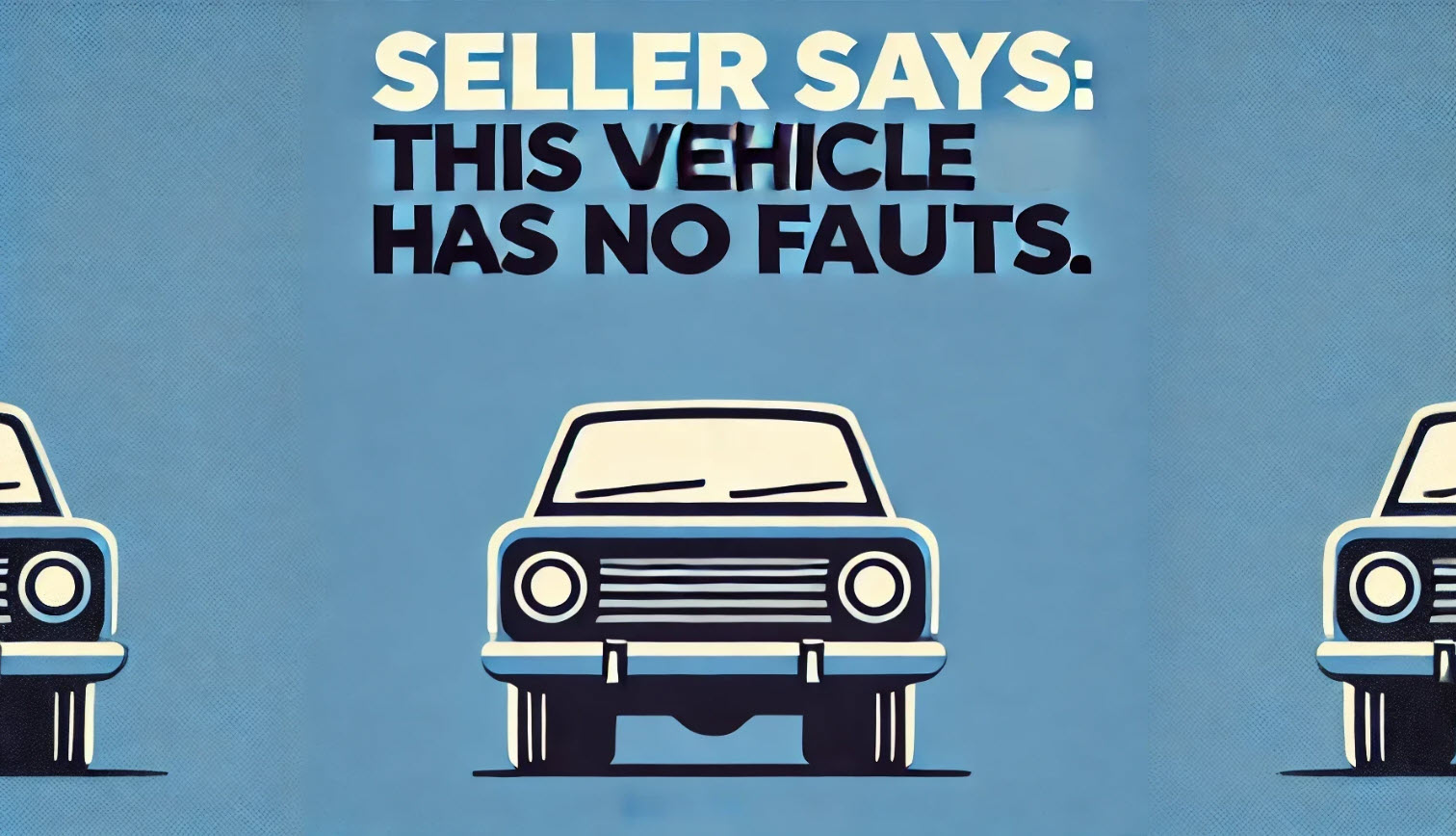
No matter how carefully you set your budget, buying a used car always involves some level of uncertainty. A vehicle may appear clean and well maintained but still have hidden mechanical issues. This is why professional vehicle inspections are strongly recommended when purchasing a used vehicle. An independent inspection can check hundreds of components including suspension, brakes, engine condition and electronic systems. Inspectors may also identify accident damage, worn components or warning signs that could lead to expensive repairs. For many buyers, the cost of an inspection is small compared with the potential cost of unexpected mechanical problems.
Buying from Dealers vs Private Sellers
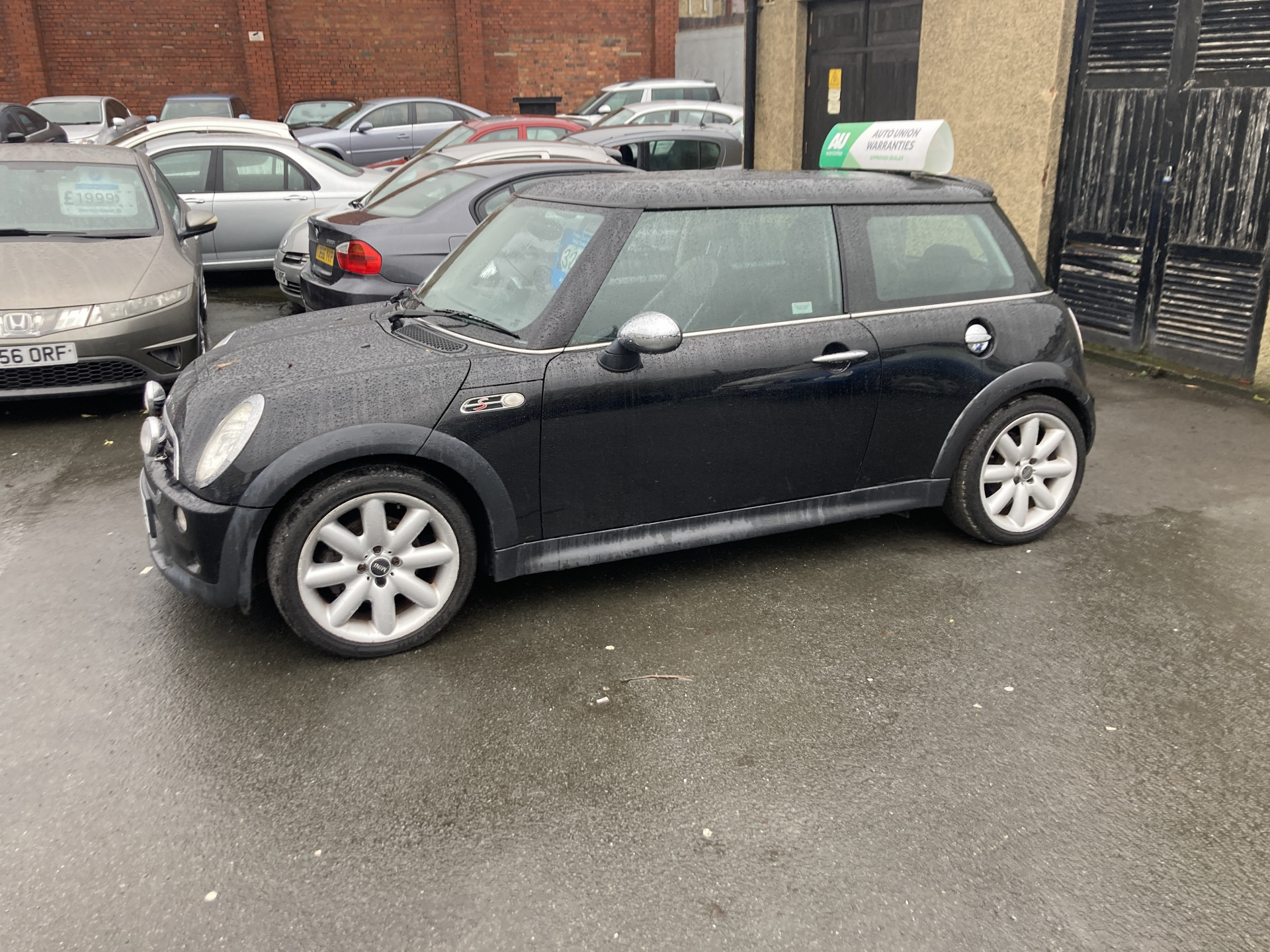
Your budget may also influence whether you buy from a dealership or a private seller. Dealerships often charge slightly higher prices, but they may offer warranties, vehicle preparation and consumer protections. Private sellers may offer lower prices, but buyers must carry out their own checks and inspections more carefully. Regardless of where you buy, verifying the vehicle’s history and condition is essential. Always review MOT records, service history and ownership documentation before completing the purchase.
Final Thoughts
Buying a used car can be one of the most practical ways to obtain reliable transport while keeping costs manageable. However, setting the right budget is essential to avoid financial stress and unexpected expenses. A realistic budget should include not only the purchase price but also ongoing costs such as insurance, fuel, maintenance and potential repairs. Buyers who research carefully, inspect vehicles properly and plan their finances realistically are far more likely to enjoy a positive ownership experience. With the right preparation, a used car can provide many years of reliable and cost effective transport.
FAQs
How much should I budget for a used car?
A common guideline is to spend no more than around 20 percent of your annual income on a car purchase, although this may vary depending on your financial situation.
What extra costs should I consider when buying a used car?
Additional costs include insurance, fuel, servicing, road tax, tyres, MOT tests and unexpected repairs.
Is buying a used car better than buying new?
Used cars often provide better value because they have already experienced the largest depreciation drop during the first few years.
Should I get a vehicle inspection before buying a used car?
Yes. A professional inspection can identify mechanical faults, accident damage and hidden problems that may not be obvious during a normal viewing.
Is it cheaper to buy from a private seller or a dealer?
Private sellers may offer lower prices, but dealerships sometimes provide warranties and consumer protections that add peace of mind.