


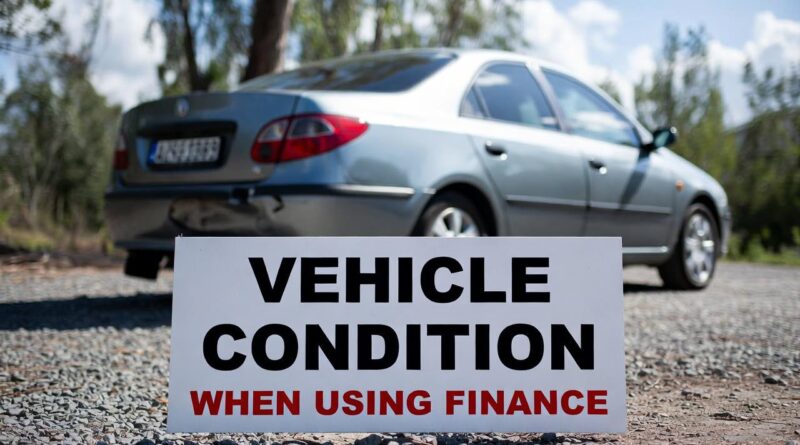
Used Car Finance Guide: Why Vehicle Condition, Age and Mileage Matter
Estimated reading time: 7 minutes
Financing a used car does not protect you from buying a poor-quality vehicle. While car finance can make ownership more accessible, it also commits you to long-term monthly payments regardless of the vehicle’s actual condition. Mechanical faults, accident damage, or hidden issues can quickly turn manageable repayments into a very costly mistake. When finance is involved, buyers often focus on approval, monthly cost, and interest rate. However, the condition, age, and mileage of the used car are just as important as your credit profile. Finance should always be secondary to ensuring the vehicle itself is sound, safe, and suitable for long-term ownership let’s look at used car finance guide book.
Why Used Car Condition Matters More When Financing
When you buy a used car outright, a mistake may be painful but contained. When you finance a used car, a mistake can follow you for years. If the vehicle develops serious faults shortly after purchase, you are still legally responsible for the finance agreement, even if the car is unusable.
Poor vehicle condition can lead to immediate repair costs, unexpected downtime, increased insurance issues, and reduced resale value. Finance agreements do not automatically include mechanical protection, and warranties may be limited or misleading.
This is why vehicle condition should always be assessed before finance is finalised, not after.
Due Diligence on the Used Car Trader
Some finance brokers correctly emphasise the importance of researching the used car trader, not just the vehicle. Understanding who you are buying from can reduce risk significantly.
Key checks include how long the trader has been operating, whether they have a physical premises, and whether they are registered and traceable. Online reviews can provide useful insight, particularly recurring complaints about misdescribed vehicles, unresolved faults, or poor aftersales support.
A trader with a long trading history and consistent feedback is generally a safer option than a newly established seller with limited presence.
Service History and Overall Vehicle Condition
A used car’s service history is one of the strongest indicators of how well it has been maintained. A full main dealer service history is highly recommended, especially when finance is involved. This shows that the vehicle has been serviced at the correct intervals using manufacturer-approved parts and procedures.
Vehicles with incomplete or missing service records may still be viable purchases, but they carry increased risk. Lack of documentation often correlates with deferred maintenance, skipped servicing, or undisclosed issues.
The overall condition of the vehicle should align with its age and mileage. Excessive wear, mismatched panels, warning lights, or signs of poor repairs should always be treated as red flags.
The Role of Professional Pre-Purchase Inspections
A more time-consuming but highly effective step is commissioning a professional pre-purchase inspection. This confirms the true condition of the vehicle before finance is finalised and protects you from committing to long-term payments on a car that may require immediate or expensive repairs.
A professional inspection can identify mechanical faults, accident damage, structural issues, poor-quality repairs, and signs of neglect that are not visible during a short viewing or test drive. For financed vehicles, this step is one of the most effective ways to reduce risk.
Credit History Does Not Have to Stop You Buying a Used Car
Your credit history does not automatically prevent you from obtaining used car finance. Many specialist lenders like Quick Car Finance consider a wide range of circumstances rather than relying solely on traditional credit scoring:
CCJs (County Court Judgments)
Defaults and arrears
Previous bankruptcy or IVA
No credit history or thin credit file
Debt management plans
While approval is never guaranteed, specialist lenders often assess the full picture rather than a single past event.
Tips to Improve Used Car Finance Approval Chances
Providing a larger deposit, typically between 10 and 20 percent, can significantly improve approval chances and reduce interest rates. Choosing a newer used car under seven years old also improves lender confidence.
Being on the electoral register, demonstrating stable income and employment, and selecting a realistic loan amount aligned with the vehicle’s value all strengthen applications.
Important Information About Bad Credit Finance
Bad credit finance typically comes with higher interest rates to reflect the increased risk to lenders. However, successfully maintaining repayments can help improve your credit profile over time. All applications remain subject to status and affordability checks.
Here Is Quickcarfinance Guide How Age Affects Finance Approval
Car age plays a major role in lender decisions because it directly affects reliability and future value.
Car Age Guidelines
0–3 years old
Best rates available, widest lender choice, higher loan-to-value ratios
4–7 years old
Excellent approval rates, competitive APRs, most popular range for used car finance
8–10 years old
Still considered, may require larger deposit, specialist lenders involved
Over 10 years
Very limited options, higher APRs, prestige or classic vehicles may be exceptions
How Mileage Affects Finance Approval
Mileage is closely linked to mechanical risk and depreciation.
Mileage Guidelines
Under 30,000 miles
Low mileage, best rates, most attractive to lenders
30,000–70,000 miles
Average mileage, strong approval rates, standard terms
70,000–100,000 miles
Higher mileage, finance available with conditions
Over 100,000 miles
Very limited options, specialist lenders only, higher APR likely
Pro Tip for Best Approval Chances
For the best approval rates and lowest APR, choose a used car that is three to seven years old with under 70,000 miles. This range offers the best balance of value, reliability, and lender confidence, often unlocking rates from 9.9% APR subject to status and affordability.
Used Car Finance Market
The UK used car market remains one of the strongest in Europe, with around seven million used cars sold annually. Rising new car prices have pushed more buyers towards used vehicles, where depreciation has already occurred.
A typical three-year-old car may have lost 40 to 50 percent of its new value while retaining many years of usable life. This creates strong value, lower insurance costs, and access to higher specifications within budget.
Understanding Used Car Finance Rates
Used car finance rates depend on several factors including the Bank of England base rate, your credit profile, the vehicle’s age and mileage, and the loan term. While representative APRs may sit around 21.9%, rates can start from 9.9% for strong applications. All rates are subject to status and affordability.
Final Thoughts
Used car finance should never be decided on repayments alone. Vehicle condition, age, mileage, and history are critical factors that determine whether finance becomes a sensible solution or a long-term burden.
Taking the time to research the seller, verify service history, and commission a professional inspection before committing to finance can protect both your finances and your peace of mind.
FAQ’s
Why does vehicle condition matter when using finance?
Vehicle condition is critical because finance agreements continue regardless of mechanical faults or damage. Poor condition can lead to costly repairs while you are still committed to monthly payments.
Does car finance protect me if the used car has problems?
No. Finance does not automatically protect you from buying a poor-quality vehicle. Mechanical issues, accident damage, or hidden faults remain the buyer’s responsibility unless covered by warranty or consumer law.
Should I check the used car trader before using finance?
Yes. Researching a trader’s history, reviews, and how long they have been operating can reduce the risk of buying a misdescribed or poorly prepared vehicle.
Is full service history important for financed used cars?
Yes. A full service history, ideally from a main dealer or recognised specialist, shows the vehicle has been maintained correctly and reduces long-term ownership risk.
How does car age affect used car finance approval?
Lenders generally prefer used cars under seven years old. Older vehicles may still be financed but often require a larger deposit or attract higher interest rates.
How does mileage affect used car finance?
Lower mileage vehicles are more attractive to lenders. Cars with under 70,000 miles typically receive better approval rates than high-mileage vehicles.
Can I get used car finance with bad credit?
Yes. Specialist lenders consider CCJs, defaults, IVAs, and thin credit files, although interest rates may be higher and affordability checks still apply.
Does a pre-purchase inspection help with financed cars?
Yes. A professional inspection confirms the vehicle’s true condition before finance is finalised and helps prevent committing to long-term payments on a problematic car.
What is the best used car age and mileage for finance?
The strongest approval rates are usually for cars aged three to seven years with under 70,000 miles, offering the best balance of value and lender confidence.
Can used car finance improve my credit score?
Maintaining payments on time can help rebuild credit history over time, but missed payments will negatively affect your credit profile.