


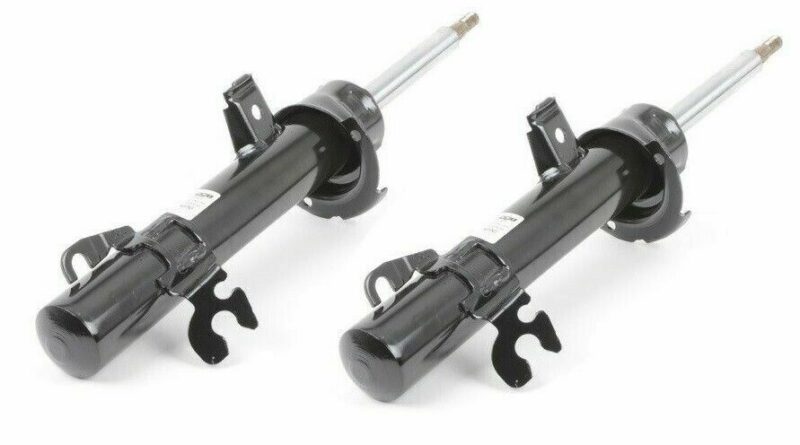
Guide to Shock Absorber Replacement Costs
Estimated reading time: 6 minutes
Shock absorbers are a key part of your vehicle’s suspension system. Their role is to control how your car responds to bumps, dips, and uneven road surfaces. Without them, your vehicle would continue bouncing after every impact, making driving unstable and uncomfortable. They work by converting kinetic energy from suspension movement into heat, which is then dissipated. This process keeps your tyres firmly in contact with the road, which is essential for safe braking, steering, and overall control.
Why Shock Absorbers Are Critical for Safety
Worn shock absorbers do not just affect comfort, they directly impact safety. Poor suspension reduces tyre grip, increases stopping distances, and makes the vehicle harder to control, especially in emergency situations.
Drivers often underestimate how much shock absorbers contribute to braking performance. In some cases, worn shocks can increase stopping distances by several metres, which can be the difference between avoiding an accident and not.
Common Signs of Worn Shock Absorbers
Recognising early warning signs can help you avoid further damage and higher repair costs.
• Excessive bouncing after hitting bumps
• Poor handling or instability during cornering
• Nose diving when braking
• Rear squatting during acceleration
• Uneven or irregular tyre wear
• Knocking noises from the suspension
• Oil leaks visible on the shock absorber body
If you notice any of these symptoms, it is important to have your vehicle checked as soon as possible.
What Causes Shock Absorbers to Wear Out
Shock absorbers naturally degrade over time due to constant movement and pressure. However, certain factors accelerate wear.
• Driving on rough or uneven roads
• Frequent exposure to potholes
• Carrying heavy loads regularly
• High mileage usage
• Poor quality replacement parts
In the UK, road conditions and potholes are one of the most common causes of early suspension wear.
Factors That Affect Shock Absorber Replacement Costs
Shock absorber replacement costs vary widely depending on several key factors.
Vehicle Make and Model
The type of car you drive plays a major role in pricing.
• Small hatchbacks usually have lower costs
• SUVs and larger vehicles require stronger components
• Luxury and performance cars use advanced suspension systems
Premium brands such as BMW, Porsche, or Range Rover often have higher replacement costs.
Type of Shock Absorbers
Not all shock absorbers are the same.
• Standard hydraulic shocks are the most affordable
• Gas-filled shocks offer improved performance
• Adaptive or electronic shocks are significantly more expensive
Vehicles with adaptive suspension systems can cost considerably more to repair.
Quality of Replacement Parts
The choice between OEM and aftermarket parts impacts cost and longevity.
• OEM parts provide exact fit and long-term reliability
• Mid-range aftermarket options balance cost and performance
• Budget parts are cheaper but may wear out faster
Choosing quality parts often saves money in the long run.
Labour Costs
Labour costs depend on complexity and garage rates.
• Simple replacements may take one to two hours
• Vehicles with complex suspension setups take longer
• Labour rates vary across the UK
Replacing front struts is usually more expensive than rear shocks due to additional components.
Additional Components
Shock absorber replacement often involves other parts.
• Top mounts and bearings
• Bushings
• Springs in some cases
• Alignment adjustments after installation
These additional items can increase the total cost but are often necessary.
Average Shock Absorber Replacement Cost in the UK
Here is a realistic cost breakdown based on current UK market data.
Per Pair Costs
• Economy vehicles: £200 to £300
• Mid-range vehicles: £250 to £450
• Premium vehicles: £400 to £700+
Per Vehicle (All Four)
• £400 to £1,200 depending on vehicle type and parts
Front suspension replacements are usually more expensive than rear due to complexity.
Why Replacing in Pairs Is Important
Shock absorbers should always be replaced in pairs on the same axle.
Replacing only one shock can cause imbalance, uneven handling, and reduced stability. This is why garages typically recommend replacing both front or both rear shocks at the same time.
The Impact on Tyres and Other Components
Worn shock absorbers do not just affect ride quality. They also accelerate wear on other components.
• Increased tyre wear due to poor road contact
• Extra strain on suspension bushings
• Reduced effectiveness of braking systems
Replacing shocks early can prevent these additional costs.
The Importance of Vehicle Inspection
Shock absorber wear is not always obvious during a short drive. Some issues develop gradually and can be missed by inexperienced buyers.
This is why arranging a professional vehicle inspection is essential, especially when buying a used vehicle. A service such as Carexamer can identify suspension wear, hidden faults, and safety concerns before you commit to a purchase.
A proper inspection helps you avoid unexpected repair bills and ensures the vehicle is safe to drive.
Can You Drive with Worn Shock Absorbers
You can drive with worn shocks, but it is not recommended.
The longer they are left unchecked, the worse the handling and braking performance becomes. This increases the risk of accidents, particularly in wet or emergency conditions.
Replacing them early is always the safer and more cost-effective option.
Tips to Extend Shock Absorber Life
There are simple ways to reduce wear and extend lifespan.
• Avoid driving aggressively over potholes
• Reduce speed on rough roads
• Do not overload your vehicle
• Use high-quality replacement parts
• Carry out regular suspension checks
Good driving habits play a significant role in suspension longevity.
Final Thoughts
Shock absorber replacement is an essential part of maintaining your vehicle’s safety and performance. While the costs can vary depending on vehicle type, parts, and labour, ignoring worn shocks can lead to much higher repair bills and serious safety risks.
By understanding the symptoms, budgeting for replacement, and combining routine maintenance with professional inspections, you can keep your vehicle stable, comfortable, and safe on the road.
FAQs
1. How much does it cost to replace shock absorbers in the UK?
It typically costs between £200 and £500 per pair, depending on the vehicle and parts used.
2. Should shock absorbers be replaced in pairs?
Yes, they should always be replaced in pairs on the same axle to maintain balanced handling.
3. How long do shock absorbers last?
Most shock absorbers last between 50,000 and 100,000 miles depending on driving conditions.
4. What happens if I don’t replace worn shocks?
Worn shocks reduce handling, increase stopping distance, and can cause further damage to tyres and suspension components.
5. Can worn shocks fail an MOT?
Yes, if they are leaking, damaged, or affecting vehicle stability, they can result in an MOT failure.