


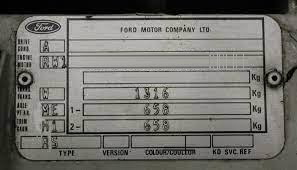
How to Check the VIN Number on Your Car
Estimated reading time: 5 minutes
A Vehicle Identification Number, commonly known as a VIN, is a unique code assigned to every vehicle at the time of manufacture. It acts like a fingerprint for your car, ensuring that no two vehicles share the same identity. A standard VIN consists of 17 characters made up of both letters and numbers. Each section of the VIN provides specific information about the vehicle, including its manufacturer, model, engine type, and production details. Understanding how to check a VIN number is essential for anyone buying, selling, or owning a vehicle in the UK.
Why Checking the VIN Is Important
Verifying a VIN is not just a technical exercise. It is one of the most important checks you can carry out when dealing with a vehicle.
• Confirms the car’s identity matches official records
• Helps detect stolen or cloned vehicles
• Reveals accident and damage history
• Identifies outstanding finance or insurance write-off status
• Ensures accurate registration and insurance documentation
Failing to check the VIN properly can expose you to serious financial and legal risks.
Where to Find the VIN on Your Car
Manufacturers place the VIN in several locations to prevent tampering and fraud. Always check multiple locations to ensure consistency.
Common VIN Locations
• Dashboard near the windscreen on the driver’s side
• Driver’s side door frame or door pillar
• Engine bay or engine block
• Under the bonnet on chassis components
• Vehicle registration document (V5C)
• Insurance documents
The most accessible location is usually the dashboard, where the VIN can be viewed from outside the car through the windscreen.
How to Check the VIN Step by Step
Checking a VIN is straightforward but must be done carefully.
Step 1: Locate the VIN
Find the VIN on the vehicle itself. Start with the dashboard and door frame, as these are the most common locations.
Step 2: Compare All VIN Locations
Check that the VIN matches across all visible locations on the car. Any mismatch is a major warning sign.
Step 3: Match with the V5C Logbook
Ensure the VIN matches exactly with the V5C registration certificate. Even a single incorrect character should be investigated.
Step 4: Check for Signs of Tampering
Look closely for signs of interference.
• Scratched or altered plates
• Uneven rivets or glue marks
• Different fonts or spacing
• Fresh paint around VIN areas
These can indicate cloning or fraud.
Step 5: Run an Online VIN Check
Use a reliable history check service to verify the vehicle’s background. This can reveal theft records, accident history, mileage discrepancies, and more.
Understanding What the VIN Means
Each part of the VIN has a specific purpose.
• First 3 characters identify the manufacturer
• Characters 4 to 9 describe the vehicle type and features
• Character 10 indicates the model year
• Characters 11 to 17 identify the specific vehicle
While you do not need to memorise the structure, understanding it helps spot inconsistencies.
How VIN Checks Help Prevent Fraud
Vehicle fraud in the UK is more common than many buyers realise. Cloned vehicles, where criminals copy the identity of a legitimate car, are a major concern.
Checking the VIN helps detect:
• Stolen vehicles with altered identities
• Cars with mismatched documentation
• Vehicles that have been written off and repaired poorly
This is why a VIN check should always be part of your buying process.
Why a Vehicle Inspection Is Still Essential
Even if the VIN matches and history checks appear clear, this does not guarantee the car is free from issues.
A professional car inspection adds an extra layer of protection. A service such as CarExamer can verify VIN placement, identify tampering, and assess the vehicle’s overall condition.
This is especially important when buying a used car, where hidden problems are common.
Common Mistakes When Checking a VIN
Many buyers make avoidable errors when verifying a VIN.
• Checking only one VIN location
• Ignoring small inconsistencies in characters
• Trusting seller information without verification
• Skipping a professional inspection
Taking shortcuts can lead to costly mistakes.
VIN Checks for Recalls and Safety
Manufacturers use VINs to track safety recalls. By entering your VIN into manufacturer or government databases, you can check if your vehicle has outstanding recalls.
This ensures that any safety issues are addressed promptly.
When You Should Always Check the VIN
There are specific situations where VIN checks are absolutely essential.
• Buying a used car from a private seller
• Purchasing from an auction
• Importing a vehicle
• Selling your own car
• Verifying insurance details
In all these cases, the VIN is your primary tool for confirming legitimacy.
Final Thoughts
Knowing how to check a VIN number is a fundamental skill for any vehicle owner or buyer in the UK. It provides critical insight into a car’s identity, history, and legitimacy. By checking multiple VIN locations, verifying documents, and using professional services, you can protect yourself from fraud and costly mistakes. Combining a VIN check with a detailed inspection is the most effective way to ensure you are buying a safe and genuine vehicle.
FAQs
1. What is a VIN number used for?
A VIN is used to identify a vehicle, track its history, and verify its authenticity.
2. Where can I find the VIN on my car?
Common locations include the dashboard, door frame, engine bay, and official documents such as the V5C.
3. Can two cars have the same VIN?
No, every VIN is unique to a specific vehicle.
4. What should I do if VIN numbers do not match?
Do not proceed with the purchase and report the issue, as it may indicate fraud.
5. Is a VIN check enough before buying a car?
No, it should be combined with a full vehicle history check and professional inspection.