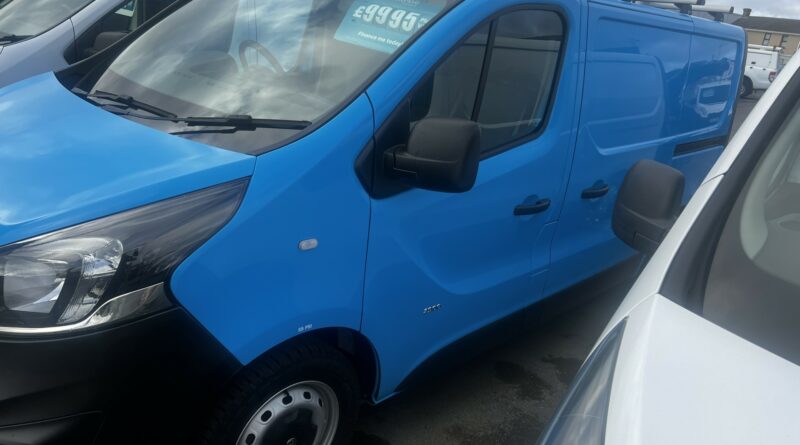
When Buying a Good Used Van A Practical Guide
Estimated reading time: 7 minutes
Buying a good used van can be a sensible and cost-effective decision for individuals and businesses that need reliable transport without the expense of buying new. Whether you are a sole trader, a growing business, or a private buyer looking for extra space, a used van can offer excellent value if chosen carefully. However, buying a used van is rarely straightforward. Unlike most cars, vans are built to work, and almost all used vans have been subjected to commercial use, heavy loads, long driving hours, and demanding conditions. Because of this, it is far more difficult to find a genuinely good used van than it is to find a good used car. Vans experience abnormal use compared to light vehicles, and this has a direct impact on wear, reliability, and future running costs. This practical guide explains what to consider when buying a good used van, how to assess condition realistically, and how to reduce the risk of expensive mistakes.
Before starting your search, it is important to understand that no used van will be perfect. The goal is not to find a flawless vehicle, but to find a van that has been used appropriately, maintained correctly, and priced fairly for its condition.
Determine Your Needs Before You Start Looking
The first step when buying a good used van is to clearly define your requirements. Vans come in many shapes and sizes, and choosing the wrong type can lead to unnecessary costs and inefficiency.
Consider what size van you actually need. Payload capacity is critical, as regularly overloading a van will quickly damage suspension, brakes, tyres, and drivetrain components. Think about the type of work the van will be doing, the weight of tools or goods, and whether the load will be constant or occasional.
Fuel efficiency is another key factor, especially if the van will cover high mileage. Engine size, fuel type, and emissions compliance may affect running costs and access to low-emission zones. Features such as sliding doors, rear door configuration, roof height, bulkheads, racking, and towing capability should also be considered early, as retrofitting can be expensive.
By understanding your needs clearly, you can narrow your search and avoid being tempted by vans that look appealing but are unsuitable for your intended use.
Set a Realistic Budget
Setting a realistic budget is essential when buying a used van. The purchase price is only one part of the overall cost. Insurance for vans is often higher than for cars, particularly for business use. Fuel, servicing, tyres, brakes, and repairs should all be factored into your calculations.
It is also wise to set aside a contingency budget for unexpected repairs, especially during the first year of ownership. Vans that appear cheap can quickly become expensive if major components such as clutches, injectors, gearboxes, or suspension need attention.
A realistic budget should allow you to buy the best-condition van you can afford rather than the newest or lowest-mileage example.
Research Vehicle Reliability and Known Issues
Before committing to a specific make or model, research reliability and common faults. Some vans have strong reputations for durability when maintained properly, while others may suffer from known engine, gearbox, or emissions-related issues.
Look for independent reviews, fleet reports, and owner experiences. Pay particular attention to engine variants, as reliability can vary significantly within the same model range. Understanding common issues allows you to ask better questions and inspect more effectively.
Understand the Reality of Commercial Use
Unlike cars, most vans spend their lives working. This means frequent stop-start driving, heavy loads, long idling periods, and sometimes harsh treatment. Wear on components such as clutches, suspension, brakes, and steering is often greater than mileage alone would suggest.
A van showing relatively low mileage may still be heavily worn if it has been used for short urban journeys or constant loading. Conversely, a higher-mileage van used mainly on motorways may be in better overall condition. This is why condition and service history matter more than mileage alone.
Check the Vehicle History Carefully
A vehicle history check is essential when buying a used van. Using the vehicle identification number, you can check for outstanding finance, insurance write-offs, theft records, and recorded mileage history.
Vans often change hands multiple times, including fleet operators, leasing companies, and traders. Inconsistencies in mileage records, gaps in history, or frequent ownership changes should be investigated further.
While a clean history report does not guarantee a perfect van, it significantly reduces risk.
Inspect the Van Thoroughly Inside and Out
A careful physical inspection is one of the most important steps when buying a used van. Start with the exterior. Look for dents, corrosion, poorly repaired accident damage, and misaligned panels. Vans often pick up cosmetic damage, but poor repairs may indicate deeper issues.
Check tyres for even wear and matching brands. Uneven wear can indicate suspension or alignment problems. Inspect brakes and suspension components if possible, as these are high-wear areas on commercial vehicles.
Inside the cab, examine the seats, steering wheel, pedals, and gear lever. Excessive wear that does not match the recorded mileage can be a warning sign. Check that all dashboard controls, warning lights, heating, and electrical features function correctly.
Inspect the load area carefully. Look for signs of overloading, structural damage, or water ingress. Modifications such as racking or shelving should be secure and professionally installed.
The Importance of a Professional Inspection
A professional pre-purchase inspection is strongly recommended when buying a used van, especially for higher-value purchases or business-critical vehicles. Experienced inspectors understand how vans wear and can identify issues that are easy to miss during a casual viewing.
A professional inspection can reveal mechanical faults, structural issues, and inconsistencies between condition and mileage. This information allows buyers to make informed decisions, renegotiate price, or walk away if necessary.
Review Maintenance and Service Records
Service history is particularly important for vans. Regular servicing indicates responsible ownership and reduces the likelihood of neglected maintenance. Look for evidence of oil changes, brake servicing, timing belt or chain work where applicable, and clutch or suspension repairs.
A lack of service records does not automatically rule out a van, but it increases risk and should be reflected in price.
Van Valuation and Pricing
Understanding van valuation helps you avoid overpaying. Market value depends on age, mileage, condition, specification, and demand. Be cautious of vans priced significantly below market average, as there is often a reason.
Mileage should be assessed alongside condition and history. A higher-mileage van with excellent maintenance may represent better value than a lower-mileage example with poor care.
Test Driving the Van Properly
Always test drive a used van before buying. Pay attention to how the engine starts, idles, and accelerates. Gear changes should be smooth, and the clutch should not slip or judder. Steering should feel stable, and braking should be strong and straight.
Listen for unusual noises from the engine, transmission, suspension, or drivetrain. Warning lights should not be ignored, even if the seller claims they are minor.
Verify Ownership and Documentation
Ensure the seller has the legal right to sell the van. Check the V5C logbook, registration details, and VIN numbers carefully. All information should match across documents and the vehicle itself.
Any discrepancies should be resolved before proceeding.
Choosing the Right Seller
Some dealers specialise in sourcing good-quality used vans in a very challenging commercial market. While recommendations can be useful, buyers should still rely on inspections, history checks, and documentation rather than reputation alone.
No seller can guarantee a fault-free used van, which is why independent checks remain essential.
Final Thoughts on Buying a Good Used Van
Buying a good used van requires patience, realistic expectations, and careful checks. Vans are work vehicles, and most have lived demanding lives. Understanding this helps buyers focus on condition, maintenance, and suitability rather than appearance alone.
By determining your needs, setting a realistic budget, checking history, inspecting thoroughly, and using professional inspections where appropriate, you can significantly reduce risk and make a confident purchase. Taking time at the buying stage often saves money, downtime, and stress later on.
FAQ’s
Why is buying a used van more difficult than buying a used car
Used vans are subject to heavier commercial use, higher loads, and longer driving hours, which increases wear and risk.
What should I prioritise when buying a used van
Condition, maintenance history, suitability for your needs, and realistic valuation are more important than low mileage alone.
Is high mileage always bad on a used van
No. A well-maintained high-mileage van can be a better option than a poorly maintained low-mileage one.
Should I get a professional inspection when buying a used van
Yes. A professional inspection helps identify hidden issues and reduces the risk of costly surprises.
What documents should I check before buying a used van
You should check the V5C logbook, service records, MOT history, and vehicle history report.