What Is a Car Inspection and Why It Matters When Buying a Used Car
Estimated reading time: 5 minutes
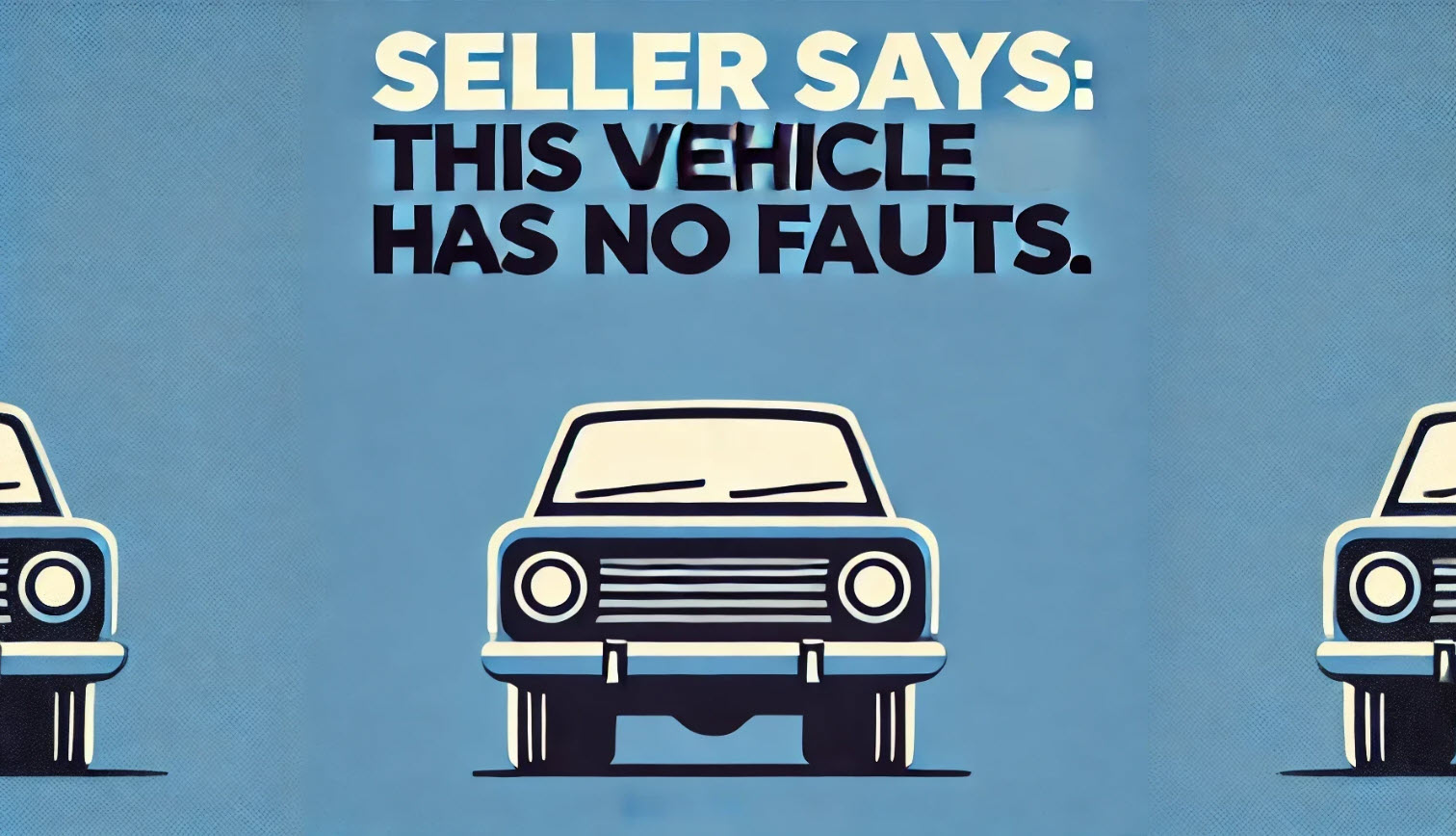
If you have spent time searching for used cars, or if you have a general interest in vehicles, you have probably come across the term car inspection. Arranging a car inspection is one of the smartest decisions you can make when buying a used vehicle. It improves safety, protects your money, and provides genuine peace of mind before committing to a purchase. Before booking an inspection, it is natural to ask what a car inspection actually is, what it involves, and why it is considered so valuable. This guide explains everything you need to know in clear and simple terms.
Car Inspection Definition
A pre-purchase car inspection, also known as a vehicle inspection, is a professional service carried out by a trained and independent inspector. The inspector examines the vehicle inside and out to identify existing problems and early signs of potential future issues. The findings are reported directly to the buyer, allowing a clear understanding of the condition of the vehicle. This helps you decide whether to proceed with the purchase, walk away, or negotiate the price to reflect any faults discovered.
A proper inspection removes the guesswork from buying a used car.
What Does a Car Inspector Do?
A car inspector follows a detailed checklist to assess the vehicle thoroughly. This includes both visual and mechanical checks, often going far beyond what a seller or dealer may disclose. Inspectors use specialist tools, experience, and industry knowledge to evaluate areas that are not always obvious during a viewing or short test drive.
Common Areas Checked During a Car Inspection
A professional inspection typically covers the engine compartment, electrical systems and warning lights, wheels and tyres, suspension and steering components, transmission and drivetrain, braking system, exterior bodywork and structural condition, cooling system, and exhaust and emissions components. Many inspections also include a road test. During this, the inspector drives the vehicle to identify issues that only appear when the car is in motion, such as gearbox faults, steering problems, braking vibration, warning lights, or abnormal noises.
How Do You Receive the Inspection Results?
Once the inspection is complete, the buyer receives a detailed report outlining everything the inspector has found. Most professional inspection services provide reports in a digital format, often supported by photographs. This allows buyers to clearly see the issues identified, rather than relying on written descriptions alone. Some providers also offer online portals or follow-up communication options so buyers can ask questions or request clarification. However services may differ in how they operate, so this does depend on provider. If inspection is completed elsewhere like at garage then they might use paper forms or digital options via third party integrations.
What Are the Benefits of a Car Inspection?
Financial Protection
For most buyers, the main benefit is financial protection. A car inspection shows exactly what is being purchased and highlights potential repair costs that may arise in the future. Identifying problems before purchase can save hundreds or even thousands of pounds. Even minor faults can often be used to negotiate a fairer purchase price.
Safety
A car inspection also protects personal safety. Undetected faults can lead to breakdowns or serious mechanical failures, putting the driver and other road users at risk. An inspection highlights safety-critical issues before they become dangerous.
Peace of Mind
For many buyers, peace of mind is just as important as saving money. A car inspection confirms the true condition of the vehicle and reduces the risk of unpleasant surprises after purchase. This is especially valuable for buyers who are not confident with cars or mechanical knowledge.
What Types of Car Inspection Are Available?
Not all car inspections are the same. Different providers offer varying levels of service, usually ranging from basic to comprehensive options. The right choice depends on the value of the car and the buyer’s personal risk tolerance.
Higher-value vehicles or complex models generally benefit from more detailed inspections, while lower-risk purchases may only require a basic assessment.
How Long Does a Car Inspection Take?
Inspection time varies depending on the level of inspection selected. Basic inspections typically take around one hour, more detailed inspections around one hour and forty minutes, and comprehensive inspections up to two and a half hours.
This usually includes a road test, which often lasts between ten and twenty minutes.
In most cases, the buyer does not need to be present. As long as the seller has granted permission and access details are provided, the inspection can be completed independently and the report delivered afterwards.
Are Car Inspections Worth the Money?
Whether a car inspection is worth the cost depends on the level of risk involved in the purchase. If the potential repair costs outweigh the cost of an inspection, then an inspection usually makes sense.
Ultimately, the value of an inspection depends on the buyer’s budget, the value of the vehicle, and how much certainty is required before buying.
Final Thoughts
A car inspection is one of the most effective ways to protect yourself when buying a used vehicle. It provides clarity, reduces financial risk, improves safety, and offers genuine peace of mind.
If you want to understand the true condition of a car before you buy, a professional inspection is a practical and sensible investment.