


Toyota and Honda Turn India Into a Car Production Hub
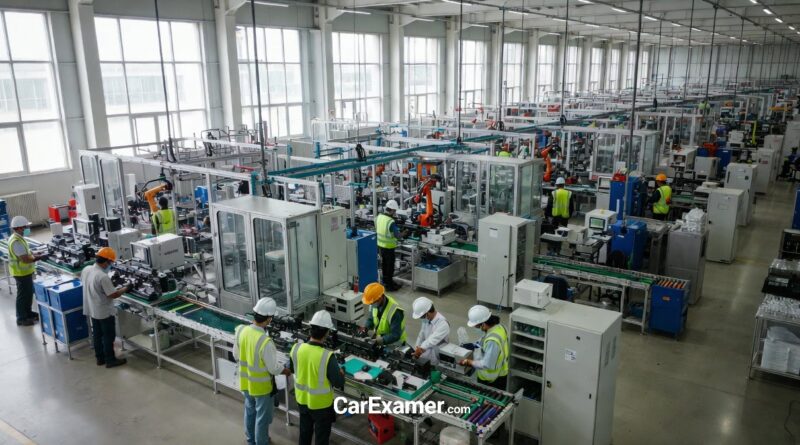
Toyota and Honda are increasing their focus on India as a major global car production hub, marking a clear shift away from heavy reliance on China. This move reflects changes in global supply chains, rising manufacturing costs in China, geopolitical uncertainty, and India’s growing role as both a production base and a fast growing car market. This strategy represents a long term change in how major Japanese manufacturers plan vehicle production, exports, and regional expansion.
Why Toyota and Honda Are Moving Production Away From China
Rising Manufacturing Costs in China
Labour, energy, and compliance costs in China have risen steadily. These increases have reduced the cost advantage that once made China the preferred global manufacturing centre.
Geopolitical and Trade Uncertainty
Trade tensions, export controls, and political risks have encouraged manufacturers to reduce dependence on a single country. Diversifying production locations improves supply chain stability.
Slower Growth and Stronger Local Competition
China remains a large car market, but growth has slowed. Domestic brands, particularly in electric vehicles, are putting pressure on foreign manufacturers.
Why India Is Becoming a Key Alternative
Competitive Production Costs
India offers lower labour costs and improving industrial infrastructure, making it suitable for large scale vehicle manufacturing.
Government Incentives and Policy Support
Indian government initiatives such as production linked incentive schemes and tax benefits are attracting global car makers to expand local production.
Growing Domestic Demand
India is one of the fastest growing car markets in the world. Rising incomes, urban development, and improved road networks support long term demand.
Strong Export Opportunities
Vehicles produced in India are increasingly exported to Africa, the Middle East, South East Asia, and Latin America. India’s geographic position and trade links support global distribution.
Toyota’s Manufacturing Strategy in India
Toyota is expanding its Indian operations by increasing local sourcing, improving production efficiency, and using India as a base for exports.
Key priorities include:
- Cost efficient petrol and hybrid vehicles
- Higher localisation of components
- Export focused manufacturing
- Long term collaboration with local partners
Toyota views India as a strategic hub that can support both domestic sales and overseas markets.
Honda’s Shift Toward India
Honda is also strengthening its manufacturing footprint in India, focusing on flexible plants that can supply multiple regions.
Honda’s approach includes:
- Using India as an export centre for compact cars
- Reducing reliance on China based production
- Improving cost competitiveness
- Preparing factories for future hybrid and electric models
This allows Honda to adapt to global demand while managing production risks.
Impact on the Global Automotive Industry
Reduced Dependence on China
Toyota and Honda’s move reflects a wider industry trend. Many global manufacturers are spreading production across multiple countries to reduce risk.
India’s Growing Global Role
India is no longer just a local market. It is becoming a key part of global automotive supply chains.
Increased Competitive Pressure
As Japanese manufacturers expand in India, other brands may accelerate their own plans to diversify production.
What This Means for Consumers
Competitive Vehicle Pricing
Lower production costs may help manufacturers keep car prices more competitive in global markets.
Greater Availability of Hybrid Vehicles
India is expected to play a larger role in producing petrol hybrid models for international markets.
More Stable Supply Chains
Diversified manufacturing reduces the risk of vehicle shortages caused by regional disruptions.
Long Term Outlook
Toyota and Honda’s focus on India represents a long term strategic shift rather than a short term response. While China will remain important, its dominance as a manufacturing hub is gradually changing.
India’s cost advantages, expanding market, and supportive policies position it as a central pillar in future global car production strategies.
Summary
Toyota and Honda are turning India into a major car production hub as part of a broader move away from China. Rising costs, geopolitical risks, and changing market conditions are driving this shift. With strong government support and growing demand, India is set to play a much larger role in global automotive manufacturing in the years ahead.