


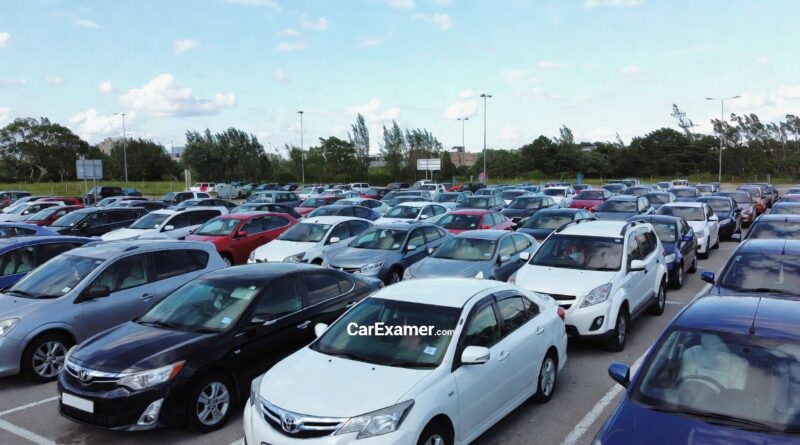
Petrol and diesel cars grow in popularity across the world, EY finds
Combustion engine cars are seeing a rise in global demand again, according to new research from EY. After years of steady decline as electric vehicles grew in popularity, interest in petrol and diesel cars is increasing across several major markets. This change is driven by cost pressures, concerns about charging infrastructure and a slowdown in electric vehicle adoption. Below is a clear and fully human written SEO article explaining why combustion cars are gaining popularity again, what the EY report highlights and what this shift means for drivers and the automotive industry.
Why Combustion Cars Are Becoming Popular Again
1. High Cost of Electric Vehicles
Electric cars are still more expensive than petrol or diesel models. With rising living costs, many buyers are choosing cheaper combustion cars instead. Even with incentives, EV prices remain too high for many households.
2. Concerns About Charging
In many regions, there are not enough reliable charging stations. Long queues, slow charging speeds and out of service chargers make EV ownership inconvenient for many drivers.
3. Range Anxiety
Many people still worry about running out of battery power on long journeys. Petrol and diesel cars offer long range driving with quick refuelling, which feels more practical to some users.
4. Reduced Government Incentives
Some countries have reduced or removed schemes that encouraged EV adoption. Without financial support, many buyers return to traditional combustion engine cars.
5. Better Efficiency in Modern Combustion Engines
Manufacturers continue to make petrol and diesel engines cleaner and more efficient. Improved technology helps attract buyers who want lower costs without switching to electric.
Key Findings from the EY Report
Increased Combustion Car Sales
EY research shows that petrol and diesel cars have grown in market share across parts of Europe, Asia and South America.
Slowing Growth in Electric Vehicles
Although EV sales are still rising overall, the pace has slowed. Many buyers are delaying their switch due to concerns about cost, battery lifespan and charging access.
Growth in Plug In Hybrids
Plug in hybrids offer a balance between electric driving and petrol backup. They are becoming popular among drivers who want some electric capability without relying on public charging.
Adjustments in Manufacturing Strategy
Car makers that planned for rapid EV expansion are now slowing their timelines. Many are continuing production of combustion and hybrid models to meet shifting demand.
What This Means for Drivers
More Choice in the Market
Drivers will continue to have access to combustion, hybrid and electric cars. The phase out of petrol and diesel will likely happen more slowly than originally expected.
A Slower Transition to EVs
The move towards full electrification will continue, but more gradually. Consumers have time to wait and choose the right moment to switch.
Competitive Prices for Combustion Cars
With manufacturers balancing production, buyers may find stronger deals on new and used petrol or diesel models.
What This Means for the Automotive Industry
Manufacturers Will Balance Their Lineups
Instead of going all in on electric vehicles, brands will continue to improve petrol, diesel and hybrid technology while developing EVs at a steadier pace.
More Cautious Investment in EV Production
Companies will take a more measured approach to spending on EV factories and battery technology until demand becomes more stable.
Continued Need for Charging Infrastructure
Governments and businesses will continue building chargers, but it will take time before the network fully supports mass EV adoption.
Should Drivers Switch to EVs Now or Wait?
The best choice depends on lifestyle and driving habits.
- Drivers with home charging and short daily trips may still benefit from an EV.
- Drivers who travel long distances or live far from charging points may find petrol or diesel cars more practical.
- Plug in hybrids offer a middle option with electric driving for short trips and petrol for longer journeys.
Anyone buying a used petrol, diesel, hybrid or electric vehicle should get a full vehicle inspection checks that assess engine health, emissions systems, battery condition, diagnostics and all major mechanical components.
Summary
According to EY, combustion engine cars are becoming more popular again worldwide. Cost pressures, limited charging access and slower EV adoption are all contributing to the shift. While electric vehicles remain the long term future, petrol and diesel cars are still relevant and practical for many drivers today. This trend shows that the global transition to EVs will take longer and require more support than expected.