


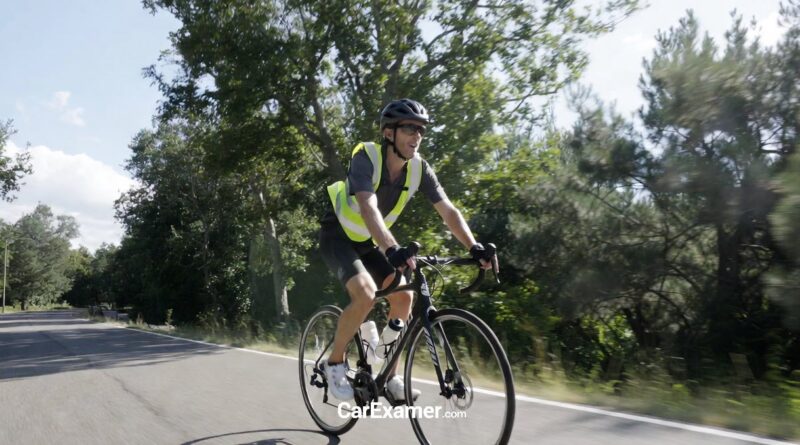
How to Stay Safe Around Cyclists: Essential Tips for Drivers
Cyclists are a regular part of modern traffic, and drivers encounter them in cities, towns, and rural areas year-round. Close passes, sudden movements, and limited protection make cyclists some of the most at-risk road users. Small choices behind the wheel often decide whether a situation stays safe or becomes dangerous. When drivers understand how cyclists ride and how simple adjustments in driving habits affect them, the road becomes safer for everyone.
Understanding Cyclist Vulnerability
Cyclists travel with very little physical protection. Even low-speed impacts can lead to significant injury. Their narrow profile makes them harder to notice, and they are often hidden behind parked cars or within natural blind spots. Cyclists also shift their position more often than drivers expect. They may move away from drains, potholes, or uneven surfaces, and these movements can be misread as unpredictable by someone following too closely.
Weather and surface conditions also affect stability. Strong winds, wet roads, and loose debris can cause a cyclist to adjust their line quickly. Drivers who recognise these limitations are better prepared to give cyclists the room they need.
Common Driver Mistakes That Lead to Collisions
Many collisions happen because a driver misjudges space or speed. Overtaking remains one of the most common problems, especially on narrow roads where cyclists have limited room to move. Dooring incidents create another serious risk. When a door opens into the path of a cyclist, the rider has almost no time to react. A quick mirror check and a short pause before opening a door prevent many of these accidents.
Blind spots also play a part. Cyclists who ride alongside a vehicle may be completely hidden, particularly around larger cars, vans, or lorries. Regular mirror checks, including a glance over the shoulder, help drivers keep track of anyone riding beside them. Sudden turns without clear signalling create avoidable dangers too. Cyclists rely on predictable behaviour, and late or unclear signals make it difficult for them to react safely.
How Vehicle Condition Impacts Cyclist Safety
Safe interaction with cyclists depends on driver behaviour, but the vehicle itself also plays an important role. Worn brakes increase stopping distances and limit vehicle control. Poor tyre condition affects grip, especially in wet weather, which can lead to skids or unexpected swerves. Clean and properly aligned mirrors are essential. Even a slight misalignment increases blind spots and makes cyclists harder to see. Indicators and lights also matter more than many drivers realise. Dim bulbs or inconsistent flashes make it difficult for cyclists to judge intent, especially in busy or low-light conditions.
Drivers often think about faults in terms of their own risk, but many issues directly affect others on the road. A well-maintained vehicle moves more predictably and gives cyclists a clearer sense of the driver’s intentions.
Safe Driving Techniques Around Cyclists
Creating safer conditions for cyclists relies on calm, consistent habits. Allowing generous space while overtaking gives cyclists room to avoid drains, broken tarmac, or debris. Slowing down when approaching a cyclist helps maintain control and prevents the rider from feeling pressured. Junctions need special attention. Cyclists can approach quietly and appear from the side more quickly than expected. Checking mirrors and taking a brief look over the shoulder before turning reduces the chance of missing someone riding nearby.
Weather conditions should guide how closely a driver follows. Rain, wind, and low light can make cyclists less stable and harder to see. Increasing following distance during poor weather provides more time for both parties to respond. Keeping a vehicle in good condition also supports safer interactions. Faults such as worn tyres, weak brakes, or unreliable lighting can make a car behave unpredictably around cyclists. Guidance on the most common MOT failures in the UK helps drivers understand which issues are most likely to affect safe road use and why staying on top of maintenance matters.
Anticipating Cyclist Behaviour
Drivers who understand common cycling habits are better prepared to share the road safely. Cyclists often shift position to avoid hazards or to remain visible. These adjustments are part of normal cycling, not sudden or erratic behaviour. Not every cyclist can signal confidently in every situation. Poor surfaces, strong wind, or heavy traffic can make one-handed signalling difficult. Watching for small cues, such as changes in speed or a gradual shift in position, helps drivers stay aware of a cyclist’s intentions.
Roundabouts require particular care. Cyclists can be harder to judge when traffic moves in a circle, and slowing early gives them the space they need to exit safely. In towns and cities, cyclists often filter left along the traffic. Checking mirrors before turning or pulling away prevents close calls in these situations.
What Drivers Can Learn From Different Safety Standards
Different regions manage driver-cyclist interactions in various ways, and these choices influence how people behave on the road. Comparing several approaches highlights the habits that consistently support safer outcomes.
Illinois sets clear expectations for passing distance and driver behaviour in areas where cyclists ride close to traffic. Legal professionals who work with cycling-related cases often point out how steady positioning and predictable movements reduce the risk of problems. Cases handled by Chicago Bike Injury Lawyers often involve situations in which motorists and cyclists come into close contact, and the patterns observed in these incidents reflect many of the factors that lead to conflicts in busy urban environments.
New York places strong emphasis on visibility. The state encourages cyclists and motorists to use reliable lighting and reflective equipment, especially during darker hours. Many collisions occur simply because a driver does not notice a cyclist in time to react. Better lighting is intended to reduce these situations, particularly in dense traffic. California focuses on consistent overtaking behaviour. The state’s three-foot passing rule is widely recognised, but California also invests in layouts that separate cyclists and drivers when possible. Wider shoulders, marked cycling lanes, and clear signage help remind drivers to allow extra space.
The UK uses a familiar structure set out in the Highway Code. It recommends specific passing distances, offers guidance for junctions, and reminds drivers to allow cyclists room to adjust their position on uneven or damaged roads. These expectations are designed to help drivers make steady, predictable choices that support safer interactions.
Although the details vary, these regions share a common principle. Simple habits such as slowing early, giving space, and keeping movements steady reduce the chance of conflict. Drivers who understand how different systems approach these situations can see why these habits are effective across many environments.
Technology and Road Design Supporting Safer Interaction
Technology and road design continue to influence how drivers and cyclists share the road. Many modern vehicles include features that help reduce blind spots, such as improved mirror designs and detection systems that alert the driver when another road user is close. These tools increase awareness in situations where cyclists may be difficult to see. Road layouts also play a part. Well-marked cycling lanes, clear surface markings, and visible junction designs help drivers understand where cyclists are likely to be. These choices reduce sudden surprises and give drivers more time to adjust their speed or position. Government guidance on modern cycling infrastructure standards explains how a consistent layout supports safer interactions.
Lighting improvements add another layer of safety. Brighter headlights, reliable indicators, and modern rear lights make vehicle movements clearer. Cyclists also benefit from improved lighting, which increases visibility and helps drivers judge distance more accurately. Drivers may not control how roads are built, but they can make good use of the safety features available to them. Regular checks of lights, mirrors, and sensors ensure these systems work properly and continue to support sound decision-making on the road.
Conclusion
Cyclists rely on drivers to make steady, well-judged decisions that keep shared roads safe. Simple habits such as checking mirrors, slowing down early, and leaving generous space contribute to a calmer and more predictable traffic environment. When drivers stay alert, maintain their vehicles, and allow cyclists the room they need, they play a direct role in creating safer conditions for everyone who uses the road.