How to Change Car Ownership in Latvia: Step-by-Step Guide
Estimated reading time: 6 minutes
Buying or selling a car in Latvia is fairly straightforward, but the most important step happens after the deal is made. The vehicle ownership must be officially transferred in the national registry. If the ownership is not updated properly, the previous owner may remain legally responsible for fines, taxes, and traffic violations. This is why the ownership transfer process through the Latvian Road Traffic Safety Directorate (CSDD) is essential. In this guide we explain how to change car ownership in Latvia step by step, including the documents required, online and in-person transfer options, costs, and common mistakes to avoid.
Understanding the Latvian Vehicle Registration System
In Latvia all vehicles are registered with the national authority known as CSDD (Ceļu satiksmes drošības direkcija). This organisation manages vehicle registration, technical inspections, driver licensing, and vehicle ownership records.
When a vehicle is sold, the ownership must be updated in the CSDD database. Until the transfer is completed, the previous owner may still be responsible for the vehicle.
The process is designed to be quick and accessible. In most cases it can be completed online in just a few minutes using the official e-CSDD system.
Step 1: Prepare the Required Documents
Before starting the ownership transfer process, both the buyer and seller must ensure all necessary documents are available.
The most important documents include:
Valid passport or Latvian ID card
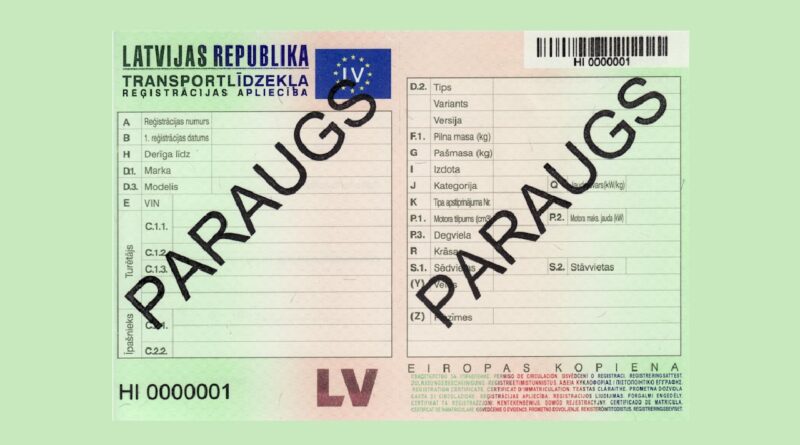
Vehicle registration certificate (technical passport)
Signed purchase agreement or invoice
Valid OCTA insurance policy
Technical inspection certificate if required
If the vehicle is purchased from a dealership, the dealer often handles some of this paperwork on behalf of the buyer.
However, for private sales both parties should double check that all documents are completed correctly before beginning the transfer process.
Step 2: Sign a Vehicle Purchase Agreement
Even though ownership is updated through CSDD, a written purchase agreement is still extremely important.
This document confirms:
The agreed sale price
Vehicle identification details
The date of sale
Buyer and seller details
A proper contract protects both parties in case of disputes.
Without a written agreement it may be difficult to prove when the vehicle changed ownership.
Step 3: Choose How to Transfer Ownership
There are two main ways to complete the ownership change in Latvia.
Option 1: Online Transfer Through e-CSDD
The fastest and most common method is the online system.
Both the buyer and seller log into the official e-CSDD portal and complete the digital transfer.
The process usually works as follows:
The seller logs in and initiates the ownership transfer request
The buyer logs in and confirms the transfer
The CSDD system updates the ownership record
Once confirmed, the vehicle is officially registered in the buyer’s name.
To access the system you will typically need:
Latvian eID
Smart-ID authentication
eParaksts secure login
The online system is widely used because it is quick and avoids visiting a government office.
Option 2: Transfer Ownership at a CSDD Office
Ownership can also be transferred in person at a CSDD branch.
Both the buyer and seller attend the office together with their identification and vehicle documents.
A CSDD employee will verify the paperwork and update the vehicle registration record.
The process usually takes only a few minutes once all documents are confirmed.
This option is useful if:
You do not have access to the online system
There are complications with the documents
You need assistance completing the process
Step 4: Pay the Ownership Transfer Fee
The ownership change process includes a small administrative fee.
The typical cost for transferring ownership in Latvia is around €4 to €5.
Additional fees may apply if:
New number plates are required
Vehicle registration documents must be reissued
Technical inspection is needed
Despite these small fees, the process remains relatively inexpensive compared with many other European countries.
Step 5: Ensure Insurance Is Active
Before the vehicle can be legally driven, it must have valid OCTA insurance.
OCTA is mandatory third-party liability insurance required for all vehicles in Latvia.
If the buyer does not arrange insurance, the vehicle cannot legally be used on public roads.
Insurance providers in Latvia allow policies to be activated online within minutes, making it easy to complete before driving the car.
Step 6: Check Technical Inspection Status
In Latvia vehicles must pass regular technical inspections.
If the inspection is expired, the new owner may need to schedule a new inspection at a CSDD testing centre.
The inspection checks:
Brakes
Suspension
Lights
Emissions
Vehicle safety systems
Inspection fees usually range between €30 and €50 depending on the vehicle type.
Step 7: Pay Vehicle Tax
| What | Approximate Cost |
|---|---|
| Ownership transfer | €4.27 |
| Technical inspection (if needed) | €30–€50 |
| Annual vehicle tax | Varies by car type |
Latvia also requires annual vehicle tax, which is calculated based on factors such as:
Engine size
CO₂ emissions
Vehicle weight
Vehicle age
This tax must be paid before the car can be used legally.
The amount varies widely depending on the vehicle.
Common Mistakes When Transferring Ownership
Even though the process is simple, several mistakes can cause problems later.
Not Completing the Transfer Immediately
Delaying the ownership update may result in fines or legal responsibility remaining with the seller.
Driving Without Insurance
Driving without OCTA insurance is illegal and can result in penalties.
Missing Documentation
Incomplete paperwork may prevent the ownership transfer from being processed.
Buying a Car Without Proper Checks
A car may appear legitimate but could have hidden issues such as accident damage or mileage discrepancies.
For this reason, many buyers arrange independent vehicle inspections before completing the purchase.
Exporting a Vehicle From Latvia
If the car is being exported to another country, the ownership transfer process includes additional steps.
These may include:
Temporary registration plates
Export documentation
Customs paperwork
The process can vary depending on the destination country.
Why Ownership Transfers Matter
Updating ownership is not just administrative paperwork. It protects both buyer and seller.
Once the transfer is complete:
The buyer becomes legally responsible for the vehicle
The seller is released from future liability
Insurance and tax records are updated
This ensures that the vehicle is legally registered and properly documented.
Final Thoughts
Changing car ownership in Latvia is one of the simplest vehicle registration processes in Europe. Thanks to the e-CSDD online system, most transfers can be completed within minutes. However, buyers should still ensure that the vehicle is properly documented and thoroughly checked before completing the purchase. Taking the time to verify the vehicle’s condition and paperwork can help avoid unexpected problems later. Buying a used car is a smart way to save money. Take your time, inspect everything, and when in doubt, get a professional pre purchase car inspection.
FAQs
How do you change car ownership in Latvia?
Car ownership is changed through the CSDD system either online via e-CSDD or in person at a CSDD office.
How much does it cost to transfer car ownership in Latvia?
The standard ownership transfer fee is usually around €4 to €5, although additional fees may apply depending on documentation or inspection requirements.
Can car ownership be transferred online in Latvia?
Yes. The e-CSDD portal allows both the buyer and seller to complete the ownership transfer digitally using secure identification.
Do both buyer and seller need to be present?
If the process is completed online, both parties confirm the transfer digitally. For in-person transfers both parties usually attend the CSDD office together.
Do you need insurance before transferring ownership?
The vehicle must have valid OCTA insurance before it can legally be driven after the ownership change.