How to Buy a Used Car on Motors: Your Guide to a Successful Purchase
Estimated reading time: 7 minutes
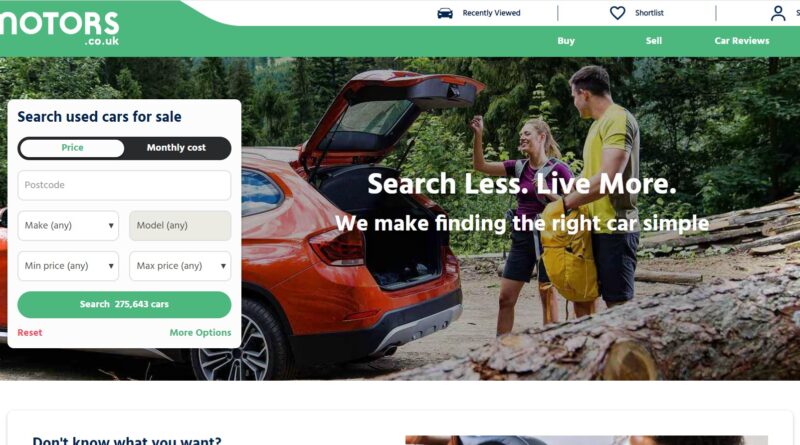
Buying a used car is one of the biggest financial decisions many drivers make. Online marketplaces have made the process easier by providing access to thousands of vehicles across the UK. One of the most popular platforms for finding used cars is Motors.co.uk. Motors allows buyers to search through listings posted by dealers and private sellers. With detailed filters, vehicle photos and seller contact options, it provides a convenient way to compare vehicles without visiting multiple dealerships. However, it is important to remember that Motors is a marketplace rather than a seller. The platform connects buyers with sellers but does not directly sell vehicles. Because of this, buyers must carry out proper checks to ensure the car is legitimate and in good condition. This guide explains how to buy a used car on Motors safely and how to reduce the risks associated with online vehicle purchases.
Understanding How Motors Works
Motors.co.uk operates as a vehicle listing platform where dealerships and private sellers advertise cars for sale. Buyers can browse vehicles across the country and filter listings based on different criteria. Unlike online car retailers that sell vehicles directly, Motors only hosts advertisements. Communication and negotiations take place between the buyer and the seller. Because Motors does not verify every vehicle listing in detail, it is the buyer’s responsibility to research the vehicle, check its history and inspect the car before purchasing. Understanding this structure helps buyers approach the platform more carefully and make better decisions.
Step 1 – Set a Realistic Budget
Before browsing listings, decide how much you can afford to spend. Many buyers focus only on the purchase price, but owning a car involves several additional costs.
These may include:
Insurance
Vehicle tax
Fuel costs
Maintenance and servicing
MOT testing
Unexpected repairs
Setting a realistic budget helps prevent overspending and ensures the vehicle remains affordable over time. For example, a slightly cheaper car with higher repair costs may end up costing more in the long run than a better maintained vehicle with a higher purchase price.
Step 2 – Decide What Type of Car You Need
Once you know your budget, the next step is deciding what type of vehicle suits your needs.
Think about the following factors:
How many passengers you usually carry
Fuel efficiency requirements
Driving environment such as city or motorway
Boot space and practicality
Reliability of specific models
For example, smaller hatchbacks are often ideal for city driving and lower running costs. Larger SUVs may offer more space and comfort but can cost more to run. Researching vehicle reliability and ownership costs can help narrow down your choices.
Step 3 – Browse Listings on Motors
Motors provides powerful search filters that allow buyers to refine results quickly.
You can filter vehicles by:
Make and model
Location
Price range
Mileage
Fuel type
Transmission
Vehicle age
Using these filters helps you quickly find vehicles that meet your requirements. It is usually best to shortlist three to five vehicles so you can compare them carefully. Review the listing descriptions, check the photos and note any details mentioned by the seller such as recent servicing or repairs. Be cautious if the listing contains very little information or poor quality images.
Step 4 – Check the Vehicle History
One of the most important steps when buying a used car is checking the vehicle history.
A vehicle history check can reveal issues such as:
Outstanding finance
Insurance write offs
Mileage discrepancies
Previous accidents
Number of previous owners
Many buyers assume that online listings contain accurate information, but this is not always the case. Independent history checks provide additional verification before you arrange a viewing. Even a basic history report can reveal serious problems that could otherwise remain hidden.
Step 5 – Research the Seller
Before contacting the seller, take time to research them.
If the seller is a dealership, check their reputation online. Look for:
Google reviews
Trustpilot ratings
Customer feedback
Dealer websites
A reputable dealership should have a clear business presence and positive reviews from previous customers. Private sellers may have less available information, so communication becomes more important. Ask questions about the vehicle history, maintenance records and reason for selling. Clear and honest responses are usually a good sign.
Step 6 – Contact the Seller and Ask Questions
Once you have identified a suitable vehicle, contact the seller for more information.
Ask questions such as:
How long they have owned the vehicle
Whether it has full service history
If any recent repairs or maintenance were carried out
Whether the car has any known faults
You should also request the registration number if it is not already visible in the listing so you can verify the vehicle history. Good communication helps establish trust and gives you a clearer picture of the vehicle before arranging a viewing.
Step 7 – Inspect the Vehicle in Person
Never purchase a used car without inspecting it first whenever possible.
When viewing the car, check:
Body panels and paint condition
Signs of rust or corrosion
Tyre condition and tread depth
Interior wear and functionality
Dashboard warning lights
Compare the car’s condition with the description in the listing. If there are differences, ask the seller for clarification.
This inspection stage often reveals issues that may affect the vehicle’s value or reliability.
Step 8 – Take the Car for a Test Drive
A test drive is essential when buying any used car.
While driving, pay attention to:
Engine noise and smoothness
Gear shifting
Steering responsiveness
Brake performance
Unusual vibrations
Drive the car at different speeds and conditions if possible. Mechanical issues often become noticeable only during driving. If the seller refuses a test drive without a valid reason, this may be a warning sign.
Step 9 – Arrange a Pre Purchase Inspection
If you are not confident in evaluating the vehicle yourself, arranging a professional pre purchase inspection is highly recommended.
Independent inspectors can identify issues such as:
Hidden accident damage
Engine problems
Electronic diagnostic faults
Suspension wear
An inspection report provides an objective assessment of the vehicle’s condition and can help you negotiate the price or avoid buying a problematic car.
Step 10 – Negotiate and Complete the Purchase
After completing all checks, you can negotiate the final price. Use any findings from your inspection or research as leverage during negotiations.
When finalising the purchase ensure you receive:
The V5C logbook
A receipt or bill of sale
Service history documentation
MOT certificate
Make payments using secure and traceable methods such as bank transfer. Always confirm that ownership transfer is completed correctly before handing over the full payment.
Final Thoughts
Motors.co.uk is a valuable platform for finding used cars across the UK. The wide selection of listings makes it easier to compare vehicles and find competitive prices. However, as with any online marketplace, buyers must take responsibility for verifying the vehicle and seller. By researching the car, checking its history, inspecting the vehicle and arranging professional inspections when necessary, you can significantly reduce the risks associated with buying a used car online. Taking your time and following a structured process helps ensure you find a reliable vehicle that meets your needs and budget.
FAQs
Is Motors.co.uk a car dealer?
No. Motors.co.uk is an online vehicle marketplace that lists cars from dealerships and private sellers. The platform does not sell vehicles directly.
Is it safe to buy a car from Motors?
Buying a car from Motors can be safe if buyers research the seller, check the vehicle history and inspect the car before completing the purchase.
Should I inspect a car before buying it on Motors?
Yes. A physical inspection and test drive are essential when buying a used car. They help identify problems that may not be visible in photos or descriptions.
What should I check before buying a used car online?
Buyers should verify the vehicle history, check MOT records, inspect the service history and confirm the seller’s reputation.
Can I negotiate the price when buying from Motors listings?
Yes. Negotiation is common in used car sales and many sellers expect buyers to discuss the final price.