How to Buy a Used Car from CarGurus A Guide to Finding Your Car
Estimated reading time: 6 minutes
Buying a used car online has become one of the most common ways to find your next vehicle. Platforms such as CarGurus have made it easier than ever to browse thousands of listings, compare prices and contact sellers quickly. However, buying a vehicle through an online marketplace still requires careful research and proper checks. CarGurus is a popular vehicle marketplace that connects buyers with dealerships and private sellers. The platform allows users to filter listings, compare vehicle prices and communicate with sellers directly. While these tools are useful, it is important to remember that CarGurus itself does not sell vehicles. It simply advertises listings posted by third-party sellers. This means the responsibility for verifying the vehicle, researching car seller and checking the car’s condition ultimately falls on the buyer. Taking the time to follow a structured process can help you avoid expensive mistakes and find a reliable vehicle. This guide explains how to buy a used car on CarGurus safely and confidently.
Understanding How CarGurus Works
Before starting your search, it is important to understand what CarGurus actually does. The platform acts as a marketplace where car dealers and private sellers advertise vehicles. Buyers can search for cars based on location, price, mileage and other criteria.
Unlike some online car retailers, CarGurus does not handle the transaction or vehicle delivery in most cases. Communication, negotiation and final payment usually take place directly between the buyer and the seller.
Because of this structure, buyers must carry out the same due diligence they would when purchasing from any other online marketplace.
Step 1 – Decide What Type of Car You Need
Before browsing listings, take time to determine what type of car suits your needs. Buying a vehicle without a clear plan can quickly become overwhelming due to the large number of available options.
Think about the following factors:
Your budget for the vehicle
Fuel type and fuel economy
Vehicle size and practicality
Insurance and running costs
Reliability of the make and model
For example, if you drive mainly in cities, a small petrol vehicle may be more practical. If you travel long motorway distances, a diesel or hybrid car might be more suitable.
Knowing exactly what you want helps narrow down the search and prevents unnecessary browsing.
Step 2 – Use CarGurus Filters to Find Suitable Vehicles
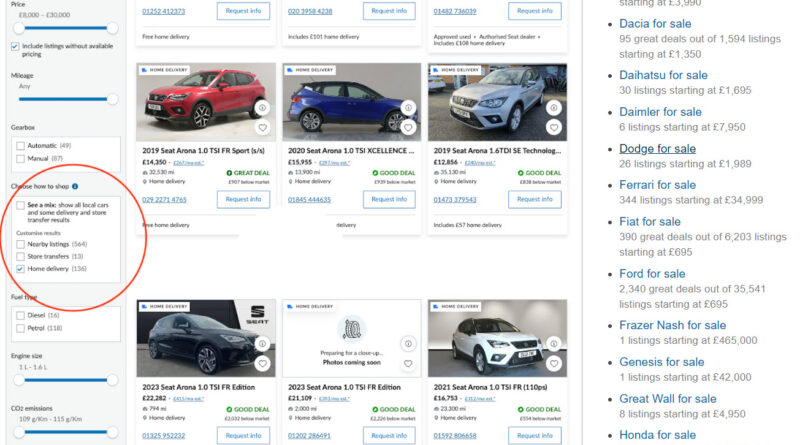
CarGurus offers a variety of search filters that help refine your results. You can search by:
Make and model
Price range
Mileage
Fuel type
Transmission
Vehicle age
Distance from your location
Using these filters allows you to quickly find vehicles that match your requirements. It is generally best to shortlist three to five vehicles so you can compare them properly. Take your time reviewing the listing details and photos carefully. Pay attention to vehicle mileage, service history, previous ownership and any signs of cosmetic damage shown in the photos.
Step 3 – Understand CarGurus Price Ratings
One of the tools CarGurus provides is the Instant Market Value (IMV) price comparison. This system compares the listing price to similar vehicles currently advertised.
Listings may be labelled as:
Great deal
Good deal
Fair deal
High price
While this tool can be useful, it should not be the only factor when evaluating a vehicle. A car priced slightly higher may still be a better purchase if it has:
Full service history
Low number of owners
Recent maintenance work
Excellent condition
Condition, maintenance and overall vehicle history are often far more important than the price comparison score alone.
Step 4 – Check the Vehicle History
Before arranging a viewing, always check the vehicle history. This step can reveal issues that are not visible in the listing.
Important checks include:
Outstanding finance
Insurance write-off status
Mileage discrepancies
Previous accidents
Number of previous owners
Unlike the US version of CarGurus, the UK platform does not typically provide full vehicle history reports directly within the listing. Buyers must use independent vehicle history services. These checks are relatively inexpensive but can prevent costly mistakes later.
Step 5 – Research the Seller
CarGurus listings may come from either private sellers or professional dealerships. Understanding who you are dealing with is important.
If the seller is a dealer, search their business online and review their reputation. Look for:
Customer reviews
Google ratings
Trustpilot reviews
Company history
For private sellers, the available information may be limited. In this case, communication becomes more important. Ask clear questions about the vehicle’s condition, service records and reason for selling.
A trustworthy seller should be willing to provide clear answers and documentation.
Step 6 – Arrange a Viewing and Test Drive
Never buy a used car without seeing it first whenever possible. Viewing the car allows you to confirm whether the listing description matches reality.
During the viewing, check:
Bodywork condition
Paint quality and panel alignment
Tyre wear and tread depth
Interior wear and cleanliness
Warning lights on the dashboard
A test drive is equally important. While driving the car, pay attention to:
Engine performance
Gear changes
Steering response
Brake effectiveness
Unusual noises or vibrations
Problems that only appear while driving can reveal underlying mechanical issues.
Step 7 – Consider a Professional Vehicle Inspection
One of the best ways to reduce risk when buying a used car is arranging a professional pre-purchase inspection.
Independent vehicle inspectors can identify issues such as:
Hidden accident damage
Engine faults
Diagnostic trouble codes
Suspension problems
Signs of poor maintenance
An inspection provides an objective report on the vehicle’s condition before you commit to the purchase. Many buyers use inspections to negotiate a better price or avoid buying a problematic vehicle altogether.
Step 8 – Negotiate the Price
Once you have completed your research and inspection, you can begin negotiating the price.
Use any findings from your checks as negotiation points. For example:
Upcoming servicing costs
Tyre replacement
Cosmetic damage
Mechanical repairs required
Negotiation is common in used car sales, and many sellers expect buyers to discuss price adjustments.
Step 9 – Complete the Purchase Safely
When finalising the purchase, ensure that all paperwork is completed correctly.
Important documents include:
Vehicle registration certificate (V5C logbook)
Bill of sale or purchase receipt
Service history records
MOT certificate
Avoid making payments through unusual or untraceable methods. Secure payment methods such as bank transfer or verified payment platforms are usually safer.
Always confirm the ownership transfer is completed properly before handing over full payment.
Final Thoughts
CarGurus is a useful platform for finding used vehicles, but it should be viewed as a search tool rather than a car dealer. The platform simply connects buyers and sellers. By researching the car, verifying the seller, checking vehicle history and arranging an inspection, buyers can significantly reduce the risks associated with purchasing a used car online. Taking the time to follow a careful process helps ensure you find a reliable vehicle that suits your needs and budget.
FAQs
Is CarGurus a car dealer?
No. CarGurus is an online marketplace that advertises vehicles listed by dealers and private sellers. The platform does not sell cars directly.
Are CarGurus price ratings accurate?
CarGurus price ratings compare a listing with similar vehicles on the market. However, the actual value of a car also depends on condition, maintenance history and specification.
Should I inspect a car found on CarGurus?
Yes. Always inspect a car before purchasing. A professional pre-purchase inspection can reveal hidden issues that may not be visible in the listing photos.
Can I negotiate the price on CarGurus listings?
Yes. Most sellers are open to negotiation, especially if you have evidence of required repairs or maintenance.
Is it safe to buy a car from CarGurus?
Buying a car from CarGurus can be safe if buyers perform proper checks, verify the seller, review vehicle history and inspect the car before completing the purchase.