How a Pre-Purchase Inspection Protects Your Money When Buying a Used Car
Buying a used car is one of the largest financial decisions many people make, recognised for the level of risk involved. Unlike new vehicles, used cars come with unknown history, wear patterns, and potential underlying faults that are not always visible at first glance. A pre-purchase inspection exists to reduce this risk by providing clarity before money changes hands. A professional inspection allows buyers to understand what they are actually purchasing, rather than relying on appearance, seller assurances, or limited test drives. In many cases, the cost of an inspection is small compared to the financial consequences of buying a vehicle with hidden problems. Understanding how inspections protect money requires looking beyond immediate repair costs and considering long-term ownership, negotiation power, and avoided inconvenience.
Understanding Financial Risk When Buying Used Cars
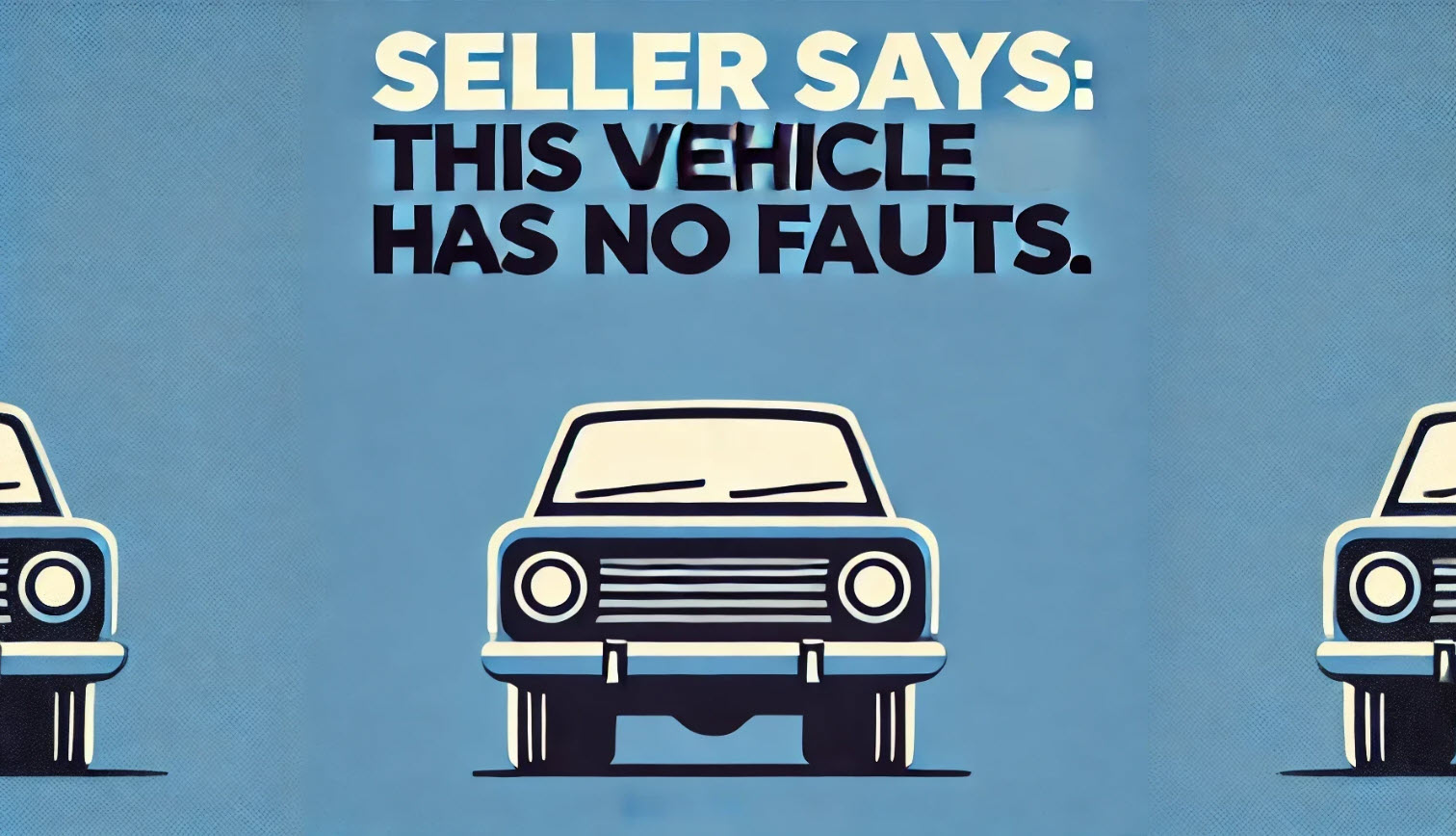
Every used car carries a degree of uncertainty. Even vehicles that appear well maintained may hide mechanical wear, corrosion, or electrical issues that develop over time. Sellers may not always be aware of these issues, and in some cases may choose not to disclose them. Without an inspection, buyers assume all financial risk from the moment the purchase is completed. Any fault discovered later usually becomes the buyer’s responsibility, regardless of whether it existed before the sale. A pre-purchase inspection shifts this balance by identifying risks early, allowing buyers to decide whether the potential costs align with the purchase price. Inspection you should do yourself to make sure your car is road legal – according to government.
Identifying Existing Mechanical and Structural Problems
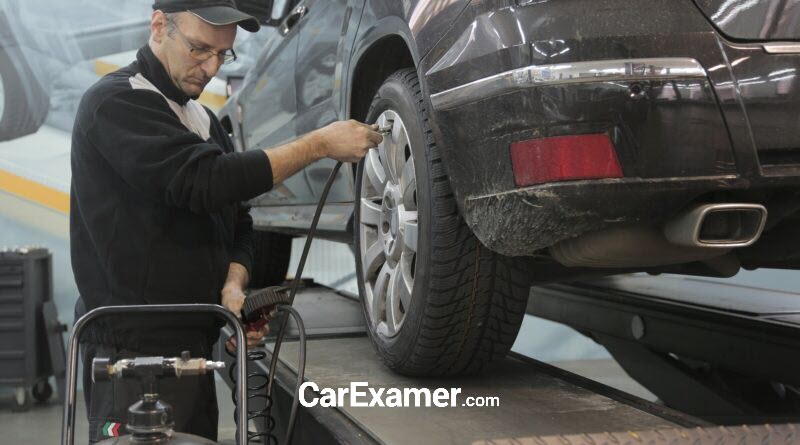
One of the most direct ways a pre-purchase inspection protects money is by identifying existing faults within the vehicle. These may include engine issues, suspension wear, braking problems, electrical faults, or signs of previous accident damage. Some problems are obvious, such as oil leaks or warning lights, but many are subtle and easy to miss without experience. Corrosion in structural areas, early gearbox wear, or suspension fatigue may not affect the car immediately but can lead to expensive repairs shortly after purchase.
By identifying these issues in advance, buyers avoid paying full price for a vehicle that already requires significant work.
Detecting Early Signs of Future Repairs
Inspections are not limited to identifying current faults. Experienced inspectors are trained to recognise early warning signs of problems that are likely to develop in the near future. Wear patterns, fluid contamination, ageing components, and stressed mechanical systems can all indicate future repair requirements. Timing components, suspension bushings, cooling systems, and exhaust components are common examples. Understanding these risks allows buyers to make realistic decisions about long-term ownership costs, rather than being surprised by major expenses within months of purchase.
Preventing Unexpected Repair Bills
Unexpected repairs are one of the most common reasons used car purchases become financially stressful. A fault discovered after purchase often requires immediate attention, especially if it affects safety or reliability. A pre-purchase inspection reduces the likelihood of these surprises by revealing issues before the transaction is completed. Even when repairs are unavoidable, knowing about them in advance allows buyers to factor costs into the purchase decision.
This alone can justify the cost of an inspection many times over.
Strengthening Price Negotiation
An inspection report provides objective evidence of a vehicle’s condition. This information is valuable during negotiations, particularly when issues are identified. If faults are discovered, buyers can request that repairs be completed before purchase or negotiate a reduced price to reflect the cost of work required. In both cases, the inspection helps ensure the buyer does not overpay for the vehicle. Without documented evidence, negotiating based on opinion alone is often ineffective. An inspection transforms concerns into verifiable facts.
Avoiding Overpriced Vehicles
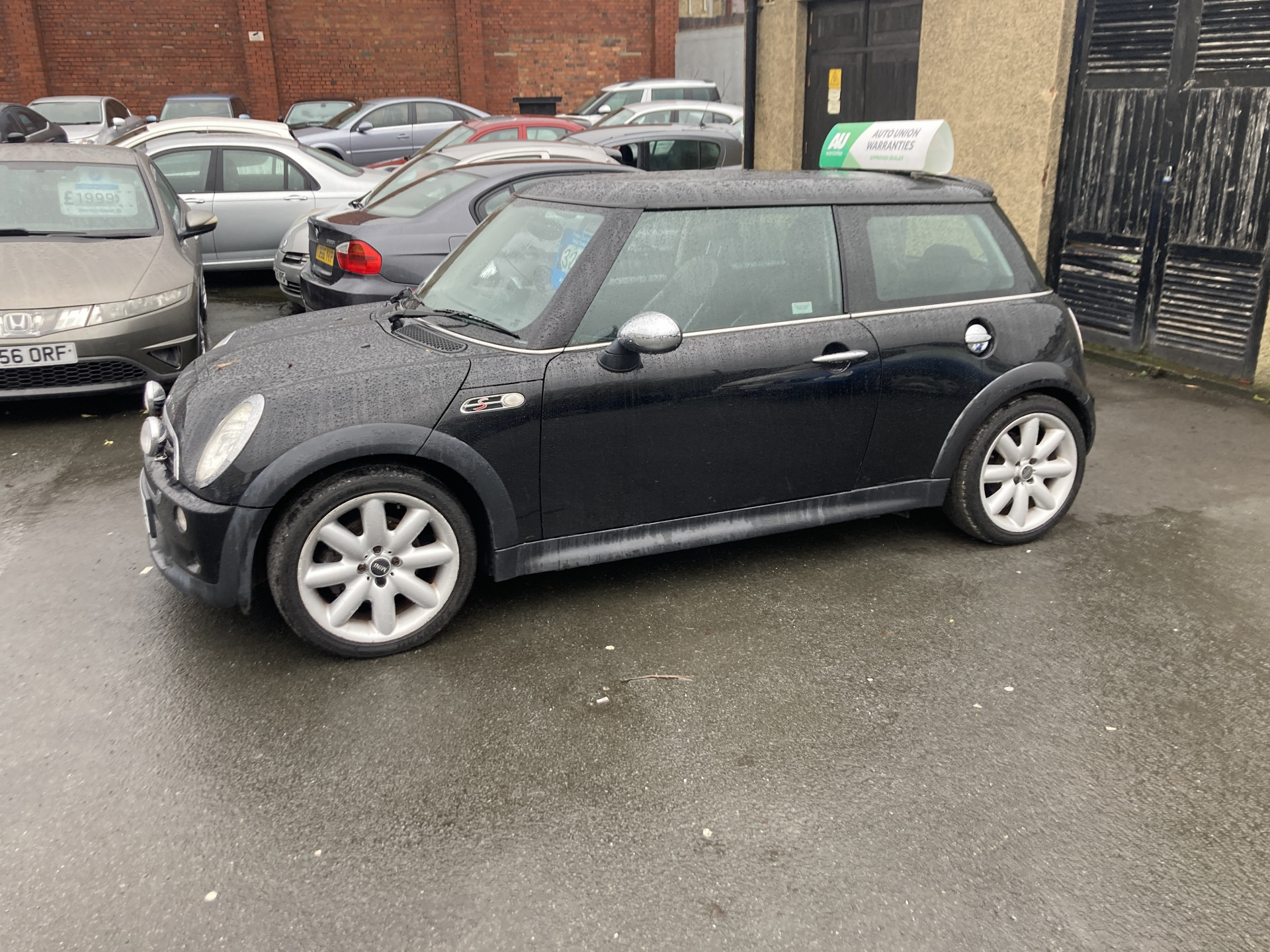
Some used vehicles are priced optimistically, relying on appearance or demand rather than condition. A clean exterior does not always reflect mechanical health. An inspection helps buyers determine whether the asking price aligns with the vehicle’s actual condition. In some cases, buyers discover that a vehicle is significantly overpriced once hidden issues are taken into account. Avoiding overpriced purchases is another important way inspections protect money.
Reducing Long-Term Ownership Costs
The financial impact of buying a used car extends beyond the initial purchase. Maintenance, repairs, and reliability all influence the total cost of ownership. Vehicles with hidden issues often require more frequent repairs, increased maintenance, and higher running costs. Inspections help buyers avoid vehicles that are likely to become expensive to own over time. Choosing a well-maintained vehicle with fewer hidden problems leads to more predictable and manageable ownership costs.
Saving Time and Avoiding Disruption
Financial protection is not limited to money alone. Time has value, and vehicle problems often lead to inconvenience that carries indirect costs. Unexpected breakdowns may result in missed work, delayed travel, or the need for alternative transport. Repair delays, parts availability, and garage scheduling can all add to disruption. By identifying potential issues before purchase, inspections reduce the likelihood of these situations arising, helping buyers avoid hidden time-related costs.
Minimising Stress and Uncertainty
Stress is an often overlooked consequence of poor vehicle purchases. Dealing with repeated repairs, unreliable transport, or disputes with sellers can quickly become overwhelming. A pre-purchase inspection reduces uncertainty by providing clear information about the vehicle’s condition. This clarity supports confident decision-making and reduces anxiety both before and after purchase. Confidence is a form of financial protection, as it prevents rushed decisions driven by pressure or emotion.
Avoiding High-Risk Sellers
Inspections can also reveal information about the seller. Most reputable sellers are willing to allow independent inspections. Reluctance to permit an inspection without valid reason may indicate undisclosed issues or poor transparency. Recognising this early allows buyers to walk away before committing financially. Avoiding high-risk sellers is one of the most effective ways to protect money when buying used vehicles.
Understanding Repair Responsibility Before Purchase
Once a used car is purchased, repair responsibility usually transfers entirely to the buyer. Even minor faults discovered shortly after purchase can become costly if not identified beforehand. An inspection clarifies responsibility before the transaction is completed. Buyers know exactly what they are accepting and can decide whether the risk is acceptable. This prevents disputes and financial frustration later.
Supporting Informed Decision-Making
Ultimately, inspections protect money by supporting informed decisions. Buying a used car without an inspection is often based on trust, assumptions, or incomplete information. An inspection replaces assumptions with evidence. Buyers can compare vehicles more accurately, assess risk realistically, and choose the option that best suits their budget and expectations.
This level of understanding is particularly important for higher-value vehicles, complex models, or long-term ownership plans.
Why Inspections Are a Financial Safeguard, Not an Expense
Many buyers view inspections as an added cost rather than a safeguard. In reality, inspections function as insurance against poor decisions. The cost of an inspection is usually small compared to the potential cost of repairs, depreciation, or ownership stress caused by buying the wrong vehicle. Seen in this context, inspections are an investment in financial protection rather than an unnecessary expense.
Summary
A pre purchase car inspection protects money by reducing uncertainty, identifying risks, and supporting fair pricing. It helps buyers avoid vehicles with hidden problems, negotiate more effectively, and plan for future ownership costs with greater accuracy. By preventing unexpected repairs, reducing long-term expenses, saving time, and avoiding high-risk sellers, inspections provide value that extends far beyond the point of purchase. For anyone buying a used vehicle, a pre-purchase inspection is one of the most effective ways to protect both finances and peace of mind.
FAQs
How does a pre-purchase inspection protect your money when buying a used car?
A pre-purchase inspection protects your money by identifying faults, hidden damage, and likely future repair costs before you buy. This helps you avoid overpaying and reduces the risk of unexpected bills after purchase.
Is a pre-purchase inspection worth it for a used car?
Yes, a pre-purchase inspection is usually worth it because the cost of the inspection is small compared with the cost of major repairs, poor purchases, or long-term reliability problems.
What problems can a pre-purchase inspection reveal?
A pre-purchase inspection can reveal engine faults, suspension wear, brake problems, structural corrosion, electrical faults, accident damage, and early signs of expensive repairs.
Can a pre-purchase inspection help negotiate the price?
Yes, an inspection report gives buyers objective evidence of the vehicle’s condition. This can be used to negotiate a lower price or request repairs before completing the purchase.
Does a clean-looking used car still need an inspection?
Yes, a vehicle that looks clean and well presented can still have hidden mechanical, structural, or electrical issues. Appearance alone does not confirm condition.
Can a pre-purchase inspection reduce long-term ownership costs?
Yes, inspections help buyers avoid poorly maintained vehicles that may require frequent repairs, higher maintenance spending, and greater long-term running costs.
Why do inspections matter when buying from a private seller?
Inspections matter because once the sale is complete, the buyer usually takes full responsibility for faults. An inspection helps identify risks before money changes hands.
Can a pre-purchase inspection detect future repair risks?
Yes, experienced inspectors can often identify early warning signs of future repairs, such as worn components, ageing parts, fluid contamination, or patterns of mechanical stress.
What if a seller refuses an independent inspection?
If a seller refuses an independent inspection without a valid reason, it may be a warning sign. Buyers should treat this as a risk indicator and proceed with caution.
Is a pre-purchase inspection an added cost or a financial safeguard?
A pre-purchase inspection is best viewed as a financial safeguard. It helps prevent expensive mistakes, supports informed decisions, and protects both money and peace of mind.