


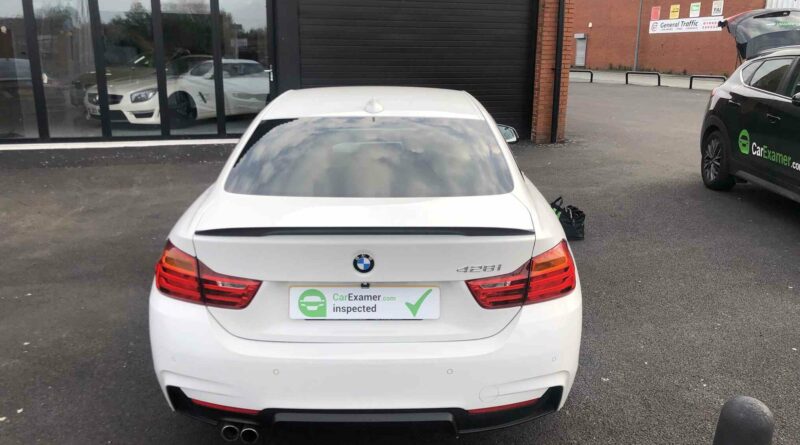
Guide to a Used BMW Pre Purchase Inspection
BMW vehicles are widely recognised for their performance, engineering quality, and driving dynamics, making them a popular choice in the used car market. However, modern BMWs are technically advanced and can be costly to repair if problems are overlooked. Carrying out a thorough BMW pre purchase inspection is essential to understand the vehicle’s true condition and to avoid unexpected expenses after purchase. This guide outlines the key areas that should be checked when inspecting a used BMW before buying.
Vehicle History and Documentation
Before inspecting the vehicle itself, its history should be reviewed carefully.
Key checks include Vehicle Identification Number verification, full service history and maintenance records, previous accident or insurance damage, ownership history, and confirmation that servicing has been carried out in line with BMW recommendations. A vehicle history check provides valuable insight into how the car has been used and maintained.
Engine and Powertrain Assessment
BMW engines are known for performance but require correct maintenance.
Inspection should assess cold start behaviour, idle smoothness, unusual noises or vibrations, oil or coolant leaks, correct fluid levels, and evidence of poor servicing or non-standard modifications.
The transmission, whether manual or automatic, should be checked for smooth gear changes, correct engagement, and hesitation under load. Any warning lights or irregular behaviour should be investigated.
Maintenance and Servicing Review
Correct maintenance plays a critical role in BMW reliability.
Inspection should confirm scheduled services completed on time, use of correct engine oil and fluids, timing chain or belt maintenance where applicable, and records of major repairs or component replacements.
Incomplete servicing or missing documentation can significantly increase ownership risk.
Exterior and Body Inspection
The exterior condition can reveal signs of previous damage or poor care.
Checks should include paint condition and colour consistency, panel alignment and body gaps, signs of corrosion, and evidence of accident repairs. Even minor cosmetic issues should be examined carefully, as they may indicate underlying problems.
Glass, lights, and exterior trim should also be checked for damage or poor fitment.
Interior Inspection
Interior condition should be consistent with the vehicle’s age and mileage.
Inspection should include seat condition and upholstery wear, dashboard condition and trim fitment, carpets and headlining, and operation of infotainment, climate control, and electronic features.
All switches, controls, and displays should function correctly, as interior electronics can be expensive to repair.
Electrical and Electronic Systems
Modern BMWs rely heavily on electronic systems.
Inspection should include dashboard warning lights, infotainment and navigation systems, driver assistance features where fitted, lighting systems, and diagnostic scans for stored fault codes.
Electrical issues can affect drivability, safety, and resale value.
Suspension and Steering
BMW suspension systems are designed to deliver precise handling.
Inspection should assess shock absorbers, springs, bushings, and joints for wear or leaks. Steering should feel responsive and stable, without excessive play, vibration, or knocking noises.
Uneven tyre wear may indicate suspension or alignment issues.
Braking System
The braking system is essential for safety and performance.
Checks should include brake disc and pad condition, calipers for corrosion or leaks, brake fluid condition, and brake response during a road test.
Any vibration, pulling, or warning messages should be investigated.
Undercarriage Examination
Inspection underneath the vehicle can reveal issues not visible from above.
Checks should include corrosion, fluid leaks, exhaust system condition, suspension mounting points, and underbody panels.
The undercarriage often highlights signs of heavy use or poor maintenance.
Road Test Evaluation
A road test is a vital part of the inspection process.
Evaluation should include engine performance, gearbox behaviour, steering response, suspension comfort, brake performance, and any unusual noises or vibrations.
The vehicle should feel composed, smooth, and predictable during normal driving.
Professional Inspection Consideration
While basic checks can be performed by a buyer, a professional inspection can provide greater reassurance. An experienced BMW specialist can identify issues that may not be immediately visible and provide a detailed assessment of the vehicle’s condition.
Final Thoughts on Buying a Used BMW
A pre purchase inspection is a crucial step when buying a used BMW. By carefully assessing the vehicle’s history, mechanical condition, electronics, interior, and road behaviour, buyers can make an informed decision with confidence. Taking the time to inspect a BMW properly helps reduce risk, avoid unexpected costs, and ensures a rewarding ownership experience.