


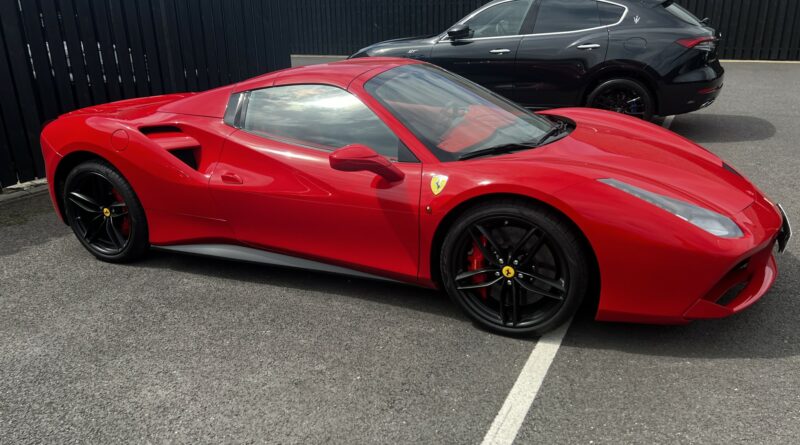
Comprehensive Guide to a Used Ferrari Pre-Purchase Inspection
Buying a used Ferrari is a significant and exciting decision. These cars are engineered to exceptional standards, but they are also complex, high-performance machines that require careful evaluation before purchase. A thorough pre-purchase inspection is essential to understand the true condition of the vehicle and to avoid costly surprises after ownership begins. This guide explains why a pre-purchase inspection is important when buying a used Ferrari and outlines the key areas that should be assessed before committing to a purchase.
Why a Pre-Purchase Inspection Is Essential for a Ferrari
Ferraris are renowned for their performance, design, and engineering, but their complexity means that even minor issues can lead to substantial repair costs. Age, mileage, driving style, servicing quality, and storage conditions all play a significant role in a Ferrari’s condition.
A Ferrari inspection helps to identify existing mechanical or electrical faults, detect signs of poor maintenance or incorrect repairs, highlight wear caused by aggressive driving or track use, assess future maintenance and repair requirements, and confirm whether the vehicle represents fair value.
An inspection reduces uncertainty and provides objective information before any financial commitment is made.
Vehicle History and Documentation
Before inspecting the vehicle itself, its history should be carefully reviewed.
Key checks include car history check, full service history and maintenance records, evidence of recalls or factory updates, previous accident or insurance damage, and ownership history and usage patterns.
A complete and well-documented service history is particularly important for a Ferrari, as missed or incorrect servicing can significantly affect reliability and value.
Exterior and Body Inspection
The exterior condition of a Ferrari can reveal a great deal about how it has been used and cared for.
Inspection should include paint condition and consistency across all panels, signs of respraying or colour mismatch, panel alignment and body gaps, evidence of accident repairs or structural damage, condition of carbon fibre or aluminium panels, and windscreen and glass for chips or cracks.
Any inconsistencies may indicate previous damage or substandard repairs.
Interior Condition
The interior should be assessed for both wear and correct operation.
Checks should include the condition of seats, upholstery, and stitching, wear on the steering wheel, pedals, and controls, dashboard condition and trim fitment, functionality of switches, displays, and controls, and any signs of water ingress or electrical issues.
Interior wear should be consistent with the vehicle’s age and mileage.
Engine and Drivetrain Inspection
The engine is the most critical component of any Ferrari.
Inspection should assess cold start behaviour and idle stability, unusual noises, rattles, or vibrations, oil leaks or signs of fluid contamination, condition of belts, hoses, and engine mounts, and exhaust system condition and sound.
The transmission and drivetrain should also be checked for smooth operation, correct gear engagement, clutch behaviour, and any abnormal noises under load.
Suspension and Steering
Ferrari suspension systems are finely tuned and expensive to repair.
Inspection should include shock absorbers and springs for leaks or wear, bushings and joints for play or deterioration, steering response and feedback, and signs of uneven tyre wear.
The vehicle should feel precise, stable, and composed, both at low speeds and during dynamic driving.
Braking System
Braking components are critical for safety and performance.
Checks should include brake disc and pad condition, calipers for leaks or corrosion, brake fluid condition, and brake response and pedal feel during driving.
Carbon ceramic brakes, if fitted, require particular attention due to replacement costs.
Electrical and Electronic Systems
Modern Ferraris rely heavily on advanced electronics.
Ferrari Inspection should include diagnostic scans for stored fault codes, instrument cluster warnings, lighting systems, infotainment and navigation systems, and driver assistance and performance settings.
Electrical faults can be time-consuming and costly to diagnose and repair.
Tyres and Wheels
Tyres and wheels should be checked for correct tyre specification and age, uneven or excessive wear, wheel damage or cracking, and proper alignment.
Incorrect tyres or poor alignment can affect handling and indicate suspension issues.
Road Test and Diagnostics
A comprehensive inspection should include a controlled road test, evaluation of acceleration, braking, steering, and gearbox behaviour, monitoring engine temperatures and performance, and full diagnostic scans before and after the drive.
This helps identify issues that may not be visible during static inspection.
Inspection Report and Findings
Following the inspection, a detailed report should be produced outlining identified faults or concerns, severity and urgency of issues, recommended repairs or maintenance, and an overall assessment of the vehicle’s condition.
This information is valuable when deciding whether to proceed with the purchase or renegotiate the price.
Final Thoughts on Buying a Used Ferrari
A pre-purchase inspection is an essential step when buying a used Ferrari. These vehicles offer an exceptional driving experience, but only when they have been properly maintained and correctly assessed before purchase.
By carefully evaluating the vehicle’s history, mechanical condition, electronics, and overall integrity, buyers can make an informed decision and enjoy Ferrari ownership with confidence and clarity.