Why is it important to check a used Koenigsegg before buying
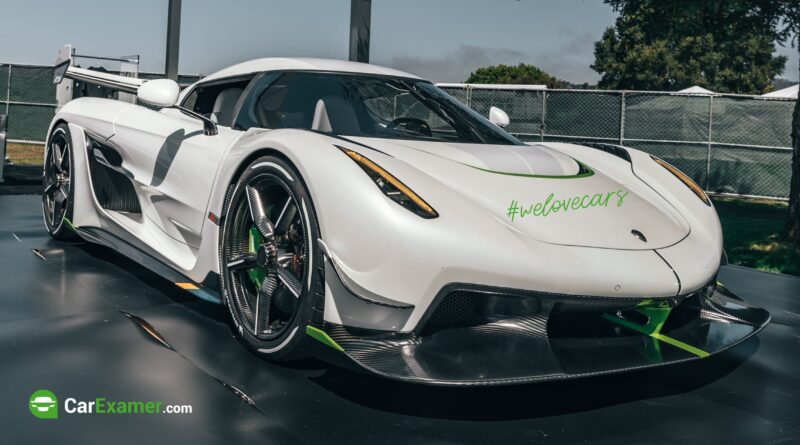
Owning a Koenigsegg is one of the rarest achievements in the automotive world. These hypercars are produced in extremely limited numbers and represent the cutting edge of engineering, performance, and design. Whether you are considering a Jesko, Regera, Agera, or CC series model, buying a used Koenigsegg is a significant investment that demands absolute precision in due diligence. Unlike conventional vehicles, Koenigsegg hypercars are built using bespoke carbon fibre structures, advanced aerodynamics, and highly specialised powertrains. This level of engineering means that even minor faults can result in extremely high repair costs. A comprehensive inspection check is therefore essential to confirm the vehicle’s authenticity, condition, and long-term viability.
Why a Pre Purchase Inspection Is Essential for a Used Koenigsegg
Koenigsegg vehicles are engineered to operate at the limits of performance. Their complexity and rarity mean that maintenance and repairs require specialist knowledge and access to manufacturer-level expertise. A detailed inspection helps to identify hidden mechanical or electronic faults, confirm authenticity and factory specification, detect accident damage or incorrect repairs, assess wear on high-performance components, understand future maintenance requirements, and support valuation and negotiation. Skipping this process can expose buyers to significant financial risk, particularly given the bespoke nature of Koenigsegg parts and limited availability of replacements.
Vehicle History and Provenance
Before inspecting the car itself, the vehicle’s history must be verified thoroughly. Key checks include Vehicle Identification Number verification, full service history, factory build records, ownership history, maintenance carried out by authorised specialists, and confirmation of originality. Koenigsegg vehicles often have detailed factory records, and any gaps or inconsistencies should be treated with caution. A full vehicle history check is essential to confirm that the car has not been involved in major accidents, theft, or financial disputes. Provenance is particularly important for hypercars, as originality and documented history directly affect long-term value.
Exterior and Carbon Fibre Body Inspection
Koenigsegg vehicles are constructed primarily from advanced carbon fibre composites, which require specialist inspection. Checks should include carbon fibre panels for cracks, chips, delamination, or repairs, lacquer finish consistency, panel alignment and fitment, condition of aerodynamic components, and signs of previous damage or repainting. Carbon fibre repairs can be extremely costly and difficult to detect without expert knowledge. Even minor imperfections may indicate deeper structural concerns.
Wheels, Tyres, and Aerodynamics
Koenigsegg hypercars rely heavily on precise aerodynamics and tyre performance. Inspect wheel condition for cracks or damage, confirm correct tyre specification and manufacturer approval, check tyre age and even wear, and assess aerodynamic components such as splitters, diffusers, and active wings. Incorrect tyres or damaged aerodynamic components can significantly affect handling and safety at high speeds.
Engine and Powertrain Inspection
The engine is a core component of any Koenigsegg. Inspection should assess cold start behaviour, idle stability, unusual noises, oil or coolant leaks, condition of hoses and fittings, and correct fluid levels. Koenigsegg engines are often hand-built and highly tuned. Any signs of neglect, overheating, or modification should be investigated thoroughly.
Transmission and Drivetrain Assessment
Koenigsegg transmissions are engineered for extreme performance and precision. Checks should include smooth gear engagement, absence of hesitation or jerking, consistent power delivery under load, and no abnormal noises during acceleration or deceleration. Given the performance levels involved, drivetrain issues can be extremely expensive to repair and must not be overlooked.
Suspension and Handling Systems
Koenigsegg suspension systems are designed to deliver exceptional control and responsiveness. Inspection should assess shock absorbers, springs, bushings, and joints for wear or leaks, steering precision and feedback, ride height consistency, and any signs of uneven tyre wear. Many models feature advanced or adjustable suspension systems, which should be tested across all modes.
Braking System
The braking system must perform flawlessly given the extreme speed capabilities of Koenigsegg vehicles. Checks should include brake disc and pad condition, caliper integrity, brake fluid condition, and braking performance during testing. Carbon ceramic braking systems require particular attention due to their high replacement cost.
Electrical and Electronic Systems
Koenigsegg vehicles incorporate advanced electronics and control systems. Inspection should include dashboard warnings, lighting systems, infotainment functionality, sensors and control modules, climate control operation, and diagnostic scans for stored fault codes. Electrical faults in hypercars can be complex and require specialist equipment to diagnose.
Interior and Bespoke Features
Koenigsegg interiors are highly customised and reflect the owner’s specification. Inspection should include seat condition and upholstery, carbon fibre interior components, controls and displays, infotainment systems, and bespoke features unique to the vehicle. Interior restoration can be challenging due to custom materials and limited replacement availability.
Undercarriage Examination
If possible, the vehicle should be raised for a full underbody inspection. Checks should include chassis condition, suspension mounting points, exhaust system, underbody panels, and signs of impact damage or fluid leaks. Due to low ride height, undercarriage damage is a common risk area.
Road Test Evaluation
A controlled road test is essential to assess real-world performance. Evaluation should include engine response, transmission behaviour, steering precision, braking performance, suspension response, and overall drivability. The vehicle should deliver smooth, controlled, and precise performance consistent with Koenigsegg standards.
Common Mistakes When Buying a Used Koenigsegg
Buyers often underestimate the importance of specialist inspections. Relying on visual condition alone is a major mistake. Another common issue is failing to verify provenance and originality, which can significantly affect value. Ignoring small faults or warning signs can lead to substantial repair costs later. Buyers may also overlook the importance of correct tyres and servicing history, both of which are critical for hypercar performance.
Professional Inspection Requirement
A professional vehicle inspection is not optional when buying a Koenigsegg. It is essential. Only specialists with experience in hypercars and access to manufacturer-level diagnostics should be used. A professional inspection provides a detailed report, identifies hidden issues, and supports informed decision-making.
Final Thoughts on Buying a Used Koenigsegg
A used Koenigsegg represents the pinnacle of automotive engineering and exclusivity. However, its complexity and rarity demand absolute diligence before purchase. By conducting a comprehensive pre purchase inspection, buyers can protect their investment, reduce risk, and ensure their ownership experience reflects the exceptional standards of the Koenigsegg brand.
FAQs
What does a Koenigsegg pre purchase inspection include?
It includes checks of carbon fibre bodywork, engine, transmission, suspension, braking system, electronics, interior, undercarriage, vehicle history, and a road test.
Is a pre purchase inspection necessary for a used Koenigsegg?
Yes, it is essential due to the complexity, rarity, and extremely high repair costs of Koenigsegg vehicles.
How much does a Koenigsegg pre purchase inspection cost?
The cost typically ranges from 1000 to 3000 pounds depending on inspection depth and specialist expertise.
What are common issues in used Koenigsegg cars?
Common concerns include carbon fibre damage, suspension wear, brake system condition, electronic faults, and signs of improper maintenance.
Can hidden faults be detected during inspection?
A specialist inspection can identify most hidden faults using advanced diagnostics and detailed physical checks.
How long does a Koenigsegg inspection take?
A full inspection can take several hours to a full day depending on the level of detail.
Do I need a Koenigsegg specialist?
Yes, specialist expertise is required due to the bespoke engineering and complexity of the vehicle.
Can inspection results affect the value?
Yes, inspection findings can significantly impact valuation due to rarity and collectability.