Buying Used Electric Car: what to know
As the automotive industry embraces the electric revolution, more drivers are considering the purchase of used electric cars. Buying a used electric vehicle (EV) can be a smart choice if you drive very local and not often, offering eco-friendly transportation at a potentially more affordable price point than a new electric car. In this comprehensive guide, we’ll explore key considerations and tips for buying a used electric car. Servicing costs. Electric car is becoming more and more common in the UK. With an increase in sales of EVs more than 80% greater than 2020, more and more of us are looking to make the switch, and for many still, that switch is all about the used electric vehicle, or EV, market. The process for actually buying a used electric car is relatively similar to buying a typical combustion engine vehicle. The differences and small tips that do exist however really make the whole process a lot easier. As we inspect so many of them when people are making the switch, it only stands to reason that we have exactly the advice you need to do it.
1. Understand Your Driving Needs:
- Evaluate your daily commuting distance, charging infrastructure in your area, and any long-distance travel requirements. This assessment will help you determine the ideal electric car range for your needs. It can work if you don’t use vehicle often and most journeys are very local it can work very well. Problems of inconvenience you will start exploring if you have to make long journeys you will have to plan your journey more carefully than usually and allow more time overall due to charging takes longer than standard fuel refill.
2. Research Available Models:
- Explore various electric car models on the market. Consider factors such as range, charging capabilities, performance, and available features. Researching different models will help you make an informed decision based on your preferences and requirements. Check for biggest high voltage range available for vehicle you consider. How electric cars work. Here is five cheapest electric cars.
3. Check the Battery Health:
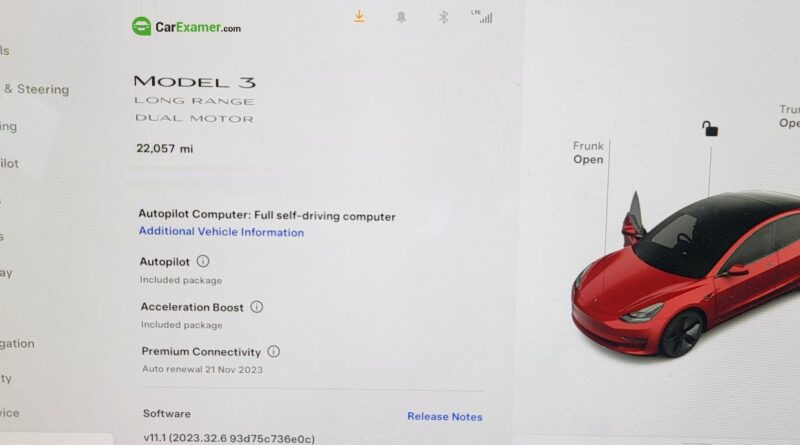
- The battery is a critical component of an electric car. Check the battery health and inquire about its warranty status. Some manufacturers offer extended warranties on batteries, providing added peace of mind for used EV buyers. Always ask seller to charge battery fully before viewing vehicle to to understand range after road test and compare to original range. It will give you dynamic assessment on health after road test on tesla models you can check deterioration of the battery in settings.
4. Verify Charging Options:
- Confirm the charging options available for the used electric car. Check if it supports fast charging and research the availability of public charging stations in your area. Understanding the charging infrastructure will help you plan your charging needs effectively.
5. Review Maintenance Records:
- Request maintenance records for the electric car you’re considering. Regular maintenance, including software updates and battery checks, is essential for optimal EV performance. A well-documented service history is a positive indicator of the vehicle’s care.
6. Inspect the Electric Car:
- Conduct a thorough inspection of the used electric car. Pay attention to the condition of the tires, brakes, and interior. Check for any signs of wear or damage. Additionally, inspect the charging port and cable for any issues. Make a booking here.
7. Test Drive the Electric Car:
- Schedule a test drive to experience the electric car’s performance firsthand. Pay attention to acceleration, braking, and overall handling. Use the test drive as an opportunity to assess the comfort and features of the vehicle.
8. Understand Warranty Coverage:
- Review the remaining warranty coverage on the used electric car. Manufacturers typically offer warranties on various components, including the battery and electric drivetrain. Be aware of the warranty duration and coverage specifics.
9. Research Incentives and Rebates:
- Check for any incentives or rebates available for used electric car purchases. Some regions offer financial incentives to encourage the adoption of electric vehicles. Explore potential savings based on your location.
10. Consider a Pre-Purchase Inspection:
- This is where things like seller profiles and vehicle conditions really come into play. After all, you want to buy safely or you could end up with serious regrets.
- Electric vehicles do have their problem areas, just like all cars do, but with the right know-how and a bit of online research, you can check for some of the simpler areas yourself, like wear and tear or the legal and financial standing of the vehicle, or you can hire a specialist inspection service like CarExamer to do it all for you too.If possible, consider arranging a pre-purchase inspection by a qualified mechanic or an EV specialist. This inspection can provide valuable insights into the overall condition of the electric car and identify any potential issues.
11. Negotiate the Price:
- Negotiate the price based on the electric car’s condition, mileage, and any additional features. Research the market value of the specific model to ensure you’re getting a fair deal.
12. Plan for Home Charging:
- If you have the option for home charging, plan for the installation of a home charging station. This convenience can enhance your overall electric car ownership experience. The final step in the used electric car buying princess is to understand how the charging system works, and how it will fit into everyday life. You can of course have facilities installed in your house, but you can also often look into having them installed at work too. Many of these options are actually subsided by the government, at least to some extent.
- There are also specific energy packages out there for EV owners as well to help reduce charging costs instead of using standard energy tariffs which can be very useful. The same goes for setting up accounts for public charging facilities too, and many of these will need you to have a smart charging system account in place before you’re able to use them. Aside from these, you then have charging stations located at specific sites and at fuel stations too, often using their own simple systems, or just contactless payments like fuel does currently.
Conclusion: Buying a used electric car requires careful consideration of various factors, from battery health to charging infrastructure. By conducting thorough research, inspecting the vehicle, and understanding your driving needs, you can make an informed decision and enjoy the benefits of eco-friendly and cost-effective electric transportation. As the used electric car market continues to grow, more opportunities arise for environmentally conscious buyers to embrace sustainable mobility.
FAQs
How long do electric cars last?
Electric cars can last many years when properly maintained. Most modern EV batteries are designed to last well over 100,000 miles, and many continue operating efficiently for a decade or longer. Advances in battery technology and software management continue to improve durability and long term reliability.
How do electric cars perform compared to petrol vehicles?
Electric vehicles often deliver strong performance because electric motors provide instant torque. This means rapid acceleration from low speeds, smooth power delivery, and quiet operation. Many EVs also benefit from a lower centre of gravity due to battery placement, which can improve stability and handling.
Which electric car is the best?
The best electric car depends on your needs and preferences. Some drivers prioritise range and performance, while others focus on affordability or practicality. Popular electric models include vehicles from Tesla, Audi, BMW, Volkswagen and Porsche, each offering different strengths.
Are electric cars cheaper to run long term?
In many cases electric cars can be cheaper to run than petrol or diesel vehicles. Electricity generally costs less than fuel, EVs have fewer moving parts which may reduce maintenance costs, and some models retain strong resale value depending on demand and battery condition.