


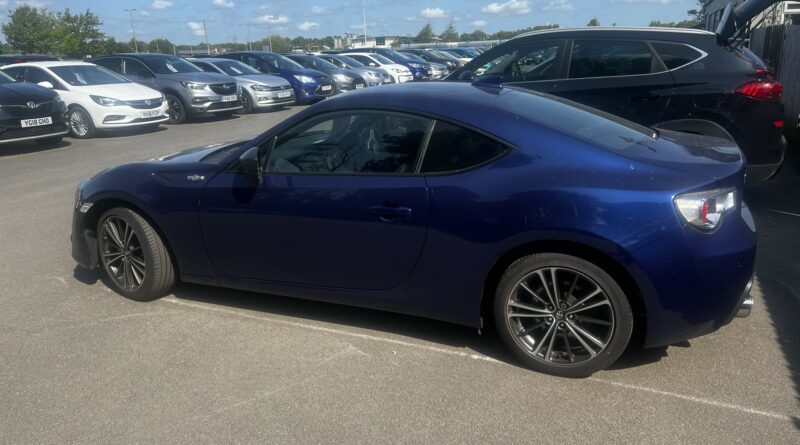
Comprehensive Guide to a Used Toyota Pre-Purchase Inspection
Toyota vehicles have earned a global reputation for reliability, durability, and long-term ownership value. From small city cars and family hatchbacks to SUVs, hybrids, and commercial vehicles, Toyota models are widely trusted by private buyers, businesses, and fleet operators. While Toyotas are known for their dependability, buying a used Toyota still requires careful inspection to ensure the vehicle has been maintained correctly and is free from hidden issues. A pre-purchase inspection provides an objective assessment of the vehicle’s condition and helps buyers avoid unexpected repair costs after purchase. This guide explains what a used Toyota pre-purchase inspection involves and highlights the key areas that should be checked before making a buying decision.
Why a Used Toyota Pre-Purchase Inspection Is Important
Although Toyota vehicles are engineered for longevity, no used car is completely risk-free. Age, mileage, driving conditions, servicing quality, and previous ownership all influence the condition of a used Toyota.
A pre-purchase inspection allows buyers to identify existing mechanical or electrical issues, assess wear caused by previous use, understand future maintenance needs, confirm safety and reliability, and make a confident and informed purchase decision. It also reduces financial risk by identifying issues before money changes hands.
Understanding What a Vehicle Inspection Is
A vehicle inspection is a structured examination of a car’s mechanical, structural, and cosmetic condition. It goes beyond a simple visual check and assesses how the vehicle has been used, maintained, and repaired over time.
For a used Toyota, an inspection focuses on durability-critical components such as the engine, gearbox, suspension, brakes, and electrical systems, as well as overall condition and documentation. The goal is to provide clarity on the vehicle’s true state rather than relying on assumptions or seller claims.
Vehicle History and Documentation
Before inspecting the vehicle itself, documentation should be reviewed carefully.
Key checks include Vehicle Identification Number verification, full service history, MOT history, ownership records, confirmation of manufacturer recalls or software updates, and evidence of accident or insurance damage. A complete service record showing regular maintenance in line with Toyota schedules is a strong indicator of responsible ownership.
Documentation helps verify mileage accuracy and confirms whether the vehicle has been properly cared for throughout its life.
Importance of a Vehicle History Check
A vehicle history check is an essential step when buying a used Toyota.
While Toyotas are often considered low-risk purchases, history checks can reveal issues that are not visible during a physical inspection. A history check can confirm whether the vehicle has been written off, stolen, subject to outstanding finance, or involved in serious accidents. It can also highlight mileage discrepancies and changes in ownership patterns.
Toyota vehicles are frequently used for fleet, delivery, or private hire work, which can increase wear levels. A history check helps identify usage types that may not be disclosed by the seller.
Exterior and Bodywork Inspection
The exterior condition provides valuable insight into how the Toyota has been used and stored.
Inspection should include checking for dents, scratches, rust, and signs of corrosion, particularly around wheel arches, sills, and door edges. Paintwork should be consistent across panels, with no obvious mismatches or overspray that may indicate previous repairs.
Panel alignment and body gaps should be even, as uneven gaps may suggest accident damage or poor-quality repairs. Glass, mirrors, lights, and trim should also be checked for cracks, chips, or damage.
Interior Condition Assessment
The interior should reflect the vehicle’s age and mileage.
Inspection should include checking seats, upholstery, dashboard, door panels, carpets, and headlining for excessive wear, stains, or damage. Controls, switches, and buttons should feel secure and operate correctly.
All interior features such as air conditioning, heating, infotainment systems, power windows, mirrors, and central locking should be tested. Interior condition often reflects how well the vehicle has been cared for overall.
Engine and Mechanical Inspection
Toyota engines are known for durability, but correct maintenance remains essential.
Inspection should assess cold start behaviour, idle smoothness, unusual noises or vibrations, oil or coolant leaks, and overall engine cleanliness. Fluid levels including engine oil, coolant, brake fluid, and power steering fluid should be checked for correct levels and condition.
The engine should start easily, idle smoothly, and respond cleanly to throttle input. Any warning lights or irregular behaviour should be investigated further.
Hybrid and Electric Toyota Considerations
Many Toyota models use hybrid technology.
Hybrid inspections should include assessing battery condition, charging behaviour, cooling systems, and transition between electric and petrol operation. Warning messages related to hybrid systems should never be ignored.
Battery condition plays a key role in long-term ownership costs, and identifying issues early can significantly reduce financial risk.
Transmission and Drivetrain
Toyota transmissions are generally robust but still require inspection.
Manual gearboxes should allow smooth gear changes without grinding, and the clutch should engage progressively. Automatic and CVT transmissions should operate smoothly without hesitation, jolting, or excessive noise.
Any slipping, delayed engagement, or warning lights should be considered a potential concern.
Suspension and Steering
Suspension components wear over time and affect comfort, handling, and safety.
Inspection should include shock absorbers, springs, bushings, control arms, and ball joints. The vehicle should sit level, and steering should feel stable and responsive without knocking noises or excessive play.
Uneven tyre wear may indicate suspension or alignment issues.
Braking System
The braking system is critical for safety.
Checks should include brake disc and pad condition, brake fluid level and condition, calipers for corrosion or leaks, and brake performance during a test drive. The brakes should feel smooth, responsive, and consistent.
Any vibration, pulling, or noise during braking should be investigated.
Electrical and Electronic Systems
Modern Toyota vehicles rely on multiple electronic systems.
Inspection should include dashboard warning lights, lighting systems, infotainment and navigation, climate control, sensors, and driver assistance features where fitted. Diagnostic scans can help identify stored or intermittent fault codes.
Electrical issues can affect reliability and safety if not addressed.
Tyres and Wheels
Tyres and wheels should be checked carefully.
Inspection should include tread depth, tyre age, even wear, and correct specification. Wheels should be checked for cracks, bends, or corrosion. Poor tyre condition can affect braking, handling, and fuel efficiency.
Undercarriage Examination
If possible, inspect underneath the vehicle.
Look for corrosion, fluid leaks, exhaust system damage, worn suspension components, and impact marks. The undercarriage often reveals issues not visible during a standard visual inspection.
Test Drive Evaluation
A test drive is an essential part of the inspection process.
During the drive, assess engine performance, gearbox behaviour, steering feel, braking response, suspension comfort, and overall drivability. The vehicle should feel smooth, predictable, and stable.
Listen for unusual noises, vibrations, or warning messages during the drive.
Common Toyota Ownership Mistakes to Avoid
One common mistake buyers make is assuming all Toyotas are trouble-free without inspection. Even reliable vehicles can suffer from neglect or poor maintenance.
Another mistake is skipping a vehicle history check or failing to review service records properly. Buyers may also overlook warning lights or minor noises, assuming they are insignificant.
Avoid focusing solely on price while ignoring condition. A cheaper Toyota with unresolved issues can cost more in the long run than a well-maintained example.
Professional Inspection Consideration
While basic checks can be carried out by buyers, a professional pre-purchase inspection provides additional reassurance. Experienced inspectors can identify issues that may not be obvious during a casual inspection and provide clear, unbiased reporting.
Professional inspections are particularly valuable for higher-mileage vehicles or hybrid models.
Final Thoughts on Buying a Used Toyota
A pre-purchase car inspection is a sensible and important step when buying a used Toyota. By carefully assessing documentation, mechanical condition, interior and exterior quality, electronic systems, and road behaviour, buyers gain a clear understanding of the vehicle’s true condition.
Investing time in a proper inspection helps reduce risk, avoid unexpected expenses, and ensures reliable, long-term ownership of a used Toyota.
FAQs
What is a Toyota pre-purchase inspection?
A Toyota pre-purchase inspection is a detailed assessment of a used Toyota’s mechanical condition, safety systems, exterior, interior, and service history. It helps buyers understand the vehicle’s true condition before committing to a purchase.
Is a pre-purchase inspection necessary for a used Toyota?
Yes. Although Toyota vehicles are known for reliability, wear, mileage, and maintenance history vary. An inspection helps identify hidden issues, confirm proper servicing, and reduce the risk of unexpected repair costs.
What does a Toyota pre-purchase inspection typically include?
A Toyota inspection usually includes checks of the engine, transmission, suspension, brakes, tyres, electrical systems, interior condition, exterior bodywork, undercarriage, and a road test. Vehicle history and service records are also reviewed.
Should I get a vehicle history check when buying a used Toyota?
Yes. A vehicle history check confirms whether the Toyota has been written off, stolen, subject to outstanding finance, or has mileage discrepancies. It provides information that cannot be identified through a physical inspection alone.
Are Toyota hybrid vehicles different to inspect?
Yes. Toyota hybrid inspections include additional checks of the hybrid battery system, cooling components, warning lights, and smooth operation between electric and petrol modes. Hybrid service history is especially important.
Can I inspect a used Toyota myself?
Basic checks can be carried out by a buyer, but a professional inspection provides a deeper and more accurate assessment. Modern Toyota vehicles use complex electronic and hybrid systems that may require specialist tools and experience.
What problems are commonly missed when buying a used Toyota?
Commonly missed issues include suspension wear, brake condition, tyre mismatches, incomplete service history, warning lights that have been cleared temporarily, and unresolved recalls or software updates.
Does mileage matter on a used Toyota?
Mileage is important, but maintenance history matters more. A higher-mileage Toyota that has been serviced correctly can be a better choice than a low-mileage vehicle with poor or inconsistent maintenance.
When should a Toyota pre-purchase inspection be carried out?
An inspection should be completed before final payment or contract completion. This allows buyers to make an informed decision or renegotiate if issues are found.
Does a pre-purchase inspection guarantee a fault-free car?
No inspection can guarantee a fault-free vehicle, but it significantly reduces risk by identifying current issues, wear, and potential future concerns before purchase.