


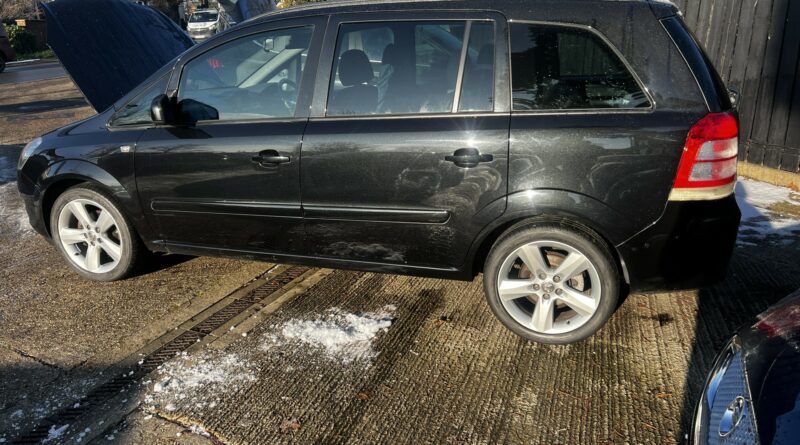
A Guide To Used Vauxhall Pre Purchase Inspection
Vauxhall vehicles are popular in the UK for their practicality, affordability, and ease of ownership. When considering the purchase of a used Vauxhall, carrying out a thorough pre-purchase inspection is essential to confirm its reliability, overall condition, and suitability for your needs. A detailed inspection helps provide clarity on the vehicle’s condition and reduces the risk of unexpected repairs after purchase. This guide outlines the key areas that should be checked when inspecting a used Vauxhall before buying.
Vehicle History and Documentation
Before inspecting the vehicle itself, its history should be reviewed carefully.
Key checks include Vehicle Identification Number verification, full service history and maintenance records, previous accident or insurance damage, MOT history, and ownership history. A complete service record and clean history provide valuable insight into how well the vehicle has been maintained.
Exterior Inspection
Begin by inspecting the exterior of the vehicle.
Check for dents, scratches, corrosion, or signs of poor repairs. Paintwork should be consistent across all panels, and body panels should align correctly. Any mismatched paint or uneven gaps may indicate previous accident damage.
Glass, mirrors, and exterior trim should be checked for cracks or damage, and all exterior lights should be tested to ensure they function correctly.
Tyres and Wheels
Inspect the tyres for tread depth, age, and even wear.
Uneven tyre wear may indicate alignment or suspension issues. Wheels should be checked for cracks, bends, or corrosion, and all wheel nuts should be present and secure.
Engine and Under-Bonnet Inspection
Open the bonnet and inspect the engine bay.
Look for oil or fluid leaks, damaged or loose hoses, worn belts, and signs of poor maintenance. Check fluid levels including engine oil, coolant, brake fluid, and power steering fluid, ensuring they are at the correct levels and free from contamination.
The engine should start easily and run smoothly without excessive vibration or unusual noises.
Interior Inspection
Inspect the interior condition carefully.
Check seats, upholstery, carpets, and trim for excessive wear, stains, or damage. All seat adjustments, windows, mirrors, door locks, and controls should be tested to confirm correct operation.
Dashboard warning lights should illuminate on start-up and then switch off once the engine is running.
Electrical and Electronic Systems
Test all electrical components.
This includes headlights, indicators, brake lights, wipers, air conditioning, heating, infotainment system, and audio controls. All switches and buttons should function as intended, and no warning messages should remain illuminated.
Engine Performance Assessment
With the engine running, listen for knocking, rattling, or abnormal noises.
The engine should idle smoothly and respond cleanly to throttle input. Hesitation, excessive smoke, or warning lights may indicate underlying issues.
Suspension and Steering
Inspect suspension components for signs of wear or damage.
During inspection and test driving, listen for knocks or clunks over uneven surfaces. Steering should feel smooth and responsive, without excessive play or vibration.
Uneven tyre wear may also indicate suspension or alignment problems.
Undercarriage Examination
If possible, inspect underneath the vehicle.
Look for corrosion, fluid leaks, exhaust damage, or impact marks. The exhaust system should be secure and free from excessive rust or leaks.
Road Test Evaluation
A road test is an essential part of the inspection.
Assess acceleration, braking performance, steering response, gearbox operation, and overall ride quality. The vehicle should drive smoothly, brake evenly, and track straight without pulling.
Any unusual noises, vibrations, or warning lights during the drive should be investigated further.
Professional Inspection Consideration
If you are unsure about any aspect of the inspection or want additional reassurance, a professional inspection can provide a more detailed assessment. A qualified inspector can identify issues that may not be obvious during a basic inspection.
Final Thoughts on Buying a Used Vauxhall
A thorough pre-purchase inspection is a sensible step when buying a used Vauxhall. By carefully assessing the vehicle’s history, exterior, mechanical components, interior condition, and road behaviour, buyers can make an informed decision with greater confidence.
Taking the time to inspect a Vauxhall properly helps reduce risk, avoid unexpected costs, and ensures reliable and practical ownership moving forward.