


How to understand Tyre Markings: What’s Written on Your Tyres
Estimated reading time: 7 minutes
Tyres are one of the most important yet overlooked parts of any vehicle. While they may seem like simple rubber components, they are actually complex pieces of engineering designed to provide grip, stability and safety in all driving conditions. If you take a closer look at your tyres, you will notice a wide range of numbers, letters and symbols printed along the sidewall. These markings are not random. They contain vital information about the tyre’s size, performance, safety ratings and manufacturing details. Understanding tyre markings is essential for every driver. It helps you choose the correct replacement tyres, ensures your vehicle remains safe and allows you to stay compliant with UK regulations.
Understanding Tyre Size Markings
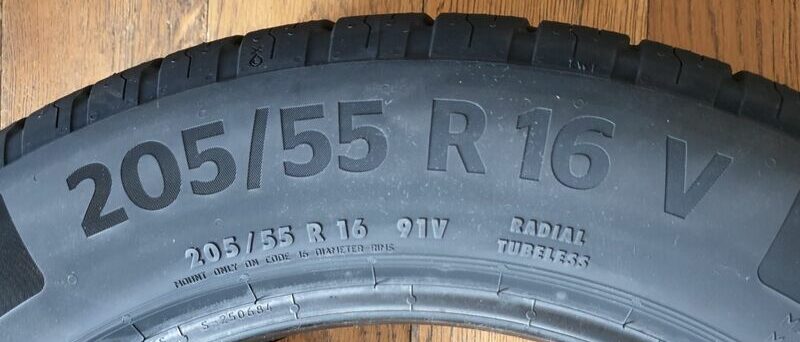
The most prominent marking on a tyre is its size, which is typically displayed in a format such as 205/55 R16.
Each part of this marking has a specific meaning.
• 205 refers to the tyre width in millimetres from sidewall to sidewall
• 55 represents the aspect ratio, meaning the sidewall height is 55 percent of the tyre width
• R indicates radial construction, which is standard for modern vehicles
• 16 shows the diameter of the wheel rim in inches
Choosing the correct tyre size is critical. Incorrect sizes can affect handling, braking performance and even fuel consumption. Always follow the manufacturer’s recommended specifications.
Load Index and Speed Rating Explained
Next to the tyre size, you will usually see a number and a letter combination such as 91V. This represents the load index and speed rating. The load index indicates how much weight each tyre can safely carry. For example:
• Load index 91 equals 615 kg per tyre
| Load index | Kg | Load index | Kg | Load index | Kg |
| 50 | 190 | 75 | 387 | 100 | 800 |
| 51 | 195 | 76 | 400 | 101 | 825 |
| 52 | 200 | 77 | 412 | 102 | 850 |
| 53 | 206 | 78 | 425 | 103 | 875 |
| 54 | 212 | 79 | 437 | 104 | 900 |
| 55 | 218 | 80 | 450 | 105 | 925 |
| 56 | 224 | 81 | 462 | 106 | 950 |
| 57 | 230 | 82 | 475 | 107 | 975 |
| 58 | 236 | 83 | 487 | 108 | 1000 |
| 59 | 243 | 84 | 500 | 109 | 1030 |
| 60 | 250 | 85 | 515 | 110 | 1060 |
| 61 | 257 | 86 | 530 | 111 | 1090 |
| 62 | 265 | 87 | 545 | 112 | 1120 |
| 63 | 272 | 88 | 560 | 113 | 1150 |
| 64 | 280 | 89 | 580 | 114 | 1180 |
| 65 | 290 | 90 | 600 | 115 | 1215 |
| 66 | 300 | 91 | 615 | 116 | 1250 |
| 67 | 307 | 92 | 630 | 117 | 1285 |
| 68 | 315 | 93 | 650 | 118 | 1320 |
| 69 | 325 | 94 | 670 | 119 | 1360 |
| 70 | 335 | 95 | 690 | 120 | 1400 |
| 71 | 345 | 96 | 710 | 121 | 1450 |
| 72 | 355 | 97 | 730 | 122 | 1500 |
| 73 | 365 | 98 | 750 | 123 | 1550 |
| 74 | 375 | 99 | 775 | 124 | 1600 |
The speed rating is shown as a letter and indicates the maximum safe speed for the tyre.
Common speed ratings include:
• H which supports speeds up to 130 mph
• V which supports speeds up to 149 mph
• W which supports speeds up to 168 mph
• Y which supports speeds up to 186 mph
| Speed index | Km/h | Mph |
| L | 120 | 75 |
| M | 130 | 81 |
| N | 140 | 87 |
| P | 150 | 93 |
| Q | 160 | 100 |
| R | 170 | 106 |
| S | 180 | 112 |
| T | 190 | 118 |
| U | 200 | 125 |
| H | 210 | 131 |
| V | 240 | 150 |
| W | 270 | 168 |
| Y | 300 | 187 |
| ZR | > 240 | > 150 |
It is important to never fit tyres with a lower speed rating than recommended for your vehicle, as this can affect safety and insurance validity.
DOT Code and Tyre Age
Every tyre includes a DOT code, which provides information about its manufacturing origin and date. The most important part of this code is the final four digits, which indicate when the tyre was produced.
For example:
• 2419 means the tyre was made in week 24 of 2019
Tyre age is crucial because rubber deteriorates over time, even if the tyre is not used frequently.
As a general rule:
• Tyres should be inspected after five years
• Tyres should be replaced after six to ten years regardless of tread
Driving on old tyres increases the risk of reduced grip and potential tyre failure.
European Approval Markings
Tyres sold in the UK must meet European safety standards. These are indicated by an E marking on the sidewall.
For example:
• E4 indicates approval from the Netherlands
• E11 indicates approval from the UK
This marking confirms that the tyre complies with European safety regulations and is legal for road use.
Treadwear, Traction and Temperature Ratings
Some tyres display additional performance ratings, particularly those produced for global markets. These include treadwear, traction and temperature ratings. Treadwear ratings give an indication of how long a tyre is expected to last. A higher number generally means longer durability. Traction ratings show how well the tyre performs in wet braking conditions. These range from:
• AA as the highest rating
• A as very good
• B as acceptable
• C as the lowest rating
Temperature ratings reflect how well the tyre can handle heat at high speeds. Ratings range from A to C, with A being the best.
These ratings are useful when comparing tyres and choosing the right option for your driving style.
Winter and All Season Tyre Symbols
Certain markings indicate whether a tyre is suitable for winter conditions.
The most common symbols include:
• M+S meaning mud and snow
• 3PMSF meaning three peak mountain snowflake
The 3PMSF symbol is the more reliable indicator, as it shows the tyre has passed strict testing for winter performance.
Drivers in colder regions or those who travel frequently in winter conditions should prioritise tyres with this marking.
Run Flat Tyre Markings
Run flat tyres are designed to allow continued driving after a puncture, usually for a limited distance. Different manufacturers use different codes to identify run flat tyres.
Common markings include:
• RFT meaning run flat tyre
• ROF meaning run on flat
• SSR meaning self supporting runflat
• ZP meaning zero pressure
| Run-flat tyre code | Brand |
| AOE | Audi Original Extended |
| CS | Continental ContiSeal |
| CSR | Continental Conti Safety Rim |
| DSST | Dunlop Self Supporting Technology |
| EMT | Goodyear Extended Mobility |
| EUFORI@ | Pirelli |
| HRS | Hankook Runflat System |
| MOE | Mercedes-Benz Original Extended |
| PAX | Michelin |
| RFT | Run Flat Tyre |
| ROF | Run On Flat |
| RSC | Runflat System Component |
| SSR | Self Supporting Runflat |
| TRF | Toyo Run Flat |
| XRP | Kumho Extended Runflat Performance |
| ZP | Michelin Zero Pressure |
These tyres are commonly fitted to premium vehicles and can improve safety in emergency situations.
Manufacturer Specific Tyre Codes
Some tyres are designed specifically for certain car manufacturers and include special markings.
Examples include:
• AO for Audi
• MO for Mercedes-Benz
• BMW star marking for BMW vehicles
• N0 to N4 for Porsche
| List of codes used | Make |
| * | BMW |
| A0 | Audi |
| C1 | Chrysler |
| F | Ford |
| G | Opel |
| LRO | Jaguar |
| M3 | BMW M3 |
| MO, MO1 | Mercedes-Benz |
| N0, N1, N2, N3, N4 | Porsche |
| RO1, RO2 | Audi Quattro |
| S1 | Peugeot |
These tyres are tailored to match the performance characteristics of specific vehicles. While not always essential, they are often recommended for maintaining optimal performance.
Why Tyre Markings Matter
Understanding tyre markings is not just about technical knowledge. It directly impacts your driving experience and safety.
Correct tyre selection ensures:
• Proper load handling for your vehicle
• Safe performance at higher speeds
• Better fuel efficiency
• Improved braking and handling
• Compliance with UK legal requirements
Using incorrect tyres can lead to reduced performance, increased wear and potentially dangerous driving conditions.
Final Thoughts
Tyre markings may appear complicated, but they provide essential information that every driver should understand. From tyre size and speed rating to manufacturing date and safety certifications, each marking serves a purpose. Taking the time to understand these details allows you to make informed decisions when replacing tyres and ensures your vehicle remains safe, efficient and compliant with regulations. If you are ever unsure, consulting a tyre professional is always a wise step. When buying a used car it’s important to check tyre if you’re unsure book pre purchase inspection.
FAQs
What do tyre markings mean?
Tyre markings provide information about size, load capacity, speed rating, manufacturing date and performance.
How do I read tyre size?
Tyre size includes width, aspect ratio, construction type and wheel diameter, such as 205/55 R16.
What is a tyre load index?
The load index shows the maximum weight a tyre can safely support.
What does tyre speed rating mean?
The speed rating indicates the maximum speed a tyre can safely handle.
How do I check tyre age?
The last four digits of the DOT code show the week and year the tyre was manufactured.