Comprehensive Guide to Used Pagani Pre-Purchase Inspection
Estimated reading time: 7 minutes
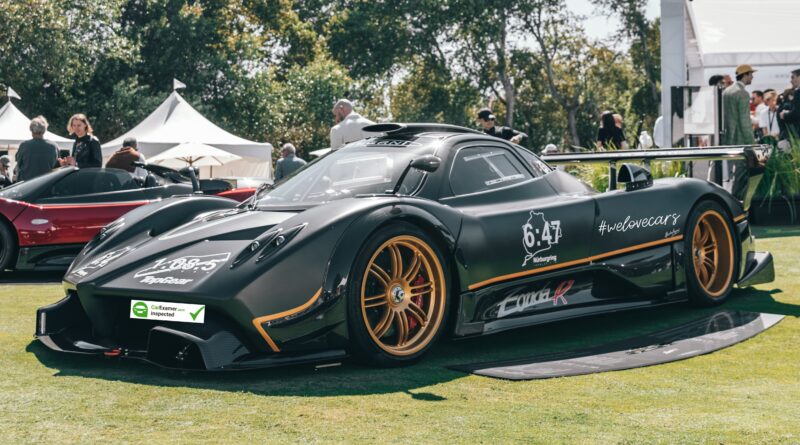
Pagani vehicles represent the highest level of automotive craftsmanship, combining advanced engineering with bespoke design and limited production. Purchasing a used Pagani is a rare and significant investment, and a meticulous pre-purchase inspection is essential to ensure the vehicle meets the brand’s exceptional standards. Given the complexity, rarity, and value of these hypercars, even minor issues can have serious financial implications. This guide outlines the key areas that should be assessed when inspecting a used Pagani before purchase.
Vehicle History and Documentation
Before inspecting the vehicle itself, its history must be reviewed in detail. Key checks include Vehicle Identification Number verification, full service history, documentation of factory updates or recalls, ownership history, and records of specialist maintenance. Pagani vehicles should have comprehensive documentation due to their limited production and bespoke nature. A complete and transparent history is critical for confirming authenticity, condition, and long-term value.
Exterior and Body Inspection
Pagani bodywork is typically constructed from advanced carbon fibre composites and requires expert evaluation. Inspection should include checking carbon fibre panels for cracks, chips, delamination, or repairs, paint or lacquer finish consistency, panel alignment and tolerances, and condition of exposed carbon elements. Wheels and tyres should be inspected for correct specification, age, wear, and damage, as incorrect tyres or wheel damage can significantly affect handling and safety.
Interior Assessment
Pagani interiors are individually crafted and feature bespoke materials and detailing. Inspection should include the condition of leather upholstery, stitching, carbon fibre components, aluminium controls, and trim fitment. All switches, displays, climate controls, infotainment features, and electronic systems should be tested for correct operation. Interior wear should be consistent with mileage and usage, as interior restoration can be complex and costly.
Engine Bay Inspection
The engine is the centrepiece of any Pagani. Inspection should assess cold start behaviour, idle stability, unusual noises, oil or fluid leaks, condition of hoses and fittings, and correct fluid levels. Pagani engines are often hand-assembled and highly specialised, making attention to detail essential. Any signs of modification, poor maintenance, or contamination should be investigated thoroughly.
Powertrain and Transmission Check
The transmission and drivetrain should be assessed for precision and smooth operation. Inspection should include smooth gear engagement, correct clutch operation, absence of vibration or hesitation, and consistent performance under load. Pagani vehicles are engineered for precision, and any deviation from expected behaviour may indicate underlying issues.
Suspension and Handling Evaluation
Pagani suspension systems are designed to deliver exceptional control and responsiveness. Inspection should assess shock absorbers, springs, bushings, and joints for wear or leaks. Steering response should feel direct and precise, without play or abnormal resistance. Uneven tyre wear or suspension noises should be investigated further.
Braking System Inspection
The braking system must perform flawlessly. Checks should include brake disc and pad condition, caliper integrity, brake fluid condition, and brake response during driving. Given the performance capabilities of Pagani vehicles, braking components are critical for both safety and value retention.
Electrical and Electronic Systems
Pagani vehicles incorporate advanced electronic systems integrated with bespoke components. Inspection should include dashboard warnings, lighting systems, infotainment functionality, climate control operation, sensors, and diagnostic scans for stored fault codes. Electrical issues can be complex to diagnose due to the bespoke nature of the vehicle.
Undercarriage Examination
If possible, the vehicle should be raised for underbody inspection. Checks should include condition of the chassis, suspension mounting points, exhaust system, underbody panels, and signs of leaks or impact damage. Due to low ride height, undercarriage inspection is particularly important.
Road Test Evaluation
A controlled road test is an essential part of the inspection.
Evaluation should include engine response, transmission behaviour, steering precision, braking performance, suspension behaviour, and overall drivability. Any unusual noises, warning messages, or performance inconsistencies should be noted. The vehicle should deliver a smooth, controlled, and engaging driving experience consistent with Pagani standards.
Inspection Report and Findings
Following the inspection, a detailed report should document identified issues, severity and urgency of concerns, recommended remedial actions, and an overall assessment of the vehicle’s condition. This report plays a key role in purchase decisions and valuation discussions.
Final Thoughts on Buying a Used Pagani
A pre-purchase inspection is essential when buying a used Pagani. These vehicles represent a unique blend of art and engineering, but their complexity and rarity demand absolute diligence before purchase. By carrying out a comprehensive and expert inspection, buyers can protect their investment, reduce risk, and ensure their Pagani ownership experience reflects the excellence the brand represents.
FAQs
What does a Pagani pre purchase inspection include?
A Pagani pre purchase inspection includes a detailed evaluation of the carbon fibre bodywork, engine, transmission, suspension, braking system, electrical components, and undercarriage. It also covers vehicle history verification, interior condition assessment, and a controlled road test.
Is a pre purchase inspection necessary for a used Pagani?
Yes, a pre purchase inspection is essential. Pagani vehicles are rare, highly complex, and extremely valuable, so even minor issues can lead to significant repair costs and impact long-term value.
How much does a Pagani pre purchase inspection cost?
The cost can vary significantly depending on the level of expertise required, but typically ranges from £1,000 to £3,000 due to the specialist knowledge and detailed assessment involved.
What are common issues to check in a used Pagani?
Key concerns include carbon fibre damage, suspension wear, brake system condition, electronic faults, fluid leaks, and evidence of poor maintenance or incorrect repairs.
Can a Pagani pass inspection with hidden issues?
A specialist inspection using advanced diagnostics and expert evaluation can identify most hidden issues. However, due to the bespoke nature of Pagani vehicles, the quality of the inspection depends heavily on specialist expertise.
How long does a Pagani inspection take?
A comprehensive inspection typically takes several hours and may extend to a full day depending on the depth of analysis and reporting required.
Do I need a Pagani specialist for inspection?
Yes, it is strongly recommended to use a Pagani specialist or hypercar expert. These vehicles require in-depth knowledge of bespoke engineering and materials.
What should I check in a Pagani service history?
You should check for complete documentation, specialist servicing records, factory updates, ownership history, and any bespoke modifications or repairs.
Can inspection results affect the value of a Pagani?
Yes, inspection findings can significantly influence valuation. Even minor issues can impact the price due to the rarity and collectability of Pagani vehicles.
What happens if I skip a Pagani pre purchase inspection?
Skipping an inspection exposes you to substantial financial risk, including hidden structural damage, mechanical faults, and costly repairs that can affect both usability and investment value.
{ “@context”: “https://schema.org”, “@type”: “FAQPage”, “mainEntity”: [ { “@type”: “Question”, “name”: “What does a Pagani pre purchase inspection include?”, “acceptedAnswer”: { “@type”: “Answer”, “text”: “A Pagani pre purchase inspection includes evaluation of carbon fibre bodywork, engine, transmission, suspension, braking system, electrical systems, undercarriage, vehicle history, interior condition, and a road test.” } }, { “@type”: “Question”, “name”: “Is a pre purchase inspection necessary for a used Pagani?”, “acceptedAnswer”: { “@type”: “Answer”, “text”: “Yes, it is essential due to the rarity, complexity, and high value of Pagani vehicles, where even minor issues can be extremely costly.” } }, { “@type”: “Question”, “name”: “How much does a Pagani pre purchase inspection cost?”, “acceptedAnswer”: { “@type”: “Answer”, “text”: “The cost typically ranges from £1,000 to £3,000 depending on the level of expertise and depth of inspection required.” } }, { “@type”: “Question”, “name”: “What are common issues to check in a used Pagani?”, “acceptedAnswer”: { “@type”: “Answer”, “text”: “Common issues include carbon fibre damage, suspension wear, brake system condition, electronic faults, and signs of poor maintenance.” } }, { “@type”: “Question”, “name”: “Can a Pagani pass inspection with hidden issues?”, “acceptedAnswer”: { “@type”: “Answer”, “text”: “A specialist inspection can detect most hidden issues, though accuracy depends on the expertise and tools used.” } }, { “@type”: “Question”, “name”: “How long does a Pagani inspection take?”, “acceptedAnswer”: { “@type”: “Answer”, “text”: “A detailed inspection can take several hours to a full day depending on the depth of evaluation.” } }, { “@type”: “Question”, “name”: “Do I need a Pagani specialist for inspection?”, “acceptedAnswer”: { “@type”: “Answer”, “text”: “Yes, specialist expertise is required due to the bespoke engineering and materials used in Pagani vehicles.” } }, { “@type”: “Question”, “name”: “What should I check in a Pagani service history?”, “acceptedAnswer”: { “@type”: “Answer”, “text”: “Check for complete service records, specialist maintenance, factory updates, ownership history, and any modifications or repairs.” } }, { “@type”: “Question”, “name”: “Can inspection results affect the value of a Pagani?”, “acceptedAnswer”: { “@type”: “Answer”, “text”: “Yes, inspection findings can significantly impact valuation due to the rarity and collectability of Pagani vehicles.” } }, { “@type”: “Question”, “name”: “What happens if I skip a Pagani pre purchase inspection?”, “acceptedAnswer”: { “@type”: “Answer”, “text”: “Skipping an inspection increases the risk of hidden faults, costly repairs, and reduced investment value.” } } ] }