


What Happens After You Buy a Car: Post Purchase Checks Every UK Buyer Should Do
Estimated reading time: 5 minutes
Buying a car is often seen as the final step in the journey, but in reality, it is only the beginning. Once the paperwork is signed and the keys are handed over, many buyers assume everything is complete. However, this is the stage where careful checks can make the biggest difference. Whether you have bought from a dealer, a private seller, or online, carrying out post purchase checks is essential. These checks help confirm the condition of the vehicle, uncover hidden issues, and ensure that what you have bought matches what was advertised. In today’s market, where online car buying is increasingly common, these checks are more important than ever.
Why Post Purchase Checks Are So Important
A car can appear perfectly fine during a viewing but still have underlying problems. Some issues only become noticeable after driving the vehicle for a short period.
Post purchase checks allow you to:
- Detect hidden faults early
- Avoid unexpected repair costs
- Ensure the vehicle is safe and roadworthy
- Take action within any return or warranty period
- Understand the true condition of your car
Acting quickly after purchase gives you more options if something is wrong.
When You Should Carry Out These Checks
Timing is critical. Ideally, you should complete all checks within the first few days of ownership.
This is especially important if:
- The car was bought online or delivered
- You did not carry out a full inspection before purchase
- You skipped or had a limited test drive
- You are within a dealer return period
- The vehicle came from a private seller
The earlier you identify any issues, the easier it is to resolve them.
Step-by-Step Post Purchase Checks
1. Start with a Full Exterior Inspection
Walk around the car and inspect it carefully in good daylight.
Look for:
- Scratches, dents, and paint inconsistencies
- Signs of previous repairs or resprays
- Rust around wheel arches, doors, and underbody
- Condition of lights, mirrors, and trims
Pay attention to panel alignment. Uneven gaps may indicate accident repairs.
2. Check the Interior Thoroughly
The interior condition can reveal how well the car has been maintained.
Inspect:
- Seats and upholstery for wear or damage
- Dashboard controls and warning lights
- Carpets for damp or stains
- Function of windows, locks, and infotainment system
A musty smell can be a sign of water ingress.
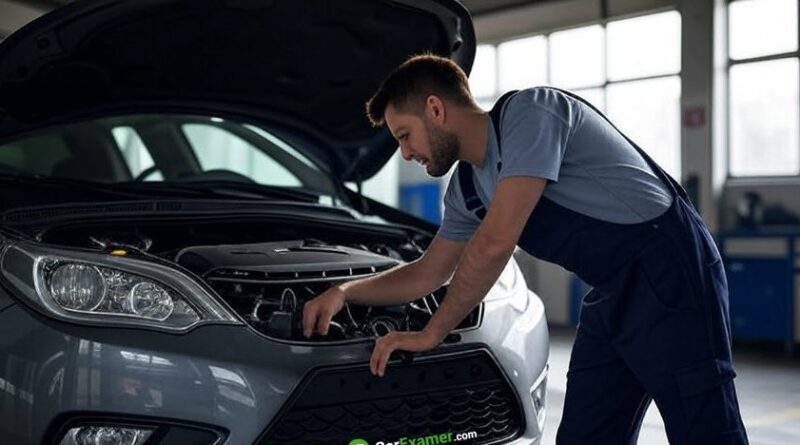
3. Inspect Under the Bonnet
Even if you are not mechanically experienced, basic checks are valuable.
Check:
- Engine oil level and colour
- Coolant level and condition
- Brake fluid level
- Signs of leaks or residue
Visible leaks or burnt smells should not be ignored.
4. Take the Car for a Proper Test Drive
If you did not fully test drive the vehicle before buying, do it now.
During the drive:
- Check acceleration and engine smoothness
- Assess gear changes and clutch response
- Listen for unusual noises
- Test braking performance
- Observe steering alignment
Drive in different conditions if possible, including slower roads and higher speeds.
5. Check Tyres, Wheels and Brakes
These components directly affect safety.
Look at:
- Tyre tread depth and condition
- Uneven tyre wear
- Wheel damage
- Brake responsiveness
Tyres with uneven wear may indicate suspension or alignment issues.
6. Run a Diagnostic Scan
Modern vehicles rely on complex electronic systems.
A diagnostic scan can reveal:
- Hidden fault codes
- Sensor issues
- Pending mechanical problems
Some faults do not trigger dashboard warnings immediately but still exist.
7. Review Service History and Documents
Go through all paperwork carefully.
Check:
- Service records and maintenance history
- MOT history and advisories
- Mileage consistency
- Ownership details
This helps confirm whether the vehicle has been properly maintained.
Common Issues Found After Purchase
Many buyers discover problems shortly after buying a car.
Common issues include:
- Worn brakes or tyres
- Suspension noise or vibration
- Electrical faults not obvious
- Oil leaks
- Poor previous bodywork repairs
These issues are often not obvious during a quick viewing.
What to Do If You Find Problems
If You Bought from a Dealer
You may have options such as:
- Requesting repairs under warranty
- Using a return or exchange period
- Negotiating compensation
Keep all records, including inspection reports and communication.
If You Bought from a Private Seller
Your options are more limited, but you can:
- Obtain repair quotes
- Decide whether to repair or resell
- Take action if there was clear misrepresentation
If the vehicle is unsafe, stop driving it immediately.
Why a Professional Check Is Highly Recommended
While basic checks are useful, they do not replace a professional assessment.
Services such as CarExamer provide detailed post purchase inspection carried out by experienced inspectors.
These inspections include:
- Mechanical assessment
- Diagnostic scanning
- Structural and bodywork checks
- Detailed condition reports
This provides a clear and unbiased understanding of the vehicle.
Additional Tips After Buying a Car
- Book a full service if history is incomplete
- Replace essential items such as filters if needed
- Check insurance and breakdown cover
- Keep all documents organised
- Monitor the vehicle closely during the first few weeks
Small issues caught early are easier and cheaper to fix.
Mistakes to Avoid After Buying a Car
Avoid these common errors:
- Assuming the car is fault-free
- Delaying checks
- Ignoring warning signs
- Driving long distances before car inspection
- Skipping professional assessment
Being proactive is key to avoiding costly problems.
Final Thoughts
Buying a car does not end with the transaction. In many ways, it is just the beginning of understanding what you have purchased. Post purchase checks provide reassurance, clarity, and protection. They allow you to act quickly if something is wrong and help you maintain your vehicle properly from the start. Taking the time to carry out these checks ensures that your investment is protected and that your driving experience is safe and enjoyable.
FAQs
1. What should I do immediately after buying a car?
Check the vehicle thoroughly, including fluids, tyres, brakes, and overall condition.
2. How soon should I check a car after buying it?
Ideally within the first few days, especially if you have a return period.
3. Is it too late to inspect a car after purchase?
No, post purchase checks are designed to be done after buying.
4. What if I find a fault after buying from a dealer?
You may be able to request repairs, return the car, or negotiate depending on the situation.
5. Are post purchase checks really necessary?
Yes, they help prevent unexpected repair costs and ensure safety.
6. Can I do these checks myself?
You can perform basic checks, but a professional inspection is recommended for a full assessment.