Lithuania Car Buying Cheat Sheet: How to Avoid Mistakes
Estimated reading time: 5 minutes
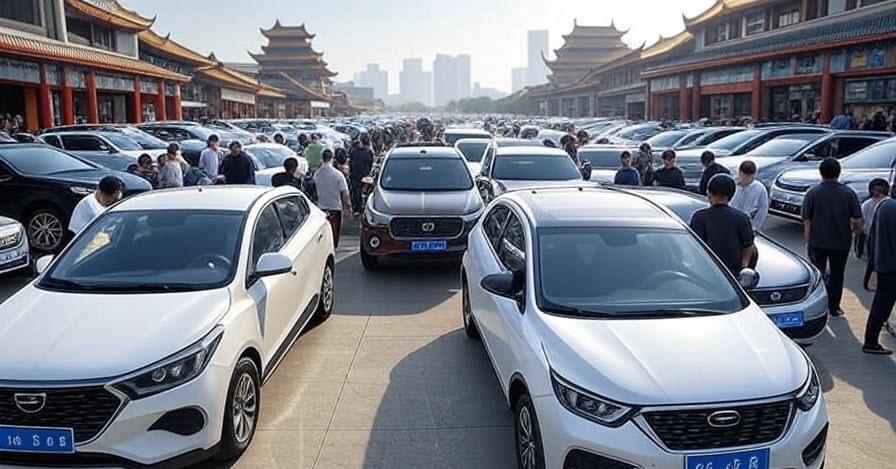
Lithuania has become one of the largest used car trading hubs in Europe. Thousands of vehicles are imported into the country every month and sold locally or exported to other European markets. For buyers, this creates an opportunity to find competitive prices and a wide range of vehicles. However, the market also carries risks. Many cars have been imported after accidents, purchased from insurance auctions, or repaired before resale. If you are planning to buy a used car in Lithuania, it is important to approach the process carefully. This cheat sheet explains how to avoid common mistakes and increase your chances of buying a reliable vehicle.
Why Many Cars in Lithuania Are Imported
Lithuania imports a large number of used vehicles from across Europe and beyond.
Common import countries include:
Germany
Belgium
France
Italy
Netherlands
Spain
United Kingdom
USA
Japan
Middle Eastern countries
Many vehicles are purchased from auctions or fleet sales. Some imports are perfectly well maintained cars, but others were previously involved in accidents or insurance write-offs before being repaired.
Because of this, buyers should always verify the vehicle history before making a purchase.
1. Always Check the VIN Number
The most important step when buying any used vehicle is to check the VIN number.
The VIN (Vehicle Identification Number) is a unique code assigned to every car. It allows access to vehicle history records from multiple databases.
A VIN check can reveal important information including:
Previous accidents
Recorded mileage history
Insurance claims
Import history
Theft records
Ownership changes
Several online services offer VIN checks using insurance databases, vehicle registries and auction records.
Using the Regitra Database
In Lithuania the official vehicle registry is managed by Regitra. Regitra provides access to certain vehicle information including registration details and inspection records. Checking this database is an important step before buying a car. Even a quick search can reveal useful information about the vehicle’s past. Never rely solely on the seller’s explanation. Always verify the VIN yourself.
2. Look Closely for Accident Repairs
A large proportion of vehicles sold in Lithuania were previously damaged and later repaired. This is particularly common with cars imported from auction markets.
While some repairs are done professionally, others may be completed cheaply with cosmetic fixes.
During your inspection pay attention to the following signs:
Uneven paint colour across panels
Visible sanding marks under paint
Misaligned doors or bonnet
Irregular panel gaps
Overspray on rubber seals
A paint thickness gauge can help identify panels that have been repainted. This tool measures the thickness of the paint layer and can reveal whether a panel has been repaired.
However interpreting these readings requires some experience, as repainted panels may also result from cosmetic improvements rather than accident repairs.
If you are unsure, ask a professional inspector to examine the car.
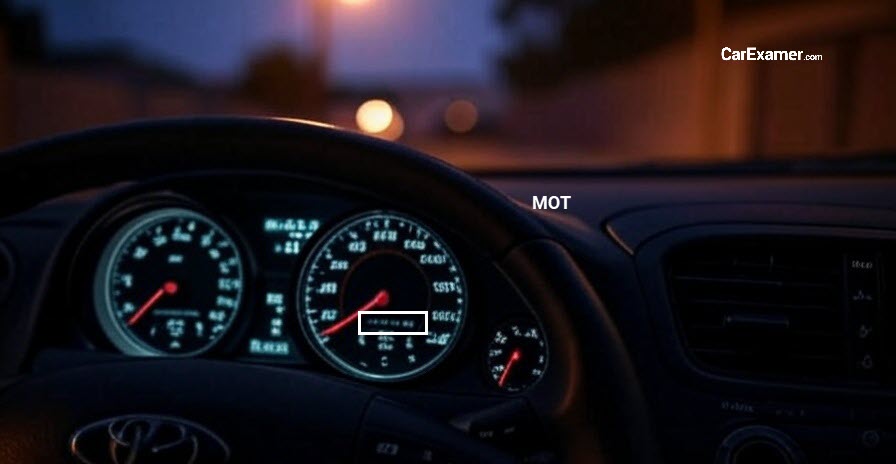
3. Watch for Mileage Rollback
Mileage rollback remains one of the most common problems in the used car market.
By reducing the odometer reading, dishonest sellers can increase the value of a vehicle.
Some warning signs include:
Heavily worn steering wheel
Damaged or polished pedals
Unusually worn seats
Incomplete service records
Other clues may include newly fitted interior parts or freshly painted trim that appears inconsistent with the vehicle’s age.
However modern refurbishment techniques can hide many of these signs. For this reason the most reliable method is checking the vehicle’s recorded mileage history through databases and diagnostic scans.
Professional diagnostic tools can sometimes access mileage data stored in different electronic modules within the vehicle.
4. Always Arrange an Independent Inspection
A professional inspection is one of the safest ways to avoid buying a problematic car.
Many garages in Lithuanian cities such as Vilnius, Kaunas and Klaipėda offer pre purchase inspections for reasonable prices.
A thorough inspection may include:
Engine diagnostics and fault code scanning
Transmission performance testing
Brake and suspension checks
Evidence of accident repairs
Oil leaks and mechanical wear
Many hidden issues cannot be detected during a short test drive.
Spending money on an inspection before buying the car can prevent expensive repairs later.
5. Negotiation Is Expected
Negotiating the price is common practice in Lithuania’s used car market.
Most sellers expect buyers to negotiate, particularly after an inspection.
Minor issues such as worn tyres, cosmetic damage or service needs can provide useful arguments when discussing price.
Discounts between five and ten percent are often achievable depending on the vehicle’s condition.
Important Red Flags When Buying
Certain warning signs should make buyers cautious.
These include:
Missing service history
Very low prices compared with market averages
Recently repainted panels on older vehicles
VIN numbers that do not match documentation
Sellers demanding immediate cash payment
If anything about the deal feels rushed or suspicious, it is safer to walk away.
The used car market offers many alternatives, and patience usually leads to a better purchase.
Essential Documents to Check
Before completing the purchase ensure the vehicle documentation is correct.
Important documents include:
Vehicle registration certificate
Service history records
Inspection certificates
Purchase agreement
Identification details of the seller
After buying the vehicle, ownership must be updated through the official registration process managed by Regitra.
This ensures the vehicle is legally registered under the new owner.
Final Thoughts
Lithuania offers a large and active used car market with many vehicles available at competitive prices. However buyers must remain cautious because many vehicles are imported and may have complicated histories. Running a VIN check, inspecting for accident repairs, verifying mileage records and arranging an independent car inspection are the most effective ways to reduce risk. By taking the time to perform these checks, buyers can significantly improve their chances of finding a reliable car at a fair price.
FAQs
Is it safe to buy a used car in Lithuania?
Yes, but buyers should always verify the vehicle history, check the VIN number and consider an independent inspection before purchasing.
How do I check a car’s history in Lithuania?
You can check vehicle history using online VIN services and through the official Regitra vehicle registry database.
Are most used cars in Lithuania imported?
Yes. Many vehicles sold in Lithuania are imported from countries such as Germany, Belgium, France, the Netherlands, the United Kingdom and the United States.
Is mileage rollback common in Lithuania?
Mileage manipulation can occur in many used car markets. Buyers should verify mileage through vehicle history reports and diagnostic scans.
Should I get a pre purchase inspection before buying?
Yes. A professional vehicle inspection can detect mechanical faults, accident repairs and hidden issues before you complete the purchase.