Comprehensive Guide to a Used Porsche Pre-Purchase Inspection
Estimated reading time: 7 minutes
Porsche vehicles are renowned for their engineering quality, driving precision, and long-term performance. Whether buying a sports car, saloon, or SUV, purchasing a used Porsche requires careful evaluation. These vehicles are technically advanced, and a thorough pre-purchase inspection is essential to understand their true condition and to reduce the risk of unexpected repair costs after purchase. This guide outlines the key areas that should be checked when ordering a used Porsche pre-purchase inspection and can be applied across multiple models.
Vehicle History and Documentation
Before inspecting the vehicle itself, its history should be reviewed carefully. Key checks include Vehicle Identification Number verification, full service history and maintenance records, evidence of manufacturer recalls or software updates, previous accident or insurance damage, and ownership history and usage patterns. Porsches benefit greatly from consistent servicing by qualified specialists, particularly for performance-focused models.
Engine and Powertrain Assessment
Porsche engines range from naturally aspirated and turbocharged petrol units to hybrid and electric powertrains. Inspection should assess cold start behaviour and idle stability, unusual noises or vibrations, oil leaks or signs of fluid contamination, correct fluid levels, and evidence of poor servicing or non-standard modifications. The transmission, whether manual, PDK, or automatic, should be checked for smooth gear changes, correct engagement, and hesitation under load.
Maintenance and Servicing Review
Proper maintenance is critical for Porsche reliability and performance. Inspection should confirm scheduled services completed on time, use of correct engine oils and fluids, timing chain or belt maintenance where applicable, and records of major repairs or component replacements. Gaps in servicing or incomplete documentation can significantly increase ownership risk.
Exterior and Body Inspection
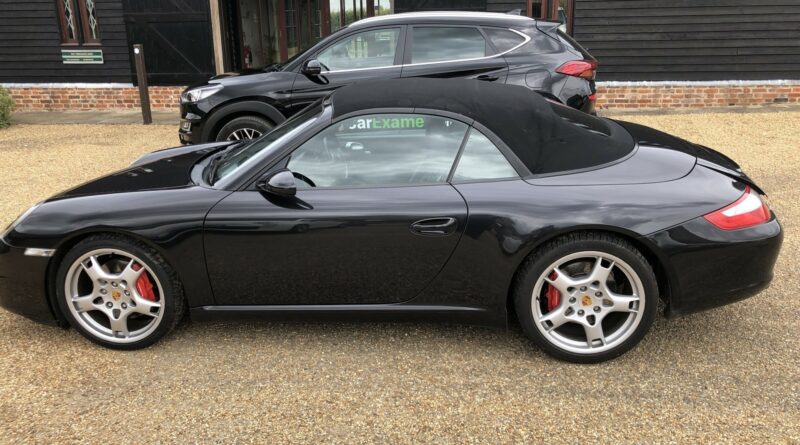
The exterior condition can reveal how the vehicle has been used and stored. Checks should include paint condition and colour consistency, panel alignment and body gaps, signs of corrosion on older models, evidence of accident repairs, and condition of glass, lights, and exterior trim. Any inconsistencies should be investigated further, particularly on aluminium or composite panels.
Interior Inspection
Interior condition should reflect the vehicle’s age and mileage. Inspection should include seat condition and upholstery wear, steering wheel and pedal wear, dashboard condition and trim fitment, operation of infotainment and climate control systems, and functionality of switches and controls. Signs of water ingress, electrical faults, or excessive wear should be noted.
Suspension and Steering
Porsche suspension systems are engineered for precision handling. Inspection should assess shock absorbers and springs for leaks or wear, bushings and joints for deterioration, steering response and alignment, and uneven tyre wear. Vehicles equipped with adaptive suspension should be checked for correct operation in all modes.
Braking System
The braking system is critical for safety and performance. Checks should include brake disc and pad condition, calipers for corrosion or leaks, brake fluid condition, and brake response during a road test. Models fitted with ceramic brakes require particular attention due to high replacement costs.
Electrical and Electronic Systems
Modern Porsches rely heavily on electronic systems. Inspection should include dashboard warning lights, infotainment and navigation systems, driver assistance features where fitted, lighting systems, and diagnostic scans for stored fault codes. Electrical faults can affect drivability and resale value if left unresolved.
Tyres and Wheels
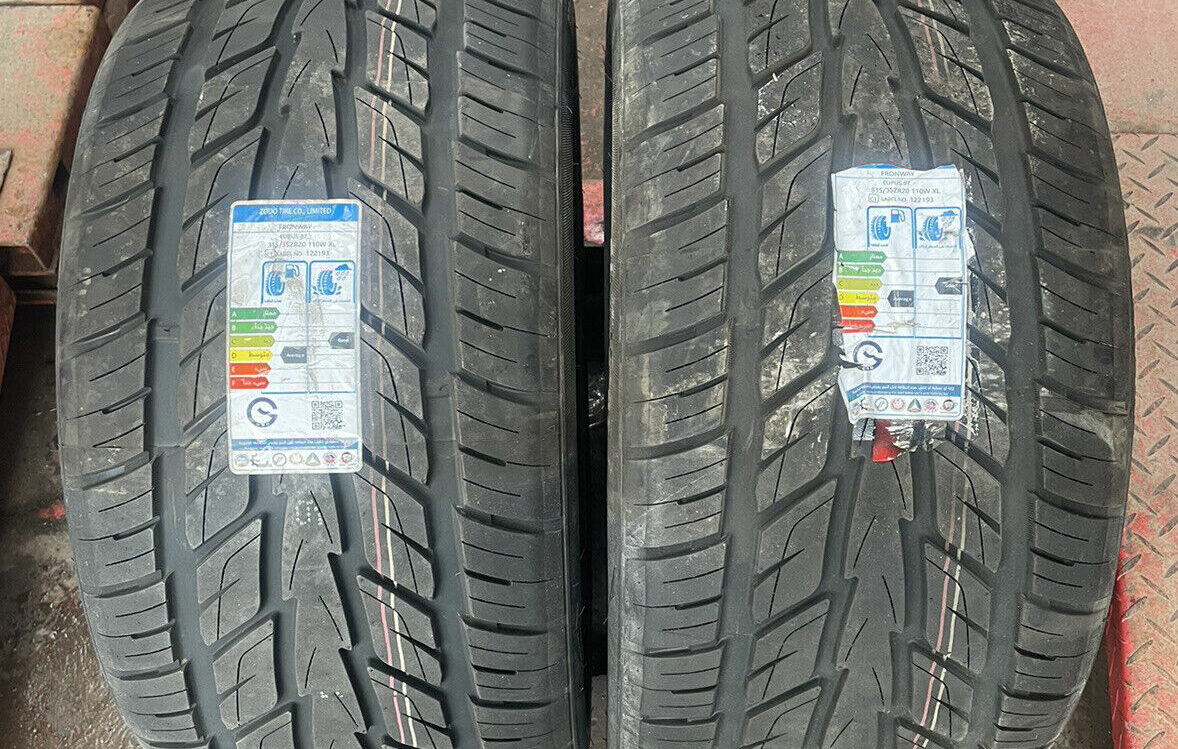
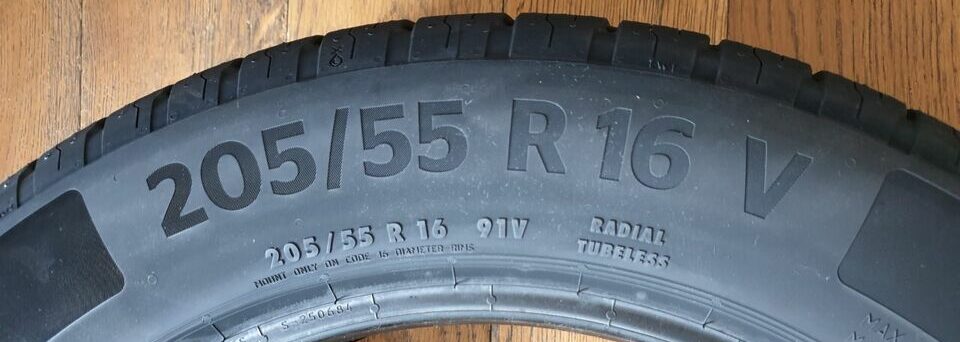
Tyres and wheels should be checked for correct Porsche-approved specifications, even tread wear, tyre age, wheel damage, and correct alignment. Incorrect tyres or alignment can negatively affect handling and safety.
Undercarriage Examination
Inspection underneath the vehicle can reveal hidden issues. Checks should include corrosion, fluid leaks, exhaust system condition, suspension mounting points, and underbody panels. The undercarriage often highlights issues not visible during a visual inspection.
Road Test Evaluation
A road test is essential. Evaluation should include engine performance, gearbox behaviour, steering precision, brake performance, suspension comfort, and any unusual noises or vibrations. The vehicle should feel composed, responsive, and predictable under normal driving conditions.
Inspection Report and Findings
After the inspection, a detailed report should outline identified faults or concerns, severity and urgency of any issues, recommended repairs or maintenance, and an overall assessment of the vehicle’s condition. This information helps buyers decide whether to proceed with the purchase or renegotiate the price.
Final Thoughts on Buying a Used Porsche
A pre-purchase inspection is a sensible and necessary step when buying a used Porsche. These vehicles deliver exceptional performance and driving enjoyment, but only when properly maintained and correctly assessed before purchase. By following a structured inspection process, buyers can reduce risk, avoid unexpected costs, and proceed with confidence.
FAQs
What does a Porsche pre purchase inspection include?
A Porsche pre purchase inspection includes checks of the engine, transmission, suspension, braking system, electrical systems, interior and exterior condition, tyres, undercarriage, and a road test. It also includes reviewing the vehicle’s history and service records.
Is a pre purchase inspection necessary for a used Porsche?
Yes, a pre purchase inspection is essential. Porsche vehicles are highly engineered and expensive to repair, so identifying issues before purchase helps reduce financial risk.
How much does a Porsche pre purchase inspection cost in the UK?
The cost typically ranges from £250 to £700 depending on the level of inspection, location, and whether advanced diagnostics are included.
What are common problems in used Porsche cars?
Common issues include oil leaks, suspension wear, brake system wear, electrical faults, and high-cost components such as ceramic brakes or PDK transmission issues.
Can a Porsche pass inspection with hidden faults?
A professional inspection using diagnostic tools and physical checks can identify most hidden faults. However, results depend on the inspector’s expertise and the depth of the inspection.
How long does a Porsche inspection take?
A full inspection usually takes between 2 to 4 hours depending on the level of detail and whether a road test is included.
Do I need a Porsche specialist for inspection?
Yes, using a Porsche specialist is recommended. Their experience with model-specific issues and access to proper diagnostic tools ensures a more accurate assessment.
What should I check in a Porsche service history?
You should check for consistent servicing, correct intervals, use of approved parts and fluids, and records of major repairs or replacements.
Can inspection results help negotiate the price?
Yes, inspection findings can be used to renegotiate the purchase price or request repairs before completing the purchase.
What happens if I skip a Porsche pre purchase inspection?
Skipping an inspection increases the risk of hidden faults, unexpected repair costs, and reduced reliability, which can significantly impact ownership costs.
{ “@context”: “https://schema.org”, “@type”: “FAQPage”, “mainEntity”: [ { “@type”: “Question”, “name”: “What does a Porsche pre purchase inspection include?”, “acceptedAnswer”: { “@type”: “Answer”, “text”: “A Porsche pre purchase inspection includes checks of the engine, transmission, suspension, brakes, electrical systems, interior and exterior condition, tyres, undercarriage, vehicle history, and a road test.” } }, { “@type”: “Question”, “name”: “Is a pre purchase inspection necessary for a used Porsche?”, “acceptedAnswer”: { “@type”: “Answer”, “text”: “Yes, it is essential because Porsche vehicles are complex and repairs can be costly if issues are not identified early.” } }, { “@type”: “Question”, “name”: “How much does a Porsche pre purchase inspection cost in the UK?”, “acceptedAnswer”: { “@type”: “Answer”, “text”: “The cost typically ranges from £250 to £700 depending on the level of inspection and whether diagnostic testing is included.” } }, { “@type”: “Question”, “name”: “What are common problems in used Porsche cars?”, “acceptedAnswer”: { “@type”: “Answer”, “text”: “Common problems include oil leaks, suspension wear, brake wear, electrical faults, and issues with high-performance components such as ceramic brakes or PDK transmissions.” } }, { “@type”: “Question”, “name”: “Can a Porsche pass inspection with hidden faults?”, “acceptedAnswer”: { “@type”: “Answer”, “text”: “A professional inspection can detect most hidden faults using diagnostics and physical checks, though results depend on inspector expertise.” } }, { “@type”: “Question”, “name”: “How long does a Porsche inspection take?”, “acceptedAnswer”: { “@type”: “Answer”, “text”: “A full inspection typically takes between 2 to 4 hours depending on the level of detail.” } }, { “@type”: “Question”, “name”: “Do I need a Porsche specialist for inspection?”, “acceptedAnswer”: { “@type”: “Answer”, “text”: “Yes, using a Porsche specialist is recommended to ensure an accurate and thorough assessment.” } }, { “@type”: “Question”, “name”: “What should I check in a Porsche service history?”, “acceptedAnswer”: { “@type”: “Answer”, “text”: “Check for consistent servicing, correct intervals, approved parts and fluids, and records of major repairs or replacements.” } }, { “@type”: “Question”, “name”: “Can inspection results help negotiate the price?”, “acceptedAnswer”: { “@type”: “Answer”, “text”: “Yes, inspection findings can be used to negotiate a lower price or request repairs before purchase.” } }, { “@type”: “Question”, “name”: “What happens if I skip a Porsche pre purchase inspection?”, “acceptedAnswer”: { “@type”: “Answer”, “text”: “Skipping an inspection increases the risk of hidden faults, unexpected repair costs, and reduced vehicle reliability.” } } ] }