Companies That Buy Cars: Your Guide to Selling Your Car
Selling a car can feel overwhelming. Between advertising, arranging viewings, negotiating with buyers and handling paperwork, the process can quickly become stressful. That is why many vehicle owners turn to companies that buy cars as a quicker and more convenient alternative.
This guide explains how car buying companies operate, what you can realistically expect in terms of pricing, the advantages and disadvantages, and how to protect yourself throughout the transaction. By the end, you will understand whether this route is right for you.
What Are Companies That Buy Cars?
Companies that buy cars are businesses that purchase vehicles directly from private owners. Unlike private buyers or traditional dealerships offering part exchange, these companies specialise in fast vehicle acquisition.
Their business model is simple. They buy vehicles below retail market value, re-sell them at auction or through trade networks, and generate profit from the margin.
Well-known examples in the UK include online car buying platforms and national vehicle purchasing services.
Why Sell to Companies That Buy Cars?
Convenience and Speed
One of the main advantages is speed. Many companies provide an online valuation within minutes. After booking an appointment, the vehicle can often be sold within 24 to 72 hours.
For sellers who need quick access to funds or want to avoid private sale hassle, this is a major benefit.
Reduced Administrative Burden
we buy any car companies typically handle paperwork, ownership transfer and payment processing. This reduces the risk of documentation errors.
No Need to Market the Car
You do not need to take photographs, respond to enquiries, arrange test drives or deal with time-wasters.
Lower Risk of Private Sale Scams
Private selling carries risks such as fraudulent bank transfers, cloned notes or identity misuse. Reputable car buying companies operate structured processes which can reduce this exposure.
The Reality: Trade Prices vs Retail Prices
It is important to understand one fundamental point. Companies that buy cars offer trade prices, not retail prices.
Retail value is what a dealer sells a car for. Trade value is what dealers and buying companies pay in order to make a profit.
Expect offers to be:
- Below private sale value
- Below dealer forecourt pricing
- Based on auction data and wholesale market trends
This does not mean the offer is unfair. It reflects the business model.
If maximum profit is your priority, selling privately may generate more money, but with greater effort and risk.
How the Process Works
Step 1: Online Valuation
You provide:
- Registration number
- Mileage
- Basic condition details
- Service history information
The system generates an estimated price based on live market data.
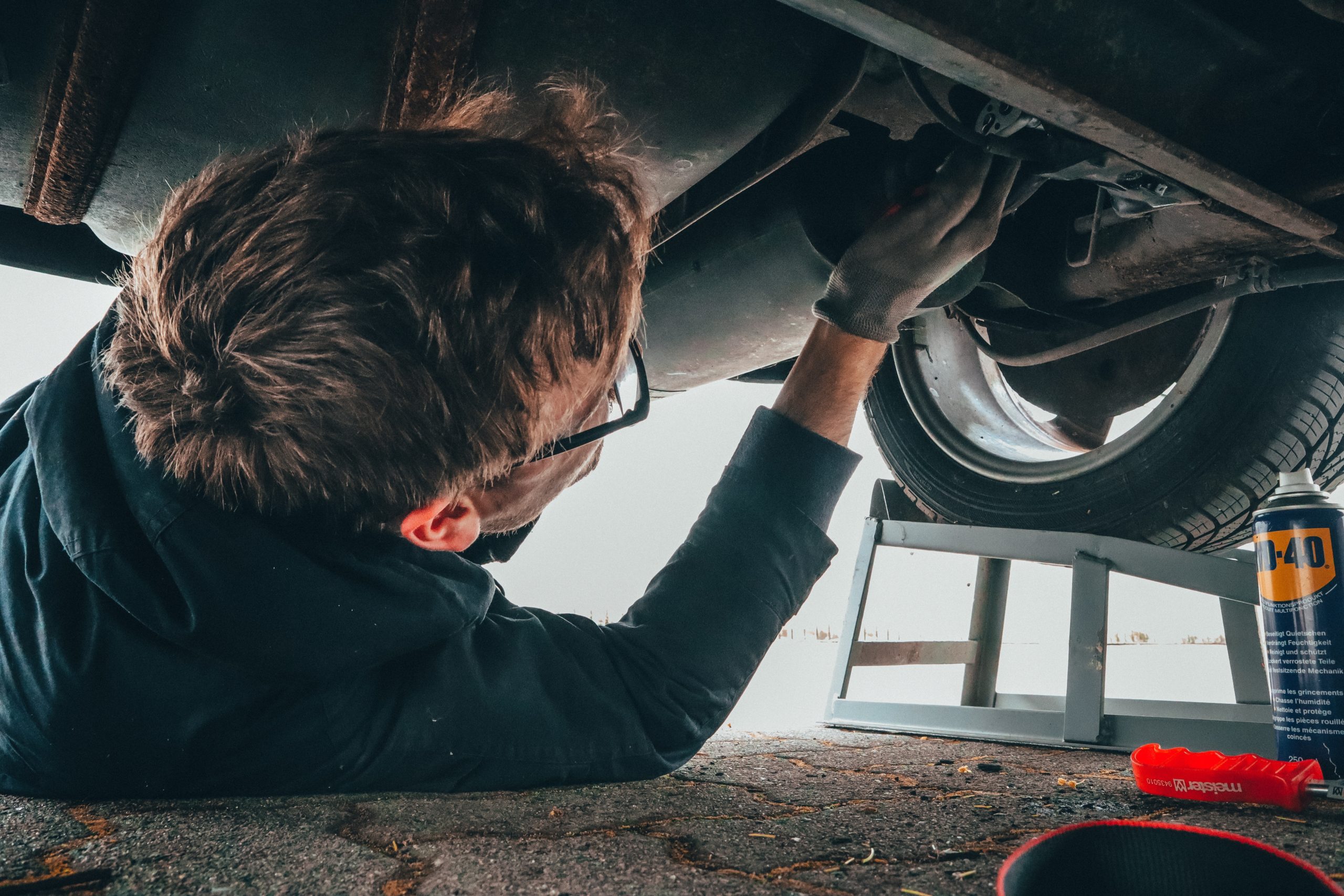
Step 2: Vehicle Inspection
An inspection is arranged at:
- Your home
- A buying centre
- A partner location
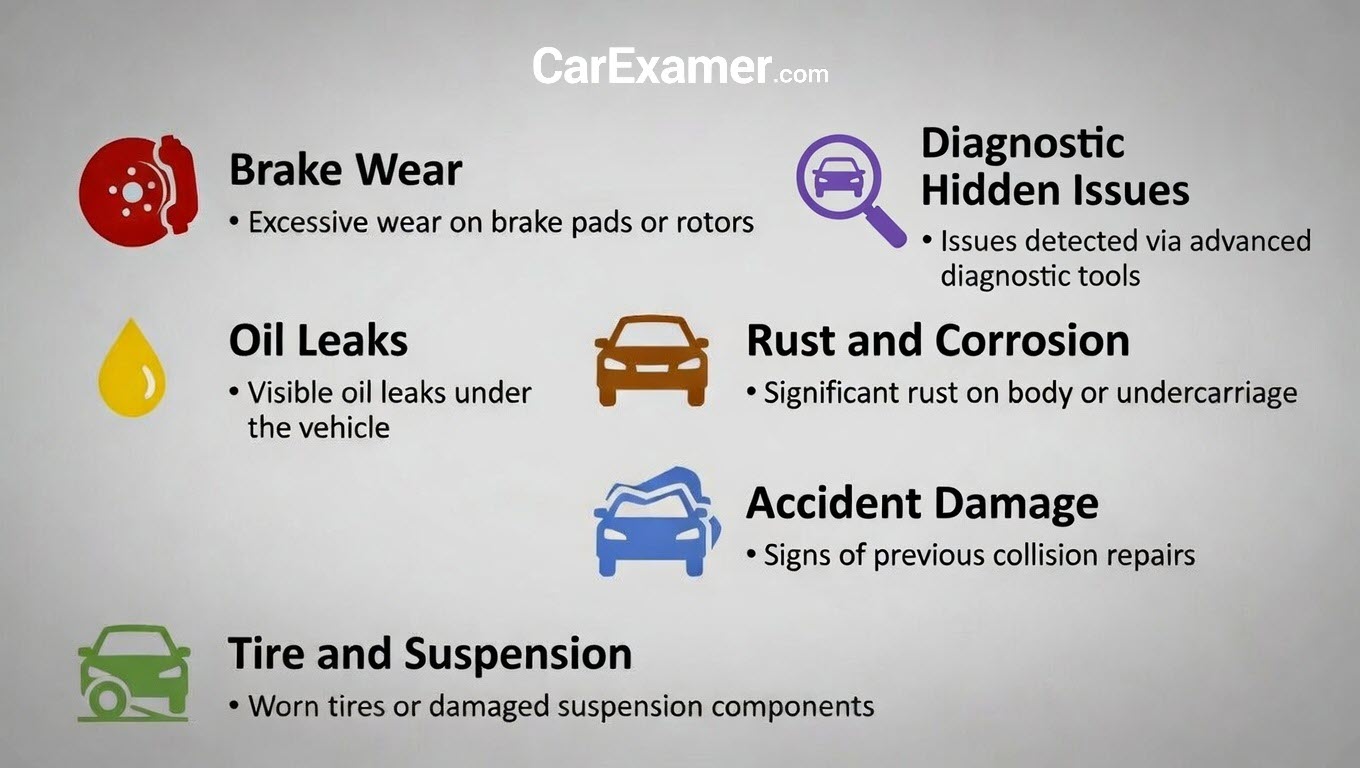
During inspection, the representative checks:
- Bodywork condition
- Interior wear
- Mechanical warning lights
- Service history evidence
- Tyres and brakes
Discrepancies between declared and actual condition can affect the final offer.
Step 3: Final Offer
After inspection, you receive a confirmed offer. This may differ from the online estimate depending on condition.
Offers are typically valid for a short period.
Step 4: Completing the Sale
If accepted:
- Paperwork is signed
- V5C ownership transfer is processed
- Payment is arranged (usually bank transfer)
- Vehicle collection or handover is completed
Funds are often transferred the same day or within 24 hours.
Advantages of Selling to We Buy Any Car Companies
Fast Payment
Ideal if you need immediate liquidity.
No Advertising Costs
No listing fees, no marketing time.
Suitable for Damaged or High Mileage Cars
Many companies accept vehicles with:
- Cosmetic damage
- High mileage
- Minor mechanical issues
Simplified Transaction
Less negotiation compared to private buyers.
Disadvantages to Consider
Lower Sale Price
Trade price means you will almost always receive less than private sale value.
Price Reductions at Inspection
Some sellers report online valuations being reduced after inspection.
Limited Negotiation Power
Unlike private buyers, pricing is often data-driven and less flexible.
How to Maximise Your Offer
Research Multiple Companies
Obtain at least three quotes. Market values fluctuate daily.
Clean and Present the Car Properly
A clean vehicle creates better impression and may reduce negative valuation adjustments.
Gather Documentation
Have ready:
- V5C logbook
- Service history
- MOT certificate
- Spare keys
Be Honest About Condition
Undisclosed damage often results in price reductions during inspection.
Understand Current Market Conditions
Vehicle demand shifts seasonally. For example:
- Convertibles perform better in spring
- 4×4 vehicles perform better in winter
When Selling Privately May Be Better
If your vehicle:
- Has full dealer history
- Is low mileage
- Is high demand
- Is in excellent cosmetic condition
You may achieve significantly higher returns through private sale.
However, consider time investment, risk exposure and negotiation effort.
Safety and Legal Considerations
When selling your car, ensure:
- Outstanding finance is cleared
- You complete V5C transfer correctly
- Payment is received before handing over keys
- You retain written confirmation of sale
Failure to complete DVLA notification can result in fines.
Is Selling to a Car Buying Company Right for You?
This depends on priorities.
If you value:
- Speed
- Simplicity
- Reduced hassle
Then this route may suit you.
If you prioritise:
- Maximum sale value
- Control over pricing
- Negotiation flexibility
Private selling may be preferable.
There is no universal right answer. It is about balancing time, risk and return.
Frequently Asked Questions
1. Do companies that buy cars pay full market value?
No. They offer trade value, which is lower than retail market value. This allows them to resell the vehicle at profit.
2. How quickly do car buying companies pay?
Most reputable companies pay via bank transfer on the same day or within 24 hours after completion.
3. Can I sell a car with outstanding finance?
Yes, but the finance must be settled. Many companies will deduct the settlement amount directly from your payment.
4. Will damage reduce my offer?
Yes. Cosmetic or mechanical issues usually reduce the final offer compared to the initial online valuation.
5. Is selling to a car buying company safe?
It can be safe if you use a reputable provider and confirm payment before releasing the vehicle.