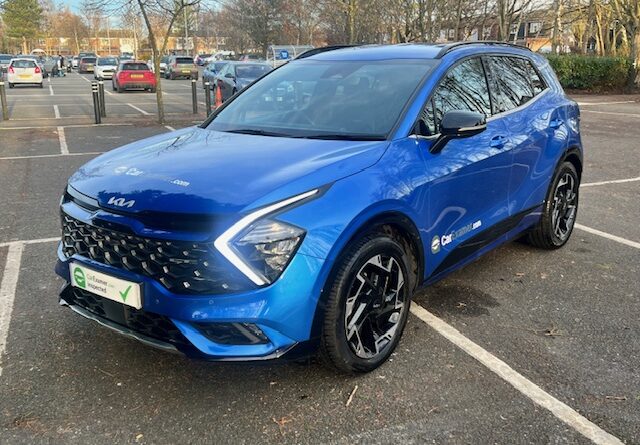
Why is it important to check a used Kia before buying
When considering the purchase of a used Kia, carrying out a detailed pre purchase inspection is one of the most important steps you can take. Kia vehicles are widely recognised for their reliability, value for money, and long manufacturer warranties, which has made them increasingly popular in the UK used car market. However, no used vehicle is completely risk free, and condition can vary significantly depending on how the car has been maintained. A structured inspection helps you understand the true condition of the vehicle, identify hidden issues, and make a confident and informed buying decision. Whether you are looking at a Kia Sportage, Ceed, Picanto, Sorento, or Niro, the same core inspection principles apply.
Why a Used Kia Pre Purchase Inspection Is Important
Kia has built a strong reputation for durability, but factors such as mileage, servicing history, driving style, and previous ownership still play a major role in a vehicle’s condition. A pre purchase inspection helps to identify mechanical or electrical faults, assess wear and tear from previous use, confirm the vehicle has been properly maintained, highlight future maintenance requirements, reduce financial risk, and support price negotiation. Even newer Kia models with remaining manufacturer warranty can have issues that are not immediately visible, making inspection essential.
Vehicle History and Documentation
Before inspecting the vehicle physically, reviewing its documentation is critical. Key checks include Vehicle Identification Number verification, full service history, MOT history, ownership records, recall or software updates, and confirmation of mileage consistency. Kia vehicles often come with long warranties, sometimes up to seven years. It is important to check whether the warranty is still valid and whether servicing has been carried out according to manufacturer requirements, as missing services may void warranty coverage. A vehicle history check is also essential to confirm the car has not been written off, stolen, or subject to outstanding finance.
Exterior Inspection
Begin by inspecting the vehicle’s exterior in good lighting conditions. Check for dents, scratches, paint inconsistencies, rust around wheel arches and door edges, panel alignment and body gaps, condition of lights, mirrors, and trim, and signs of previous accident repairs. Kia paintwork is generally durable, but poor repairs or resprays can indicate previous damage. Uneven panel gaps may suggest structural repairs. Tyres should be checked for tread depth, age, and even wear. Uneven wear may indicate suspension or alignment issues.
Engine Condition and Under Bonnet Inspection
Open the bonnet and inspect the engine bay carefully. Look for oil leaks, coolant residue, damaged hoses or belts, correct fluid levels, and signs of neglect or poor maintenance. Start the engine and listen for abnormal noises such as knocking or rattling. A well maintained Kia engine should idle smoothly and quietly. Check for warning lights on the dashboard. Any lights that remain on after start-up should be investigated further.
Transmission and Drivetrain Assessment
Transmission condition is critical for long term reliability. Manual gearboxes should shift smoothly without resistance or grinding, while automatic transmissions should change gears seamlessly without hesitation or jerking. Many Kia models use dual clutch transmissions, which require proper maintenance. Hesitation or rough gear changes may indicate wear or software issues.
Suspension and Steering Inspection
Suspension components affect ride comfort, handling, and safety. Inspect for excessive bouncing when pressing down on each corner, knocking noises over uneven surfaces, steering play or vibration, and visible wear in suspension components. Kia vehicles should feel stable, predictable, and comfortable during driving.
Brake System Evaluation
Brakes are essential for safety and should be checked thoroughly. Inspect brake pads and discs for wear, check brake fluid level and condition, and test braking performance during a drive. The brakes should feel firm and responsive, without vibration, pulling, or unusual noises.
Electrical and Electronic Systems
Modern Kia vehicles include a wide range of electronic features. Test headlights, indicators, brake lights, infotainment systems, reversing cameras, parking sensors, climate control, electric windows and mirrors, central locking, and dashboard displays. Electrical faults can affect usability and may require specialist diagnosis.
Interior Inspection
The interior condition often reflects how well the vehicle has been cared for. Check seats for wear or damage, dashboard and trim condition, carpets and headlining, operation of all switches and controls, and any unusual smells indicating damp or leaks. Ensure safety features such as seatbelts and airbags are functioning correctly.
Undercarriage Examination
If possible, inspect the underside of the vehicle. Look for corrosion, fluid leaks, exhaust system condition, and damage to suspension or structural components. The undercarriage often reveals issues that are not visible during a standard visual inspection.
Road Test Evaluation
A proper road test is essential. Drive the vehicle at different speeds and on various road surfaces. Assess acceleration, braking, steering response, gearbox performance, ride comfort, and overall drivability. Listen for unusual noises and ensure the car feels stable and predictable.
Common Kia Issues to Watch For
While Kia vehicles are generally reliable, some common issues include clutch wear in manual models, suspension wear on higher mileage vehicles, battery and electrical faults, brake wear, and issues with dual clutch transmissions in certain models. Identifying these issues early can help avoid unexpected costs.
Professional Inspection Consideration
While basic checks can be carried out by buyers, a professional inspection provides a more detailed and reliable assessment. An experienced inspector can identify hidden faults, carry out diagnostic scans, and provide a comprehensive report to support your decision.
Final Thoughts on Buying a Used Kia
A used Kia can offer excellent value, reliability, and practicality. However, a thorough pre purchase inspection is essential to ensure the vehicle meets expectations and does not present hidden risks. By carefully assessing the vehicle’s history, mechanical condition, electronics, and overall performance, buyers can make a confident and informed decision. Taking the time to inspect properly helps reduce risk, avoid unexpected costs, and ensures a smooth ownership experience.
FAQs
What does a Kia pre purchase inspection include?
A Kia pre purchase inspection includes checks of the engine, transmission, suspension, brakes, electrical systems, interior and exterior condition, tyres, undercarriage, vehicle history, and a road test.
Is a pre purchase inspection necessary for a used Kia?
Yes, it helps identify hidden issues and confirms the vehicle has been properly maintained before purchase.
How much does a Kia pre purchase inspection cost in the UK?
The cost typically ranges from 150 to 400 pounds depending on the level of inspection and diagnostics included.
What are common problems in used Kia cars?
Common problems include suspension wear, clutch wear, battery issues, brake wear, and occasional transmission concerns.
Can a Kia pass inspection with hidden faults?
A professional inspection can detect most hidden faults using diagnostics and physical checks.
How long does a Kia inspection take?
A full inspection typically takes between 1 to 3 hours depending on the level of detail.
Do I need a specialist to inspect a Kia?
While not always required, using a qualified mechanic or inspection specialist is recommended.
Can inspection results help negotiate price?
Yes, inspection findings can be used to negotiate a lower price or request repairs.
What happens if I skip a Kia pre purchase inspection?
Skipping an inspection increases the risk of hidden faults and unexpected repair costs.