How a Starter Motor Works: Symptoms and Buying Checks
A starter motor uses electrical energy to turn a combustion engine until it can run under its own power. On a conventional system, a small gear engages with the engine’s ring gear while the motor cranks the engine. Once the engine starts, the starter disengages. It does not supply the fuel or create every condition needed for combustion.
If a car clicks, cranks slowly or does not respond, the starter is only one possible explanation. I would check the starting system as a whole before recommending a replacement. For a used-car buyer, the important questions are whether the fault has been diagnosed, whether the repair is evidenced and whether the vehicle now starts consistently.
What happens when you request an engine start?
Turning a key or pressing a start button sends a request through the vehicle’s starting controls. Depending on the car, the system also needs permission from switches and electronic controls. The starter then converts battery power into the turning force needed to overcome engine resistance.
- The solenoid operates the engagement mechanism and closes the high-current contacts.
- The pinion meshes with the flywheel or flexplate ring gear.
- The electric motor turns the crankshaft through that gear connection.
- When the starting command ends, the drive withdraws from the ring gear.
DENSO’s starter-system overview explains the principal components. The sequence above describes a typical pre-engaged starter. Actual arrangements vary, so a wiring diagram and vehicle-specific instructions matter when diagnosing a fault. A push-button ignition changes the controls, not the need to identify the system fitted.
The main parts inside a conventional starter
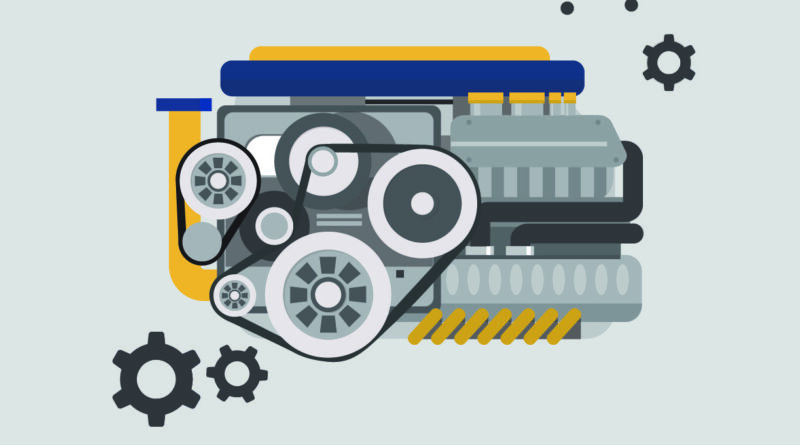
The solenoid combines an electromagnetic actuator with heavy-duty electrical switching. The armature is the rotating part of the motor. Brushes carry current to its commutator in a conventional brushed design, while field windings or permanent magnets provide the magnetic field. Those details vary between starter types.
The drive mechanism includes a pinion and an overrunning clutch. That clutch helps protect the starter when the engine begins turning faster than the motor’s drive. Some designs use reduction gearing to obtain the required turning force from a compact, faster-running motor. DENSO describes these differences in its starter product information. There is no reason to assume that two similar-looking units are interchangeable.
Does a diesel starter work differently?
The broad task is the same: rotate the engine so combustion can begin. However, the starter must suit the engine’s demands. A diesel engine does not use spark plugs to ignite its fuel in the way a petrol engine does. Therefore, an explanation claiming that every starter brings spark plugs into operation is misleading.
For diagnosis, identify the engine and correct starting specification first. A workshop should use the manufacturer’s test limits, not a universal figure copied from another car. Engine size, temperature and mechanical condition can affect the assessment. Our CarExamer website provides access to inspection services if you need broader buying support.
Clicking does not prove that the starter has failed
A click tells you that something has operated, but it does not identify the failed component. Battery condition, connections, supply and control-circuit problems can prevent normal cranking. A solenoid or starter fault remains possible, but fitting a motor before checking the supply can leave the original problem unresolved.
DENSO’s troubleshooting guidance starts with the battery and connections, then uses electrical tests to distinguish possible causes. I would ask for the actual results and conclusion. “It clicks, so it needs a starter” is a symptom followed by an assumption, not a complete diagnostic report.
Slow cranking needs a wider assessment
A slow, laboured start can involve inadequate electrical supply, excessive resistance, internal starter trouble or increased mechanical resistance. The sound alone cannot separate them. Record whether the problem happens from cold, after a journey or only after the vehicle has stood for several days.
Ask whether the battery was tested under appropriate conditions and whether the cables and earth connections were assessed. Our guide to signs of a weak car battery gives useful background. Dashboard lights working normally does not establish that the battery can provide the current needed during cranking.
Separate no-crank from crank-but-no-start
These descriptions lead to different investigations. No-crank means the engine is not being turned by the starting system. Crank-but-no-start means it rotates but does not begin running. Before discussing parts, be clear which behaviour actually occurs and whether the rotation sounds normal.
If the engine turns normally without firing, the cause may lie elsewhere in engine management or the conditions needed for combustion. Replacing the starter because the car “will not start” can miss that distinction. Tell the workshop about warning messages, recent repairs and whether the engine stopped while driving or simply failed at the next start.
Whirring, grinding or continued engagement
A motor that can be heard spinning without turning the engine needs investigation of the engagement system and associated gearing. Grinding is also a reason to stop repeated attempts. It should not be dismissed as a harmless noise simply because the engine eventually starts.
HELLA’s starter-checking guidance covers electrical and mechanical causes. Ask whether the ring gear and drive mechanism need examination, particularly after a previous starter replacement. A new part does not prove the mating components are sound. Continued starter operation after the engine fires also needs prompt assessment rather than another demonstration.
Start-stop cars need the correct replacement
Some cars repeatedly stop and restart their combustion engines in traffic. HELLA’s 2026 starter information describes designs strengthened for frequent starting cycles. Specify the correct application when obtaining a replacement rather than choosing a cheaper unit by appearance alone.
Do not assume every electrified vehicle uses a conventional pinion starter. Establish the fitted architecture before applying this guide. A start-stop function that is temporarily unavailable is not, by itself, confirmation of starter failure. Ask for model-specific investigation instead of accepting a blanket explanation that “they all do that”.
What a sensible diagnostic report should explain
A useful report connects the complaint, test conditions, results and proposed repair. It should say whether the fault was reproduced and what remains uncertain. A stored code can help direct testing, but it is not automatically an instruction to replace the component named in its description.
- Was the battery assessed and the starting complaint reproduced?
- Were the power supply, earth path and starting controls checked?
- Were electrical readings compared with the correct vehicle specifications?
- Was mechanical engagement examined where the symptoms required it?
- Was operation checked again after repair under relevant conditions?
Leave high-current testing and access beneath the vehicle to a competent technician. Do not bridge starter terminals, bypass safety switches or strike the starter as a viewing test. Follow the owner’s handbook for any permitted jump-start procedure, and stop if there is smoke, a burning smell or an abnormal mechanical noise.
Checks to make when viewing a used car
Ask to see a genuine cold start where possible. Before starting, note the warning lights and ask whether the vehicle has been charged, jump-started or warmed up. These actions do not prove a fault, but they change what can be learned from that demonstration.
Listen to the first attempt and record any hesitation, repeated clicks or unusual noise. After a suitable road test, a warm restart may provide additional evidence if permitted. Do not repeatedly cycle the starter to force a fault. An intermittent issue may not appear during a short viewing, and one successful start cannot guarantee future reliability.
Request invoices for any recent battery, starter or wiring repairs. Match them to the car and ask what diagnosis justified the work. Our service-history guide explains how to assess supporting records. A seller’s promise that the fault is inexpensive should be supported by a clear workshop assessment and current quotation.
For example, if a viewing starts with a jump pack already attached, ask to see the battery assessment and the reason external power was needed. The pack may allow the engine to run without explaining why it would not start independently. Record that limitation in your buying notes. If the seller cannot provide a diagnosis, arrange a proper test before committing rather than treating the successful assisted start as proof that the starting system is healthy.
Repair costs and the buying decision
Obtain a vehicle-specific quote covering diagnosis, the correct part, labour and VAT. Access can change labour considerably, and associated damage or wiring work may alter the scope. Ask whether a proposed unit is new or remanufactured, what warranty applies and whether the underlying cause has been addressed.
If the seller agrees to repair the car, record the work and evidence you expect before payment. Otherwise, price the confirmed repair and unresolved risks separately. A discount is not a diagnosis. Delay the purchase when you cannot establish why the car sometimes fails to start.
When a pre-purchase inspection can help
Compare CarExamer’s pre-purchase car inspections and the Standard inspection for broader condition checks. Explain the starting complaint before booking a vehicle inspection. Confirm access, diagnostic coverage and any further workshop testing required. An inspection can document observed behaviour and concerns; it cannot guarantee that an intermittent fault will occur during the visit.