Why is it important to check a used Maserati before buying
Estimated reading time: 6 minutes
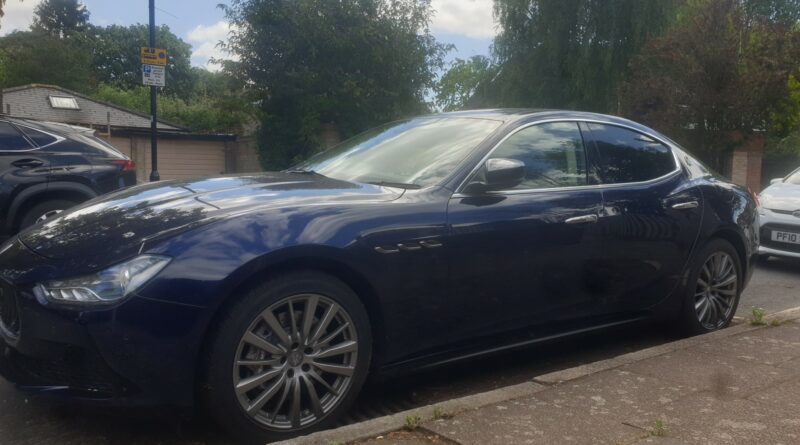
Buying a used Maserati is like stepping into the world of Italian luxury, style, and performance. From the unmistakable engine sound to the elegant interior design, Maserati offers a driving experience that feels special every time. However, to ensure your ownership experience remains exciting rather than expensive, a thorough Maserati pre purchase inspection is essential. A professional inspection check gives you a clear understanding of the vehicle’s true condition and helps protect your investment before you commit.
Why a Pre Purchase Inspection Is Essential for a Used Maserati
Maserati vehicles are high performance luxury cars built with advanced engineering and premium materials. While this delivers outstanding driving pleasure, repairs and maintenance can be costly if problems are missed.
A pre purchase inspection helps to:
- Identify hidden mechanical or electrical issues
- Detect accident damage or poor quality repairs
- Confirm proper maintenance and servicing
- Understand future repair and running costs
- Support confident buying and price negotiation
Engine Condition and Performance
At the heart of every Maserati is a finely engineered engine designed for both performance and sound.
The inspection focuses on:
- Overall engine condition
- Oil leaks or coolant leaks
- Unusual noises at idle or under acceleration
- Signs of overheating or neglect
Early detection of engine issues can prevent extremely expensive repairs later.
Maintenance Records Review
A well maintained Maserati should have a clear and consistent service history.
Inspectors review:
- Scheduled service records
- Evidence of major repairs
- Consistency of maintenance intervals
- Customers responsibility due diligence checks – like car history check, sellers details like ID.
A strong maintenance history is one of the most important indicators of a healthy Maserati.
Exterior Condition and Paintwork
Maseratis are known for their striking design and elegant styling.
Exterior checks include:
- Paint condition and colour consistency
- Dents, scratches, or stone damage
- Panel alignment and body gaps
- Signs of previous accident repairs
Even small cosmetic flaws can sometimes point to deeper structural issues if repairs were poorly carried out.
Interior Inspection
The interior of a Maserati combines luxury materials with advanced technology.
Inspectors assess:
- Seat condition and upholstery wear
- Dashboard and trim quality
- Infotainment and climate control operation
- Function of all electronic features
Interior repairs can be costly due to bespoke materials and specialist components.
Chassis and Structural Integrity
Structural condition is critical for safety and long term value.
The inspection checks for:
- Evidence of accident damage
- Structural repairs or welding
- Poor quality bodywork fixes
Hidden structural damage can seriously affect handling and resale value.
Suspension and Handling Assessment
Maserati vehicles are known for balanced handling and ride quality.
Inspection focuses on:
- Suspension components and bushes
- Steering response and accuracy
- Knocking or creaking noises
- Ride height consistency
Suspension faults can impact comfort, tyre wear, and driving confidence.
Brakes and Wheels
High performance cars demand high performance braking systems.
Inspectors check:
- Brake disc and pad condition
- Calipers for leaks or damage
- Brake feel during driving
- Wheel condition and tyre quality
Proper braking performance is essential for safety.
Electrical Systems Check
Modern Maseratis rely heavily on electronic systems.
Inspection includes:
- Dashboard warning lights
- Infotainment and display operation
- Driver assistance and safety features
- Sensors and control modules
Electrical faults can be complex and expensive to diagnose after purchase.
Exhaust System Inspection
The exhaust system is a key part of the Maserati experience.
Inspectors examine:
- Leaks or corrosion
- Damage or poor modifications
- Exhaust valve operation
Exhaust issues can affect performance, sound, and emissions compliance.
Undercarriage Examination
Inspecting underneath the vehicle often reveals issues not visible from above.
Checks include:
- Rust or corrosion
- Oil or fluid leaks
- Damage to underbody panels
- Exhaust and suspension condition
This step is essential for identifying hidden problems.
Road Test Evaluation
The road test allows the inspector to assess real world performance.
During the drive, they evaluate:
- Engine response and power delivery
- Gearbox smoothness
- Steering feel and handling balance
- Brake performance
- Unusual noises or vibrations
A Maserati should feel refined, powerful, and confidence inspiring.
Safety Checks
Safety systems must be fully functional.
Inspectors confirm operation of:
- Airbags and seatbelts
- Stability and traction control systems
- Warning indicators and safety alerts
Ensuring these systems work correctly is vital for peace of mind.
Final Thoughts on Buying a Used Maserati
A pre purchase inspection for a used Maserati is essential for a confident and enjoyable ownership experience. It provides vital insight into the vehicle’s condition and helps avoid unexpected costs. Whether you are drawn to the elegance of a Ghibli, the performance of a GranTurismo, or the versatility of a Levante, a professional inspection ensures your Maserati lives up to its reputation for luxury and performance. Before you buy, invest in clarity. A thorough inspection is the first step toward enjoying an Italian masterpiece on the road.
FAQs
What is included in a Maserati pre purchase inspection?
A Maserati pre purchase inspection includes a full assessment of the engine, transmission, suspension, brakes, electrical systems, and structural condition. It also covers vehicle history checks, interior and exterior evaluation, and a professional road test to identify any hidden issues.
Is a pre purchase inspection necessary for a used Maserati?
Yes, a pre purchase inspection is essential. Maserati vehicles are complex and expensive to repair, so identifying faults before purchase helps avoid significant financial risk and ensures the car is in good condition.
How much does a Maserati pre purchase inspection cost in the UK?
The cost typically ranges from £300 to £800 depending on the depth of the inspection, location, and whether advanced diagnostics are included. More detailed inspections provide better protection against unexpected repairs.
What are common problems in used Maserati cars?
Common issues include electrical faults, suspension wear, oil leaks, gearbox issues, and signs of poor maintenance. Some vehicles may also show wear from aggressive driving or lack of servicing.
Can a Maserati pass inspection with hidden damage?
A professional inspection using diagnostics and detailed checks can identify most hidden damage, including accident repairs and mechanical faults. However, accuracy depends on the inspector’s expertise and tools used.
How long does a Maserati inspection take?
A comprehensive Maserati inspection usually takes between 2 to 4 hours. More detailed inspections with diagnostics and reporting may take longer.
Do I need a Maserati specialist for inspection?
Yes, it is strongly recommended to use a specialist with experience in Maserati vehicles. Their advanced engineering requires expert knowledge and specialised diagnostic equipment.
What should I check in a Maserati service history?
You should check for consistent servicing, correct intervals, use of approved parts and fluids, and records of major repairs. Missing or incomplete records can indicate potential issues.
Can inspection results help negotiate the price?
Yes, inspection findings can be used to negotiate a better price or request repairs before purchase. It gives buyers leverage and reduces the risk of overpaying.
What happens if I skip a Maserati pre purchase inspection?
Skipping an inspection increases the risk of hidden faults, unexpected repair costs, and long-term reliability issues. It can lead to significant financial losses after purchase.