Used Car Dealer Warning Signs: What to Check Before You Pay
Estimated reading time: 7 minutes
Check a used-car dealer by verifying the business, reading the advert carefully and asking for a written price and sale terms. Watch how the dealer responds to specific questions about the car, its history and what is included. If the seller keeps changing the explanation or asks you to pay before you can verify the vehicle, take time to check or leave the deal.
A bad review, a delayed reply or a small showroom can have an innocent explanation. A pattern of discrepancies matters more. Put what the dealer says alongside the records and your own observations. Save the advert and quote so you can see whether the description or price changes as the purchase progresses.
Verify the business behind the advert and invoice
Find out the dealer’s trading name, legal name, address and phone number. Open its own website separately from the advert and compare the details. The Companies House search can help identify a limited company. A trading name may differ from the legal name and a sole trader may not appear there. Match the business on the advert, paperwork and payment instructions.
If a salesperson contacts you from a different number, call the dealer on a number you found independently. Confirm the vehicle is in stock and that the person can speak for the business. Ask which account receives the payment and who issues the receipt. Do not rely on a logo or an email signature if a new payment request conflicts with earlier details.
Read reviews for details you can check, such as how the dealer handled a fault or whether promised work was completed. Compare dates and locations. Reviews can guide your questions, while the invoice and the dealer’s written answers establish what you are being offered.
Be cautious if a trader claims to be a private seller
Ask who is selling the car and in what capacity. If the advert says the sale is private but the seller regularly offers several vehicles, ask why. If a dealer says it is selling on behalf of somebody else, ask who will be named as the seller in the contract and who you would contact about a problem. Keep the written answer.
Trading Standards guidance for used vehicle sellers explains that a trader must not falsely present itself as a private seller or mislead consumers about statutory rights by using terms such as “sold as seen”. If you are unclear about who is responsible, hold off until you can establish the identity of the seller and which terms apply. Our private seller versus dealer guide covers the practical differences.
Compare the advertised price with the total you must pay
Ask for the cash price of the car and an itemised quote showing anything else you must pay. If the dealer introduces an administration, preparation or handover fee, ask whether you can buy without it. The Competition and Markets Authority’s current price transparency guidance says traders should show the total price upfront, including charges the customer cannot avoid.
Check any warranty, service plan or insurance item in the quote and whether you have agreed to buy it. If you are considering finance, compare the cash price, deposit, APR, total payable and any optional final payment. Our used car finance guide explains how to compare offers. Keep a copy of the advert, finance quotation and invoice if the figures differ.
Ask whether a reservation holds the vehicle or commits you to a sale. Get the amount, expiry and refund terms in writing. Avoid paying an unexpected fee because a salesperson suggests another buyer is waiting. A short delay to verify the terms is worth taking when you cannot tell what you are agreeing to.
For example, if a car is advertised at £8,500 and the dealer later says a £250 preparation fee is compulsory, ask for a revised written quote showing the full price. Keep the original advert. If a product is offered as optional, ask for the price with and without it. These checks make it easier to compare dealers and show what you were asked to pay if the amount is disputed.
Follow up on changes to the description or equipment
Request the registration, exact specification and mileage before travelling. Follow the GOV.UK vehicle buying checks, review the free MOT history and consider a history report for recorded finance, theft or write-offs. If a record conflicts with the advert, ask for evidence to explain it.
For a car advertised with full service history, compare the dates and mileages, plus invoices for major scheduled work. See our service history guide for what a record can establish. Check the stated equipment on the car. If the dealer says a particular issue has been fixed, ask when and how the repair was verified.
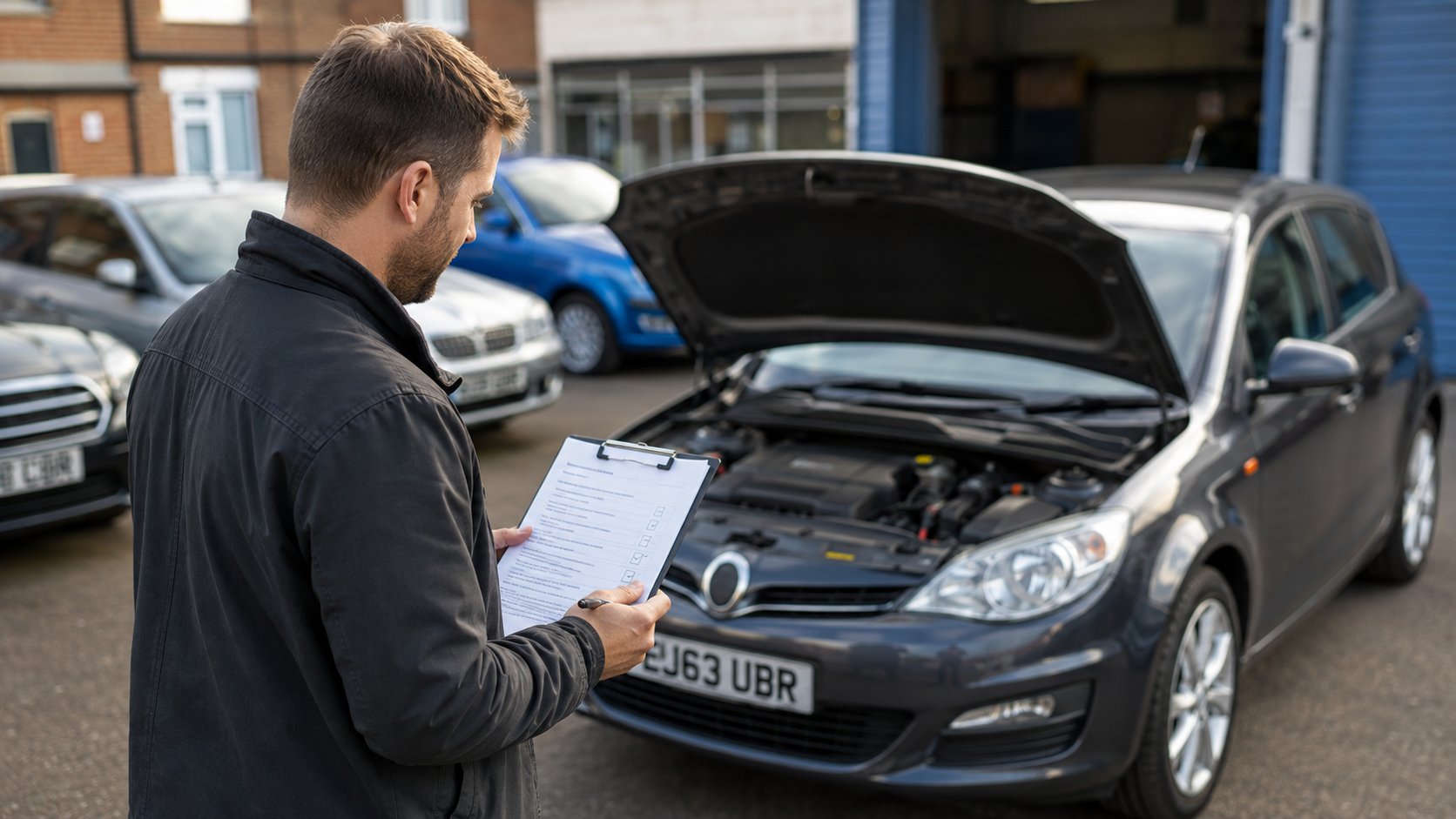
A dealer may prepare a used car before handover. If it needs work, ask for a list of what it will do and what evidence you will receive. If a safety defect, a persistent warning or unexplained damage is present, hold off until it can be assessed. If the dealer declines a test drive or independent check, ask what restriction applies and decide whether the evidence you can obtain is enough.
If a dealer promises replacement tyres or other work before collection, ask which items, who will do the work and when it will be confirmed. Ask to see it completed or obtain the invoice. A general statement such as “fully prepared” leaves open exactly what the dealer agreed to do. If a new issue appears at handover, record it and ask the dealer to clarify the next step before you accept the car.
Be particularly careful with remote payment and delivery
Compare the website, the contact details and the paperwork for the individual sale. An advert on a familiar platform is one route to contact the seller. Our guide to online car buying sites explains how those routes differ. If a dealer claims the car can only be released after a transport fee or requests a payment using a link you did not expect, verify the business and the arrangements separately.
Ask to see the car or arrange a trusted assessment. If using a vehicle inspection, confirm seller access and what the report can cover. You can compare services through the CarExamer homepage. If the dealer is completing the sale remotely, ask when the order becomes binding and how a return would work. Our online car-buying guide explains how distance-selling rights depend on the way the contract is made.
What to do if you have already bought the car
Write to the dealer with the registration, purchase date, description of the issue and the outcome you want. If the finance provider supplied the car, contact it promptly too. Include the advert, invoice, messages, diagnosis and evidence of any promised work. If there is a safety concern, stop driving and ask how the car should be recovered.
The Citizens Advice used-car problem guide explains how remedies can depend on the fault, timing and terms of the sale. Our guide to rejecting a faulty car covers what to record and what to ask for. Ask the dealer whether it belongs to a dispute resolution scheme and check whether the complaint falls within its remit.
If you suspect unfair trading, use the correct reporting route for your part of the UK. Citizens Advice explains reporting to Trading Standards, with links to guidance for the other UK nations. A report can help enforcement authorities identify patterns. A request for a refund or other remedy still needs to be pursued with the relevant business or through the available dispute process.
If you think a car or payment request may be part of a scam, speak to your bank using its official contact details and keep the messages and payment reference. Use the official shopping fraud guidance for the correct reporting route. That is separate from a disagreement about a repair with a business you can verify.
Check these points before handing over money
- The business, seller and payee can all be verified and match the paperwork.
- The complete price and any optional items are clear in writing.
- The car, service evidence, mileage and any agreed repairs match the description.
- You understand the reservation, contract and handover terms.
- Any safety issue or material discrepancy has been investigated.
If the dealer cannot provide enough evidence on an important point, pause. A straightforward purchase gives you time to verify the car, understand the price and know who will deal with you afterwards.