How to Sell Your Car Privately: From Advert to Handover
Estimated reading time: 8 minutes
To sell your car privately, establish a realistic price, describe its condition accurately, arrange safe viewings and verify payment before releasing it. Complete the registration paperwork and keep a clear record of the transaction. A polished advert helps, but evidence and a well-managed handover matter more than ambitious promises.
Private selling can give you more control over the price and buyer discussions. It also means handling enquiries, appointments, negotiation and paperwork yourself. Decide whether that suits your time and circumstances before paying for advertising. Our guide to selling a used car compares the available routes if you are still deciding. This guide follows the process from preparing the car to handing over the keys.
Confirm that you can sell the car
Check your ownership and any finance arrangement before accepting money. Being named on the V5C identifies the registered keeper; it does not, by itself, prove ownership. If finance remains, contact the provider to establish the settlement process and your authority to sell. Do not assume a buyer can simply take over your payments.
The Sale of Goods Act provisions on title address a seller’s right to sell. If you are selling for a relative or another owner, make the arrangement clear and obtain appropriate authority. The buyer should understand who owns the vehicle and who is receiving payment.
Resolve missing or incorrect paperwork early. Follow the appropriate procedure for any personalised registration you want to keep before the sale. Leaving these questions until collection can delay the transaction or undermine the buyer’s confidence.
Set a price using genuinely comparable cars
Compare the same generation, body style, engine, gearbox and trim where possible. Then account for age, mileage, condition, service evidence and significant equipment. A dealer’s asking price may include preparation and contractual responsibilities that differ from a private sale, so it is not automatically your target.
Look at several examples rather than the most expensive advert. Asking prices are not proof of completed sale prices. Note how your car differs and decide on an initial price and the lowest amount you would accept without feeling pressured.
If enquiries are weak, review the whole advert before cutting the price. Poor photographs, missing details or an unclear history may be discouraging buyers. If the car has travelled a substantial distance, our guide to selling a high-mileage car explains how to present its maintenance evidence and assess realistic comparisons.
Prepare the car and assemble its records
Clean the exterior and interior so a buyer can assess them properly. Remove personal belongings, but do not hide damage, cover warning lights or erase fault information to improve appearances. Investigate unresolved symptoms where practical and describe what remains uncertain.
Gather the documents and equipment that belong with the car:
- V5C and the information needed for the keeper change.
- Service invoices and available digital service records.
- MOT information and evidence of work addressing previous faults.
- Spare keys, handbook and locking wheel nut tool where supplied.
- Charging cables and other relevant original equipment.
- Receipts or warranty documents for significant recent repairs.
Separate servicing from repairs and MOT testing. A recent MOT is not a full mechanical assessment, and an oil change does not establish that every maintenance requirement is current. If the service history has gaps, identify them instead of advertising a full history that the paperwork cannot support.
Before spending on cosmetic work, compare the quotation with the likely benefit. A thorough clean and a missing inexpensive trim piece may be worthwhile; extensive refurbishment may not recover its cost. Keep receipts for completed work and avoid increasing the asking price by every pound spent without checking comparable cars.
Write an advert that survives a viewing
State the correct version, registration year, mileage, transmission and fuel type. Describe useful equipment that is actually fitted and working. Include relevant ownership history, maintenance and known defects in plain language. Avoid phrases such as ‘perfect condition’ or ‘needs nothing’ unless you can substantiate them.
Photograph the car in good daylight from several angles, including the cabin, boot and any significant damage. Keep pictures current and representative. Do not edit out marks or use photographs of a better example. Explain an intermittent fault as intermittent rather than presenting the absence of a warning light in one photograph as a repair.
Protect documents when advertising. GOV.UK’s selling guidance warns against sharing the V5C document reference number or pictures and copies of the log book. Show relevant paperwork appropriately at a viewing without publishing sensitive details online.
Choose a platform and manage enquiries consistently
Check advertising fees, listing duration, contact arrangements and the platform’s current seller guidance. Use a dedicated description that answers likely questions rather than relying on a short collection of sales phrases. Keep a copy of the published advert and material messages.
Our buying guides for Autotrader, Gumtree and CarGurus help you understand what buyers may check. If using eBay, Motors or Facebook Marketplace, read the relevant platform terms as well.
Answer reasonable questions consistently. If you discover an error in the advert, correct it and tell anyone already arranging a viewing. Do not guess about previous repairs or ownership. Explain what the records show and what you do not know. Our online car-buying guide provides further context for the checks a careful buyer may request.
Arrange viewings and test drives safely
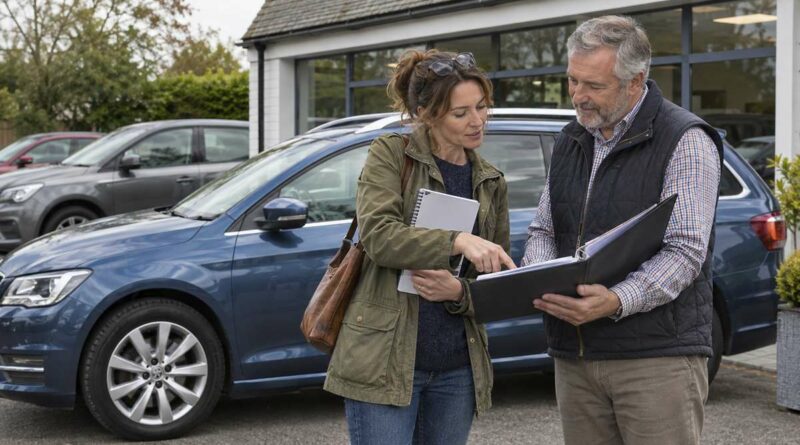
Arrange a sensible time and place, and have another trusted adult present where possible. Allow enough time for the buyer to inspect the car without rushing. Keep control of the keys and documents while discussing the vehicle.
Before a test drive, check the buyer’s driving licence and valid insurance for driving your particular car. Do not assume that owning another insured car provides adequate cover. Confirm the level and conditions of cover, including whether damage to your vehicle is covered. If uncertain, resolve that with the insurer before anyone drives.
Autotrader’s selling-safely guidance recommends accompanying the buyer and checking licence and insurance evidence. Agree a suitable route and never let sales pressure override personal safety. If the buyer cannot drive it lawfully, an appropriately insured demonstration drive or a later appointment is preferable to taking a risk.
Deal openly with condition questions
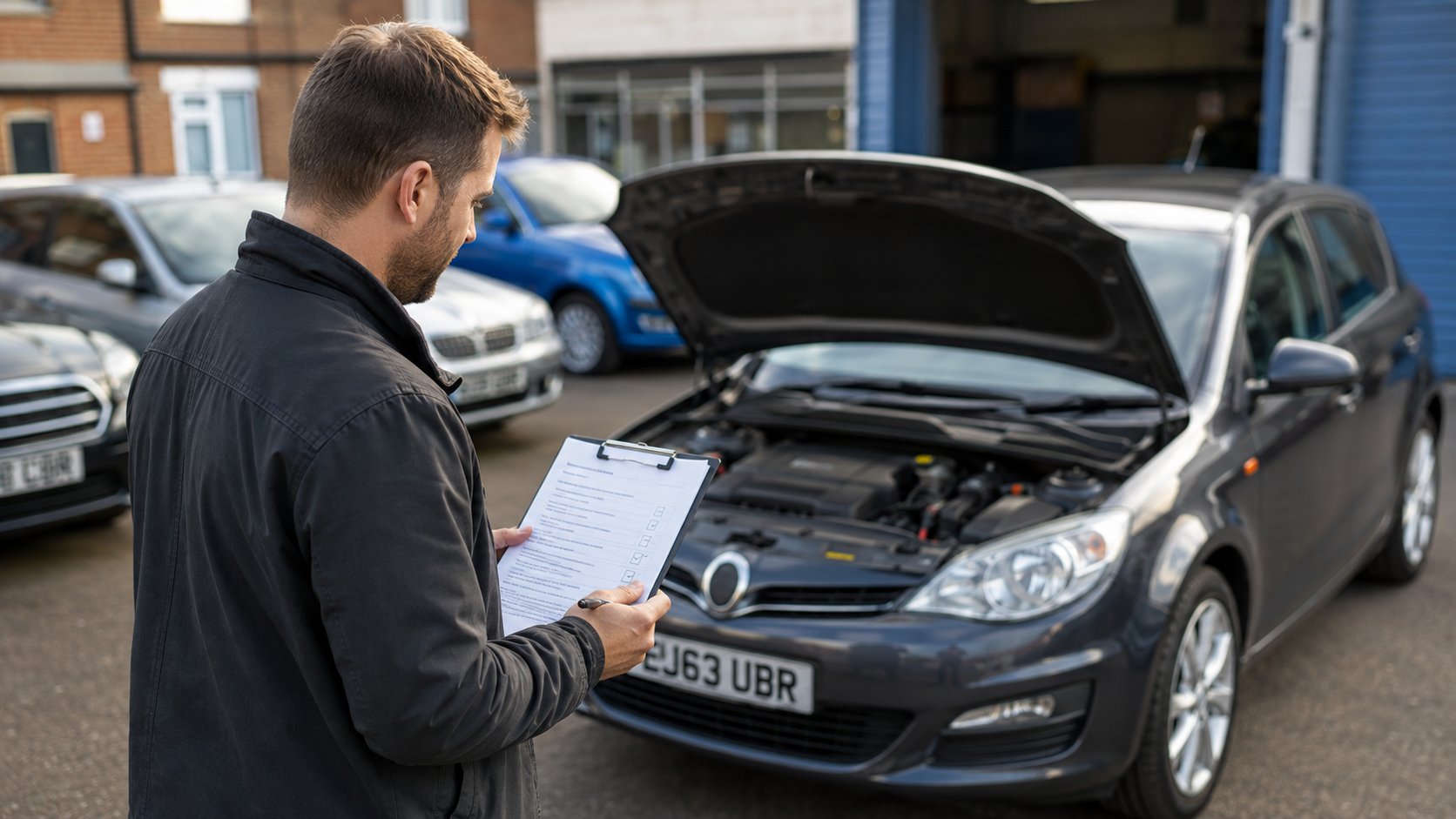
A buyer may request an independent assessment. Agree access, timing and the scope of any checks, including whether a road test is proposed. A vehicle inspection can help identify accessible condition issues and further checks, but it does not guarantee reliability or a particular selling price.
Do not treat ‘sold as seen’ as permission to misdescribe the car or ignore roadworthiness. In Great Britain, section 75 of the Road Traffic Act restricts supplying unroadworthy vehicles, subject to its provisions. If selling a project or a vehicle that cannot safely be driven, obtain advice on the correct arrangement rather than relying on a label in the advert.
Where an assessment identifies a concern, distinguish an observation from a confirmed diagnosis. You can agree further investigation, a justified price adjustment or no sale. Record any significant agreement so neither party has to rely on memory.
If the buyer wants additional work completed before collection, agree exactly what is included, who will carry it out and what evidence will be provided. Do not promise that a repair will solve an unrelated symptom.
Agree the price and verify payment yourself
Negotiate using condition and evidence. A repair estimate may justify discussion, but an unsupported claim that every component needs replacing is not a valuation. You can decline an offer or pause while checking a point.
If accepting a deposit, record its amount, purpose, the agreed price and what happens if either party withdraws. Avoid assuming that a short message settles every possible dispute. Make any conditions clear before the money is paid. See our used car deposit refund guide for the differences between private and dealer transactions.
Check payment through your own bank using your usual trusted method. A buyer’s screenshot, email or apparent transfer confirmation is not evidence that funds are available to you. Ask your bank about any uncertainty or unusual payment arrangement before releasing the car. Be cautious about overpayments, requests to refund a difference and collection agents whose identity or authority is unclear.
Complete the paperwork and final handover
Prepare a receipt for both parties showing names and addresses, vehicle details, mileage, price, payment method, date and time of handover. Record relevant disclosed faults and agreed conditions accurately. Keep a copy with the advert and correspondence.
Use the official DVLA vehicle-transfer service and follow its instructions for the transaction. Give the buyer the appropriate new-keeper slip. Vehicle tax does not transfer with the car; the buyer must arrange their own tax before driving it. DVLA cancels your tax after notification and refunds eligible full remaining months under its tax refund process.
Remove personal data from the infotainment system and connected accounts using the manufacturer’s instructions. Hand over the agreed keys, records and equipment once payment and the sale arrangements are complete. Contact your insurer about the completed sale and retain the DVLA confirmation. A clear final record is more useful than a hurried goodbye and an assumption that someone else completed the administration.