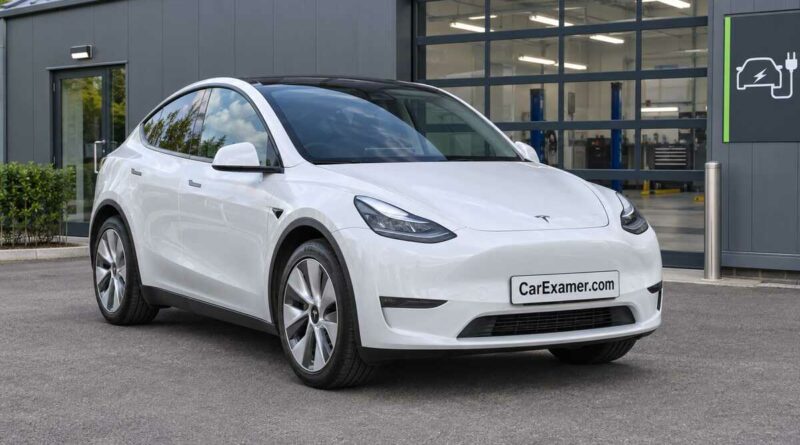
Tesla Model Y Service Schedule: UK Maintenance Guide
The Tesla Model Y needs maintenance even though it does not follow a conventional annual engine-service schedule. The useful approach is to track individual tasks, assess wear and investigate faults when they appear. For used-car buyers, the priority is establishing what applies to the specific vehicle and whether the seller can show that the work was completed.
This guide uses Tesla’s UK guidance checked in November 2026. It covers routine planning and purchase assessment, including differences between earlier cars and the refreshed Model Y. Confirm the latest recommendations in the car’s own touchscreen manual and maintenance display before booking work. Registration year, trim name and online advertisements do not always identify the precise build or equipment.
Is there a compulsory annual Tesla Model Y service?
Tesla’s UK maintenance page says its vehicles do not require an annual maintenance service. That removes the familiar yearly engine-service pattern, not the need to maintain the car. An independent condition check may still be useful, particularly before purchase or when preparing for substantial use, but describe it accurately rather than calling it a manufacturer-mandated annual service.
Ask a workshop to itemise its proposed work. A package might contain routine filter replacement, a visual inspection and separate diagnostic charges. Those are different services. Knowing the scope helps you compare quotes and prevents an inexpensive inspection package being mistaken for completion of every maintenance item or repair the vehicle needs.
Current Model Y maintenance schedule
Tesla publishes separate 2020 to 2024 and current Model Y maintenance sections. The following is a planning summary, subject to applicability and the car’s instructions.
| Task | Published interval or trigger |
|---|---|
| Brake-fluid health check | Every four years; replace if necessary. Heavy brake use may require earlier checks. |
| Cabin air filter | Replace every two years. |
| HEPA and carbon filters, where fitted | Replace every three years. |
| Wiper blades | Replace yearly, with earlier attention if ineffective. |
| Brake-caliper cleaning in winter-salted areas | Every year or 12,500 miles; lubrication requirements differ by build. |
| Tyre rotation, where configuration permits | Every 6,250 miles or a 1.5 mm tread-depth difference, whichever comes first. |
Do not wait for a scheduled interval when a fault or safety concern is already present. Damage, unusual wear and warning messages need their own assessment. A calendar helps organise maintenance, but it cannot establish the condition of a particular tyre, brake or electrical component.
The brake-lubrication distinction after February 2025
Tesla’s UK support page states that brake lubrication is not required for Model Y vehicles produced after February 2025. The earlier manual describes cleaning and lubrication in winter-salted areas, while the current manual specifies cleaning. Confirm the build and applicable procedure instead of copying an older all-model checklist. Cleaning and condition assessment remain separate from whether grease is required.
During purchase assessment, look for evidence behind brake work and investigate symptoms such as scraping, vibration or pulling. Low friction-brake use does not prove that discs and calipers are free from corrosion or binding. Ask what was measured or found, and whether the quotation is for maintenance, worn components or diagnosis of an unresolved complaint.
A four-year fluid health check is also different from an automatic two-year replacement. Obtain the test result and any recommendation. If maintenance evidence is absent, allow for the appropriate assessment rather than assuming either that replacement is essential or that nothing needs doing.
Filters, climate control and the old desiccant interval
Cabin filters and HEPA/carbon filters are separate maintenance items. Ask which components an invoice covers; “air filter changed” is too vague to establish that both jobs were done. Confirm the vehicle’s equipment and current maintenance reminders before ordering parts. An odour or weak airflow should be assessed rather than automatically attributed to one overdue filter.
Older advice may specify a four-year A/C desiccant-bag replacement. Tesla’s current UK support schedule lists no scheduled replacement for Model Y and directs owners to the vehicle’s maintenance information for applicable needs. Do not purchase a job solely because an old generic chart lists it. Equally, this does not mean a faulty climate system can be ignored.
Test heating, cooling, demisting and ventilation at a viewing. Note the settings and conditions when a problem occurs, and ask for repair evidence if the seller says it has already been resolved. A brief demonstration of cold air does not diagnose every intermittent fault, so agree further investigation where symptoms remain unexplained.
Tyres and suspension: assess the whole wheel package
Record the fitted tyre sizes, specifications, makes, tread depths and damage. Check accessible inner shoulders as well as the outer edges. Rotation must suit front-to-rear sizes and tyre direction; it is not a universal instruction to swap every wheel. Ask a competent tyre professional to confirm the correct arrangement for the car.
Uneven wear should prompt questions about alignment, suspension and previous impact damage. New tyres can hide the earlier pattern without explaining its cause. On a suitable road test, note knocks, steering vibration and pulling, then obtain a diagnosis if needed. Avoid guessing a specific failed component from a noise alone.
Price replacement tyres and any required investigation before negotiating. Different wheel packages can change the cost and practical options, so compare like-for-like quotations. A lower purchase price can quickly lose its appeal if several wear items need immediate attention and the estimate was based on the wrong tyre size.
Read maintenance records as evidence, not reassurance
Where available, review Controls, Service, Maintenance with the seller. The Maintenance Summary records actions, but owners are responsible for its accuracy. Compare dates and mileage with invoices and repair documents. A reminder reset is useful context, not independent confirmation that a job was completed correctly or that every component was examined.
Ask about repeated repairs, outstanding estimates and unresolved alerts. A service visit to address a window fault does not demonstrate that brakes and suspension were assessed at the same time. Keep a list of what each record establishes and what remains unknown. This is more useful than simply counting workshop visits.
Battery assessment and general condition are different checks
Ask the seller to demonstrate charging and show any warnings. Establish what equipment is included and whether a battery-health claim comes from a documented test or a dashboard estimate. Record the method and limitations. Displayed range or a short drive alone cannot establish the condition of every high-voltage component.
Arrange an independent vehicle inspection and confirm its EV scope in advance. A pre-purchase condition assessment can identify issues needing investigation, but specialist battery testing may be separate. Leave high-voltage systems and battery coolant work to appropriately qualified professionals. Do not open a battery enclosure or treat a coolant warning as a routine owner top-up.
Make workshop visits and quotations specific
Before booking, describe the problem in practical terms: when it happens, which conditions trigger it and whether a warning appears. A note that the cabin fails to warm on cold mornings is more useful than requesting a generic service. Supply photographs or recordings where appropriate, and ask whether the proposed appointment includes diagnosis or only the maintenance tasks selected.
For an independent workshop, establish its familiarity with the relevant Model Y and its access to suitable information and equipment. Ask who will undertake any high-voltage work and which procedures are outside its scope. A competent provider should explain where another specialist is needed. Avoid treating a familiar brand name on the building as proof that every possible assessment is included.
Compare quotations using the same task list, including parts, labour and VAT. Agree how additional findings will be authorised. After the work, retain an invoice recording the vehicle, date, mileage and completed tasks. Where a reminder is reset, ensure it corresponds to work actually done. This creates a traceable history instead of a collection of unexplained screen entries.
For example, a three-year-old car with missing filter invoices, uneven rear tyre wear and a recurring suspension noise needs several decisions. Establish which filters are due, measure and price the correct tyres, and investigate the noise before agreeing a repair. A low package price that addresses only filters leaves the more important uncertainty unresolved.
Build a realistic first-year maintenance plan
- Identify the build, equipment and applicable manual.
- List due maintenance and compare it with dated evidence.
- Obtain separate estimates for wear items and unresolved symptoms.
- Review MOT history and investigate recurring advisories.
- Record assessment limitations and arrange specialist checks before committing where necessary.
The absence of an annual service requirement does not remove MOT obligations. Check the applicable due date using official MOT guidance, including the different Northern Ireland arrangements. For a comparison with the saloon, our Model 3 service schedule guide explains that model’s maintenance questions.
Buy on the strength of the individual Model Y’s records and condition. Proceed when necessary work is understood and affordable; pause when important evidence or tests are missing. An organised maintenance plan supports ownership, while a clear assessment helps prevent a low advertised price disguising a larger immediate bill.
If you are comparing the Model Y with another make, our electric-car servicing guide explains why schedules differ and how to separate routine maintenance, MOT tests, repairs and battery-health assessments.