


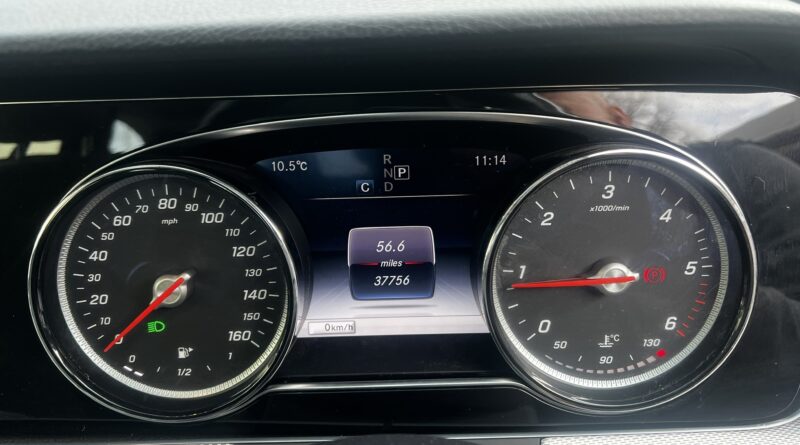
UK Used Cars with Altered Mileage: The Facts About Car Clocking
Estimated reading time: 7 minutes
Buying a used car in the UK can be a cost-effective way to get on the road, but it also comes with risks. One of the most serious and widespread issues affecting the used car market is altered mileage, commonly known as car clocking. Car clocking involves changing a vehicle’s odometer reading to make it appear that the car has covered fewer miles than it actually has. This practice can significantly inflate a vehicle’s value and hide wear, damage, and maintenance requirements from unsuspecting buyers.
Industry estimates suggest that millions of vehicles on UK roads may have inaccurate mileage readings. While car clocking was once associated mainly with dishonest traders working in the shadows, the practice has evolved. Today, specialist equipment is widely available and companies openly advertise mileage correction services, often operating in a legal grey area. This makes it more important than ever for buyers to understand how car clocking works, why it happens, and how to protect themselves.
What Is Car Clocking
Car clocking is the deliberate alteration of a vehicle’s recorded mileage reading to show a lower figure than the car has actually travelled. Historically, this involved mechanically winding back analogue odometers. Modern vehicles use digital odometers, which can often be altered electronically using diagnostic tools or specialised software.
While the process may sound technical, it has become relatively straightforward for those with access to the right equipment. In many cases, mileage can be changed in minutes, leaving no obvious physical signs that the odometer has been tampered with.
How Widespread Is Car Clocking in the UK
Car clocking is far more common than many buyers realise. Estimates suggest that up to 2.5 million vehicles in the UK could have had their mileage altered at some point. This means a significant proportion of used cars may not be presenting an accurate picture of their true usage.
The financial impact is substantial. A clocked car can be worth thousands of pounds more than its true value, and buyers may also face higher repair and maintenance costs because servicing schedules are based on mileage.
Why Car Clocking Happens
There are several reasons why mileage alteration occurs. One of the biggest drivers is finance agreements. Modern car finance products such as Personal Contract Purchase and Personal Contract Hire often include strict mileage limits. Exceeding these limits can result in substantial penalties when the vehicle is returned or sold. Some owners turn to mileage correction services to avoid these charges.
Another factor is the ease of altering digital odometers. As vehicle technology has advanced, so too have the tools used to manipulate mileage. Some companies claim they provide mileage correction to fix corrupted or faulty odometer readings, but this service can also be abused.
Mileage manipulation may also occur in company car schemes or mileage allowance systems, where individuals seek to increase reimbursement by adjusting recorded mileage.
Is Mileage Correction Ever Legitimate
There are limited circumstances where mileage correction may be legitimate. For example, if a vehicle’s instrument cluster fails and is replaced, the recorded mileage may need to be corrected to reflect the true distance travelled. In these cases, the work is usually carried out by a main dealer or authorised specialist and supported by clear documentation.
The key distinction is transparency. Legitimate mileage correction should always be documented, with records showing the original mileage, the reason for the correction, and who carried out the work. Without this paperwork, any mileage change should be treated with caution.
The Legal Position on Car Clocking
Car clocking occupies a complex legal position in the UK. It is not illegal to alter a vehicle’s mileage in isolation. However, it is illegal to sell a vehicle with an incorrect mileage without clearly disclosing the discrepancy to the buyer. Sellers who knowingly misrepresent a vehicle’s mileage can face prosecution under the Consumer Rights Act, which requires goods to be as described. The Fraud Act 2006 also applies, as altering goods for financial gain through deception is a criminal offence. These laws can apply to both traders and private sellers. Despite this, enforcement can be difficult. Proving who altered the mileage and when can be challenging, particularly when vehicles have changed hands multiple times.
The Impact of Brexit and European Legislation
The European Parliament previously announced measures aimed at banning mileage manipulation across member states. However, since the UK left the European Union, it remains unclear whether similar legislation will be adopted domestically. As a result, UK buyers must continue to rely on due diligence rather than regulatory protection alone.
The Risks of Buying a Clocked Car
The consequences of buying a car with altered mileage go beyond overpaying. Mileage is a key factor in determining when critical maintenance is required. A clocked vehicle may miss essential servicing such as timing belt replacement, gearbox servicing, or suspension work, increasing the risk of mechanical failure.
Higher-mileage vehicles also experience more wear on components such as brakes, tyres, steering, and suspension. A lower displayed mileage can give a false sense of security and lead to unexpected repair bills.
There is also the issue of resale. If you later discover the mileage is incorrect, selling the vehicle becomes more difficult, as you are legally required to disclose the discrepancy.
How to Spot Signs of Car Clocking
While modern clocking methods can be difficult to detect, there are warning signs buyers should look for. Excessive wear on seats, steering wheels, pedals, and gear knobs that does not match the displayed mileage can be a red flag. Service records that stop abruptly or show inconsistencies in recorded mileage should also raise concerns.
MOT history can provide valuable insight. Large drops in recorded mileage or unexplained gaps between tests may indicate tampering. A vehicle history check can reveal discrepancies between mileage records held by insurers, finance companies, and previous MOTs.
The Role of Vehicle History Checks
A vehicle history check is one of the most effective tools for identifying mileage discrepancies. These checks compile data from multiple sources, including MOT records, insurance databases, and finance providers. While no check is foolproof, inconsistencies in mileage records are often one of the first indicators of clocking.
History checks should be used alongside a physical inspection and review of service documentation rather than relied on in isolation.
Professional Inspections and Mileage Verification
A professional vehicle inspection can help identify signs of mileage manipulation by assessing overall condition against the recorded mileage. Experienced inspectors look for patterns of wear and tear that may not align with what the odometer suggests.
While an inspection cannot always confirm clocking definitively, it can highlight inconsistencies that warrant further investigation before purchase.
Why Car Clocking Continues to Be a Problem
The used car market remains competitive, and buyers often focus heavily on mileage when comparing vehicles. Lower mileage is associated with better condition and higher value, creating strong incentives for dishonest sellers.
Until there is clearer regulation and more consistent enforcement, car clocking is likely to remain an issue. Education and awareness are therefore crucial for buyers.
How Buyers Can Protect Themselves
Buyers should approach unusually low mileage with caution, particularly on older vehicles. Always check MOT history, review service records carefully, and use a reputable vehicle history check. Comparing wear and condition against mileage can provide valuable clues.
If anything does not add up, it is often better to walk away. There will always be another car.
Final Thoughts on Car Clocking in the UK
Car clocking undermines trust in the used car market and exposes buyers to financial and safety risks. While the practice has
become easier to carry out, it can also be detected by informed buyers who take the time to check documentation, history, and condition carefully.
Understanding how car clocking works and why it happens puts buyers in a stronger position to avoid costly mistakes and make safer purchasing decisions.
Frequently Asked Questions
What is car clocking
Car clocking is the practice of altering a vehicle’s recorded mileage to make it appear lower than the car has actually travelled.
Is car clocking illegal in the UK
Altering mileage itself is not illegal, but selling a vehicle with incorrect mileage without disclosure is illegal and may constitute fraud.
How common is car clocking in the UK
Industry estimates suggest that millions of vehicles on UK roads may have inaccurate mileage readings.
Can mileage ever be corrected legally
Yes, but only in limited circumstances such as replacing a faulty instrument cluster, and it should always be supported by clear documentation.
How can buyers spot a clocked car
Warning signs include inconsistent service records, MOT mileage discrepancies, and excessive wear that does not match the recorded mileage.
Do vehicle history checks show clocking
Vehicle history checks can reveal mileage inconsistencies, but they should be used alongside inspections and document checks.
What should I do if I suspect a car is clocked
If you suspect mileage manipulation, it is usually best to walk away unless the seller can provide clear and credible evidence explaining the discrepancy.