Surprise Car Repair Bills: Diagnosis, Quotes and Approval
Estimated reading time: 8 minutes
A surprise car repair bill needs checking against what you authorised, what the garage diagnosed and what the price includes. Ask for a written breakdown before approving further work. A large difference between two quotations deserves investigation, but the difference alone does not establish overcharging or prove that both garages are offering the same repair.
Keep the vehicle’s immediate safety separate from the billing discussion. If it is overheating, losing coolant or showing a serious warning, stop using it and arrange appropriate assistance. Do not continue driving merely to reach a cheaper garage or reproduce the fault. Once it is safe, organise the evidence and decide what needs explaining.
What the original repair complaint can and cannot tell us
The earlier version of this article described an online complaint from a customer called Ed. It reported a diagnostic charge of just under £90 and repair figures of about £2,000 and £600 from different businesses. Those are historical figures from the account, not current quotations or verified typical repair prices.
The original invoices, job instructions, diagnosis and full specification of each proposed repair are not available here. It is therefore not possible to establish whether the work was equivalent, whether charges were properly agreed or who was responsible for the underlying fault. The useful lesson is to obtain that missing evidence before drawing conclusions.
For a first purchase, our first-car buying guide helps with preparation. A complaint after purchase also needs its own evidence trail; it cannot be resolved from a review’s headline figures alone.
Agree what a diagnostic charge covers
A diagnostic appointment can involve an initial inspection, electronic checks, measurements or further investigation. Ask whether the fee buys a stated amount of time, a defined set of tests or a particular deliverable. Establish what happens if the cause is not confirmed within that scope.
Ask for the labour rate, initial spending limit, VAT position and any dismantling or reassembly charges. Say how you want the garage to contact you before extending the work. If you cannot answer the phone, agree whether it should stop at the limit rather than assume approval.
The Motor Ombudsman’s published diagnostic-fee case illustrates why the wording matters: the dispute concerned whether an agreed fee covered diagnosis or only the first hour of investigation. That outcome depended on the correspondence in that case. It does not mean every unresolved diagnosis must be refunded.
Keep the booking confirmation and explain the symptom accurately. Include when it happens, relevant warnings and previous repair attempts. A clear instruction helps distinguish the investigation you requested from work that was never part of the original booking.
Separate observations, diagnosis and proposed repair
Ask the garage to state what it found, how it tested the concern and why the recommended work follows. A low coolant level, for example, describes an observation; it does not on its own establish the source of the loss or the full repair required. Avoid treating a suspected cause as a confirmed finding.
A useful written account identifies the vehicle, mileage, symptoms, tests completed, results and remaining uncertainty. Diagnostic codes can support an investigation, but a code description alone is not a complete explanation of which component needs replacing. Ask whether the fault was reproduced and what checks ruled out other causes.
If further dismantling is needed, agree its purpose, cost limit and the possible next decisions. Establish how the car will be left if you decline the repair. Do not approve an open-ended strip-down without understanding access, reassembly and any consequences for moving the vehicle.
Know whether you have a quotation or an estimate
Citizens Advice’s car-repair guidance distinguishes a quotation for agreed work at an agreed price from an estimate, which is an approximate cost. Ask the garage to label its document clearly and describe the work covered, rather than relying on a verbal total.
Read any qualifications. A price may exclude a separate fault, damaged fasteners found during dismantling or testing that has not yet been authorised. That does not make every later increase acceptable; it means the scope and approval process need to be clear before work starts.
Record a specific spending limit and require contact before additional work. Avoid a broad instruction to do whatever is necessary unless that is genuinely what you intend. If the garage proposes a change, ask for the reason, revised amount and effect on completion before giving a clear answer.
Compare two repair offers on the same basis
Request an itemised specification from each repairer. Compare the diagnosed fault, parts and part quality, labour tasks, fluids, related components, calibration or programming, testing and VAT. Check whether the cheaper offer includes all the work the first garage proposed or only one stage of it.
- Are both quotations for the same confirmed fault?
- Are parts new, remanufactured or used, and what warranty applies?
- Does the price include access, dismantling and reassembly?
- Are fluids, seals and required related tasks included?
- What final tests will establish whether the symptom has been resolved?
- Are transport, storage or diagnostic charges separate?
A different labour rate or repair method may explain a legitimate price difference. Equally, an unexplained item deserves questioning. Ask the businesses to clarify their own proposals rather than assuming one must be dishonest or the cheapest must be complete. Keep confirmed differences separate from unanswered questions.
Check the invoice and approval record
Compare the final invoice with the booking, quotation and later approvals. Identify the disputed line, amount or task precisely. Ask when additional work was authorised, by whom and how that agreement was recorded. Keep emails, messages and dated notes of telephone conversations together.
The Motor Ombudsman Service and Repair Code, updated on 1 June 2025, sets expectations for accredited businesses. These include transparent pricing, agreed work and a complaints process. The applicable code version depends on when the dispute occurred; the current version should not be applied retrospectively to the old complaint above.
Where repair quality is in question, describe the actual continuing symptom. A bill can be clearly itemised while the repair result still needs investigating. Conversely, an expensive repair that works correctly may leave a separate question about whether its scope and cost were agreed.
Check who is being asked to pay before work starts. If you believe the selling dealer, finance provider or warranty company should cover the repair, notify the relevant party and follow the applicable approval process. Do not assume a repairer can secure reimbursement merely because you have a warranty booklet. Ask who will authorise the work, what evidence they require and which charges you would still be responsible for.
For example, an invoice may combine an agreed initial investigation, a separately approved repair and a disputed additional task. List each amount against its approval record. That is more useful than describing the whole invoice as unexpected when only one part is contested. If the description is too vague to make that comparison, request a clearer breakdown before trying to settle the disagreement.
Raise a complaint without losing useful evidence
Write to the business with a short timeline, supporting documents and the outcome you seek. Separate a billing disagreement from a workmanship concern or a complaint about the original vehicle sale. State what remains uncertain and ask for a written explanation rather than presenting assumptions as established facts.
The Motor Ombudsman’s repair-bill dispute guidance explains the importance of approval records and giving the original repairer an opportunity to inspect a workmanship complaint. Having another garage complete work first can complicate recovery of those costs. Obtain suitable advice where safety or urgent circumstances affect the next step.
If further examination is needed, ask about preserving removed parts, photographs and test results before they disappear. Keep the car’s condition and mileage recorded. An independent technical assessment may help explain a fault or workmanship issue, but its scope must match the question; it does not automatically determine legal liability.
What a pre-purchase assessment can realistically help with
Before buying, a vehicle inspection can identify accessible findings, symptoms and limitations at the time. It cannot guarantee that every hidden defect or future breakdown will be found, prevent every repair bill or prove that a later fault existed at the sale. Avoid relying on those promises from any provider.
Review the MOT history, service evidence and a vehicle history check alongside the physical assessment. Our guide to used-car condition and repair costs explains why one reassuring result should not replace the wider picture.
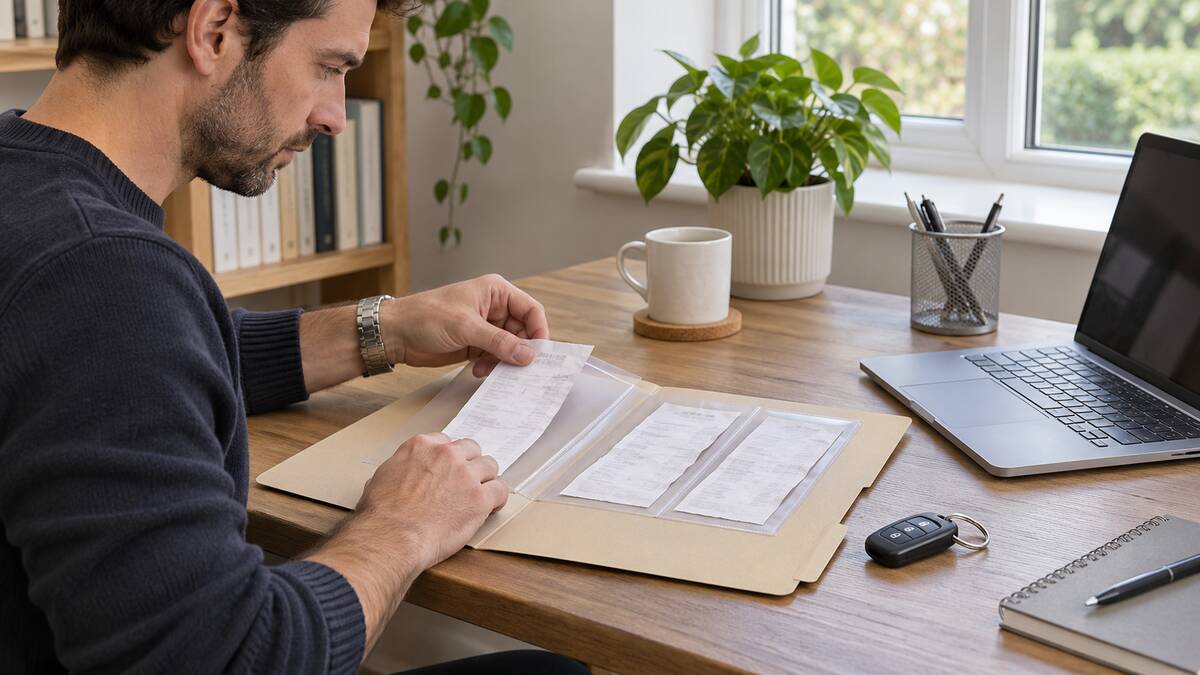
For an existing repair bill, the strongest next step is usually a clear record of what was requested, found, priced, approved and completed. Resolve the vehicle’s safety needs, obtain the missing explanations and compare genuinely equivalent work. That gives you a practical basis for authorising repairs, seeking another opinion or raising a focused complaint.