How Car Brakes Work disc and drum brakes
Estimated reading time: 7 minutes
Brakes are one of the most critical safety systems in any vehicle. Without a properly functioning braking system, a driver cannot control speed, slow down effectively, or stop the vehicle safely. Every time you press the brake pedal, a complex system of mechanical and hydraulic components works together instantly to convert motion into heat and bring the car to a halt. Understanding how car brakes work is not just useful knowledge, it can also help you recognise early warning signs of failure and avoid dangerous situations on the road.
The Basic Principle of Braking
At its core, braking is about converting kinetic energy into heat through friction. When a car is moving, it carries energy. Pressing the brake pedal activates a system that applies friction to the wheels, slowing them down and eventually stopping them.
This process happens within seconds and relies on precision engineering and reliable components working together under pressure.
Key Components of a Car Braking System
The braking system consists of several essential components that work in sequence.
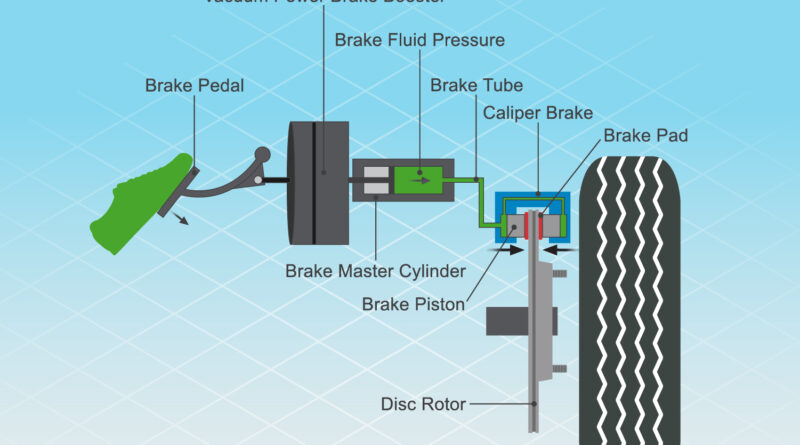
The brake pedal is where the process begins. When the driver presses it, mechanical force is applied.
The master cylinder then converts this force into hydraulic pressure. This pressure is transmitted through brake fluid, which flows through brake lines to each wheel.
Brake fluid is a specially designed liquid that does not compress, allowing pressure to be transferred efficiently from the pedal to the braking components.
Brake lines carry this pressure to either the brake calipers in disc systems or wheel cylinders in drum systems.
Each of these parts must function correctly for the system to work effectively. A failure in any part can significantly reduce braking performance.
How Disc Brakes Work
Disc brakes are the most common type of braking system in modern vehicles, especially on the front wheels.
A brake disc, also known as a rotor, is attached to the wheel hub and spins with the wheel. When you press the brake pedal, hydraulic pressure forces pistons inside the brake caliper to push brake pads against both sides of the spinning disc.
The friction created between the brake pads and the disc slows the rotation of the wheel. As friction increases, the vehicle slows down and eventually stops.
Disc brakes are highly effective because they dissipate heat quickly. This makes them more reliable during repeated or heavy braking, such as driving downhill or at high speeds.
How Drum Brakes Work
Drum brakes are an older design but are still used in many vehicles, typically on the rear wheels.
Instead of a disc, drum brakes use a cylindrical drum that rotates with the wheel. Inside the drum are brake shoes lined with friction material.
When the brake pedal is pressed, hydraulic pressure forces the brake shoes outward against the inner surface of the drum. This creates friction, which slows the wheel.
Drum brakes are generally cheaper to manufacture and can provide strong braking force, but they do not dissipate heat as efficiently as disc brakes. This can lead to reduced performance under heavy use.
Disc vs Drum Brakes: Key Differences
Disc brakes offer better cooling, improved performance, and more consistent braking under demanding conditions. They are easier to maintain and inspect, as the components are more accessible.
Drum brakes, while effective, are more enclosed and can trap heat and debris. They are typically used on rear wheels where less braking force is required.
Most modern vehicles use a combination of both systems, with disc brakes at the front and either disc or drum brakes at the rear.
The Role of the Hydraulic System
The hydraulic system is what allows braking force to be distributed evenly to all wheels. When you press the brake pedal, the master cylinder creates pressure in the brake fluid.
Because brake fluid does not compress, this pressure is transmitted instantly through the brake lines to each wheel. This ensures that all brakes engage at the same time, providing balanced and controlled stopping power.
Maintaining proper brake fluid levels and condition is essential. Contaminated or low brake fluid can reduce braking efficiency and lead to dangerous situations.
Anti-lock Braking System (ABS)
Modern vehicles are equipped with an Anti-lock Braking System, commonly known as ABS. This system prevents the wheels from locking up during hard braking.
ABS uses sensors to monitor the speed of each wheel. If it detects that a wheel is about to lock, it rapidly adjusts the brake pressure to maintain traction.
This allows the driver to retain steering control while braking, especially on slippery surfaces such as wet or icy roads. ABS has become a standard safety feature in modern vehicles.
Regenerative Braking in Electric Vehicles
Electric and hybrid vehicles use an additional system known as regenerative braking. Instead of relying solely on friction, the electric motor acts as a generator when slowing down.
This process converts kinetic energy into electrical energy, which is stored in the battery. It improves efficiency and reduces wear on traditional brake components.
While regenerative braking reduces reliance on disc or drum brakes, conventional braking systems are still used for emergency stops and additional stopping power.
Common Signs of Brake Problems
Brakes are subject to wear and tear, so regular maintenance is essential. There are several warning signs that indicate potential issues.
Squealing or grinding noises may suggest worn brake pads. Vibrations when braking can indicate warped discs. A soft or spongy brake pedal may point to air in the system or fluid issues.
Reduced braking performance or longer stopping distances should never be ignored, as they can pose serious safety risks.
Why Regular Brake Inspection Is Essential
Regular inspection of your braking system is crucial for safety. Components such as brake pads, discs, drums, and fluid should be checked periodically.
If you are buying a used car, brake condition is one of the most important areas to assess. Many issues are not immediately visible during a short test drive. This is why arranging a professional vehicle inspection is highly recommended.
A service such as Car Examer can carry out a detailed brake system check, identifying wear, hidden faults, or safety concerns before you commit to a purchase.
Brake Maintenance Tips
Keeping your brakes in good condition does not require complex knowledge, but it does require consistency.
Brake pads should be replaced when worn, typically every 20,000 to 50,000 miles depending on driving style. Brake discs and drums should also be inspected for wear or damage.
Brake fluid should be replaced according to the manufacturer’s schedule, as it can absorb moisture over time and reduce performance.
Driving habits also play a role. Smooth braking and avoiding harsh stops can extend the life of your braking components.
Final Thoughts
Understanding how car brakes work gives you a clearer picture of how your vehicle maintains safety on the road. From disc and drum systems to advanced technologies like ABS and regenerative braking, each component plays a vital role in ensuring controlled and reliable stopping.
Regular maintenance and early detection of issues are essential to keeping your braking system in optimal condition. Whether you are maintaining your current car or considering a used vehicle purchase, paying close attention to the brakes can help you avoid costly repairs and ensure safe driving at all times.
FAQs
1. What is the difference between disc and drum brakes?
Disc brakes use pads and rotors to create friction, while drum brakes use shoes pressing against a drum. Disc brakes perform better under heavy use.
2. How often should brake pads be replaced?
Brake pads typically need replacing every 20,000 to 50,000 miles, depending on driving style and conditions.
3. What does ABS do in a car?
ABS prevents wheels from locking during hard braking, helping maintain steering control and stability.
4. Why is my car making noise when braking?
Squealing or grinding noises usually indicate worn brake pads or damaged components.
5. Do electric cars use traditional brakes?
Yes, electric cars use traditional braking systems alongside regenerative braking for safety and efficiency.